Fiorentina Secures €20M+ Arthur Atta Deal: Football Transfer Inflation Mirrors Crypto Volatility

Fiorentina has reached a massive agreement to sign Arthur Atta from Udinese for a fee exceeding €20 million. This high-stakes acquisition highlights a growing trend where football transfer fees are skyrocketing, mirroring the intense liquidity and rapid price shifts seen in the crypto market.
This surge in football's transfer inflation serves as a cautionary tale regarding economic volatility. Much like the crypto market, the football industry is seeing a decoupling of asset value from traditional metrics, driven by speculative demand and massive capital inflows that could lead to significant market corrections.
Fiorentina has agreed to sign Arthur Atta from Udinese in a deal worth over €20 million. This significant expenditure underscores a broader economic shift, as rising transfer fees in professional football begin to mirror the volatile dynamics of the cryptocurrency market.
The connection lies in the unprecedented inflation of asset values. Just as crypto assets experience rapid cycles of boom and bust, the football transfer market is seeing prices driven by speculative momentum, raising questions about long-term sustainability and the potential for market-wide volatility.
This is a summarized and adapted version by Artificial Intelligence. To read the complete original story, visit the official source.
Read Full Article at Crypto BriefingSupport Jornal Bitcoin
Independent journalism, curated by AI, no clickbait. Keep the flame alive with any amount of BTC.
jonata@walletofsatoshi.comDaily Crypto Brief 📬
Subscribe to receive the curation of the most important Bitcoin and crypto news, summarized by AI. No spam.
Join more than 10,000 smart readers.
Related News

Peter Schiff Warns: Bitcoiners in Denial Over MicroStrategy's BTC Sale
This development highlights growing concerns over Bitcoin's long-term support levels and the potential for institutional shifts to trigger volatility. As market psychology plays a pivotal role in price action, Schiff's critique suggests that ignoring these strategic liquidations could lead to a massive miscalculation of market stability.

Coinbase Boosts Filecoin: New Margin Trading Adds Leverage to Storage Token Market
By integrating margin trading for Filecoin, Coinbase is doing more than just adding a feature; it is expanding the market depth and volatility potential for the asset. This development highlights the growing institutional interest in decentralized storage solutions and provides advanced tools for sophisticated market participants.

World Cup Fever: Crypto Prediction Markets Take Over France vs Morocco Quarterfinal
As these prediction markets gain mainstream traction, they are bridging the gap between traditional sports fandom and the crypto ecosystem. The impact of this trend suggests a future where decentralized finance (DeFi) and major sporting events are inextricably linked, offering unprecedented transparency and new ways to participate in global competition.

Bitcoin Holds Strong Above $60,000 as US-Iran Tensions Fuel Global Inflation Fears
The geopolitical instability is reigniting global inflation concerns, as rising oil prices threaten to destabilize the macro economy. For crypto enthusiasts, Bitcoin's ability to maintain these support levels highlights its role as a potential hedge during periods of heightened geopolitical risk and renewed inflationary volatility.
Institutional Demand Rebounds: BlackRock Drives Surge in Bitcoin ETF Inflows
This resurgence follows a period of intense supply-side anxiety triggered by government wallet liquidations and legacy distributions. As BlackRock helps rebuild institutional confidence, the shift from supply pressure to consistent ETF inflows marks a critical turning point for Bitcoin's long-term price stability and adoption.
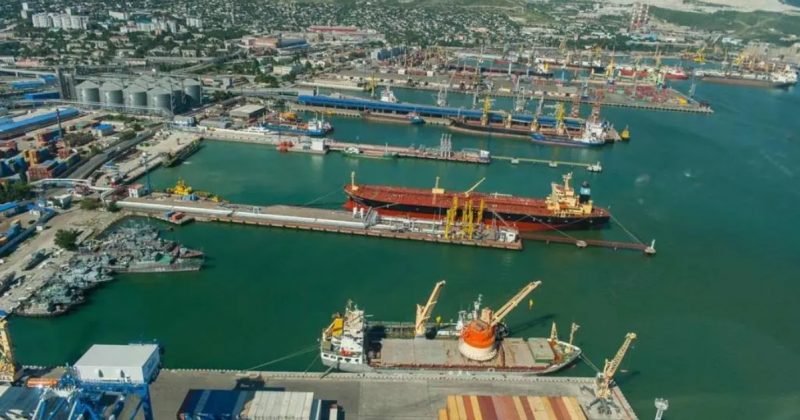
US Strike Destroys Chabahar Port Control Tower, Crippling Iran’s Maritime Operations
Beyond the immediate destruction, the strike complicates India's strategic connectivity goals and further escalates the ongoing US-Iran tensions. As maritime security becomes increasingly volatile, the fallout from this attack could reshape trade routes and influence global market sentiment regarding geopolitical risk.
