Financial Distress Alert: Kansas Ranks Worst in US Economic Strain While Maine Leads in Stability

A new WalletHub report has identified Kansas as the state facing the highest levels of financial distress in the United States. Driven by alarming credit metrics and rising bankruptcy trends, the data highlights a significant economic struggle within the state that demands attention from market analysts.
In stark contrast, Maine residents are experiencing the least amount of economic strain, showcasing a regional divide between the struggling Southern states and the more stable New England area. Understanding these bankruptcy trends and credit metrics is vital for assessing the broader economic health and capital flow across the nation.
The data reveals a geographic pattern where Southern states cluster near the top of the distress rankings, while the New England region remains at the bottom. This divergence underscores the growing economic disparity and the varying levels of financial resilience across different American regions.
This is a summarized and adapted version by Artificial Intelligence. To read the complete original story, visit the official source.
Read Full Article at The Daily HodlSupport Jornal Bitcoin
Independent journalism, curated by AI, no clickbait. Keep the flame alive with any amount of BTC.
jonata@walletofsatoshi.comDaily Crypto Brief 📬
Subscribe to receive the curation of the most important Bitcoin and crypto news, summarized by AI. No spam.
Join more than 10,000 smart readers.
Related News
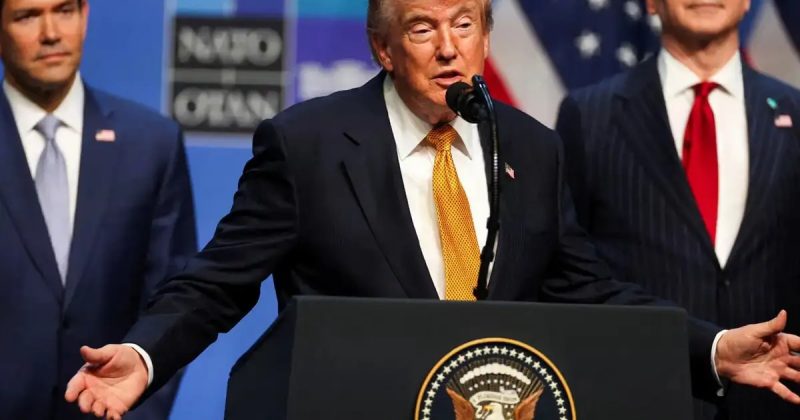
Strategic Pivot: Trump Scraps Hormuz Toll Plan to Court Gulf Investment for U.S. Economy
This policy shift is expected to enhance U.S.-Gulf economic ties, potentially reducing long-standing regional tensions. By prioritizing capital inflow over transit fees, Trump's approach could significantly influence global market dynamics and reshape the economic landscape of the Middle East and the West.

China Seizes Control of Zhongbang Bank Amid Surging Private Lending Risks
This takeover of Zhongbang Bank is expected to reshape the future of fintech oversight and private banking regulations. As authorities tighten their grip, the industry faces a new era of scrutiny aimed at mitigating the systemic dangers posed by unregulated digital lending practices.

US Job Growth Misses Expectations: Fed Rate Hike Odds Vanish as Economy Slows
As the odds of further rate hikes evaporate, the focus shifts toward potential rate cuts to prevent a deeper recession. This shift in monetary policy is being closely watched by crypto enthusiasts, as lower interest rates typically increase liquidity and can provide a massive boost to cryptocurrency values.

Strategic Pivot: $1B Buyback Program Announced to Bolster Digital Credit Securities
By focusing on stabilizing financial metrics, the company aims to navigate market volatility with increased resilience. This large-scale buyback of digital credit securities demonstrates a commitment to long-term solvency and provides a much-needed buffer against the unpredictable swings of the broader crypto economy.

US Mortgage Crisis: Payments Surge 40% in 5 Years, Fueling Real Estate Tokenization
This surge in mortgage costs is expected to drive massive innovation in real estate investment strategies. As traditional financing becomes more burdensome, the market is poised to reshape itself through asset tokenization, leveraging blockchain technology to create more accessible and liquid investment opportunities.
US Economy Grows 2.1% in Q1, Yet Crypto Markets Barely Flinch: A New Era of Decoupling?
As the US economy continues to evolve, the crypto market's indifference to GDP figures highlights a fundamental change in market dynamics. This trend indicates that investors may be prioritizing internal crypto liquidity and blockchain-specific drivers over conventional economic indicators like GDP growth.
