Cash is Not Dead: ECB President Clarifies the Future of the Digital Euro

European Central Bank President Christine Lagarde has addressed growing concerns by stating that the digital euro is not intended to replace physical cash. Instead, the central bank views the digital currency as a strategic complement designed to enhance the existing monetary framework without eliminating traditional payment methods.
As the project moves into its next phase, the ECB is set to announce the winners of its digital currency tenders in October 2025. With a potential budget reaching €1.2 billion, this massive investment underscores Europe's commitment to integrating advanced financial technology while maintaining the stability of its sovereign currency.
Christine Lagarde, President of the European Central Bank (ECB), has affirmed that the digital euro is being created as a complement to cash, rather than a replacement. This distinction is crucial as the central bank navigates the transition toward a more digitized global economy.
The implementation process is gaining momentum, with the ECB scheduled to announce the winners of its digital currency tenders in October 2025. The total investment for this initiative could reach a ceiling of €1.2 billion, marking a significant milestone in the evolution of the Eurozone's financial infrastructure.
This is a summarized and adapted version by Artificial Intelligence. To read the complete original story, visit the official source.
Read Full Article at LivecoinsSupport Jornal Bitcoin
Independent journalism, curated by AI, no clickbait. Keep the flame alive with any amount of BTC.
jonata@walletofsatoshi.comDaily Crypto Brief 📬
Subscribe to receive the curation of the most important Bitcoin and crypto news, summarized by AI. No spam.
Join more than 10,000 smart readers.
Related News
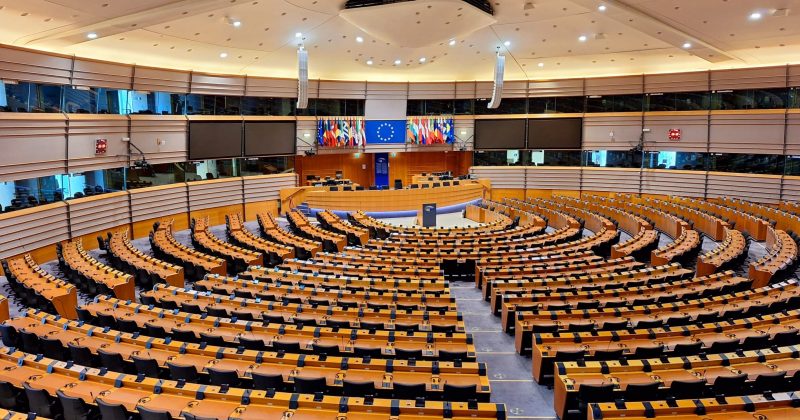
Digital Euro Fast-Tracked: European Parliament Approves Negotiations as Right-Wing Bloc Fails to Block Vote
This legislative momentum is expected to reshape existing financial systems and pose a significant challenge to the market share of private stablecoins. By establishing a state-backed digital alternative, the European Union is positioning itself to redefine monetary sovereignty and the future of digital payments in a highly competitive global landscape.

Euro Crisis: ECB Technical Glitch Freezes Trillions in Settlements
The incident underscores significant vulnerabilities inherent in financial infrastructure upgrades, which could lead to long-term impacts on liquidity and transaction efficiency in euro markets. As central banks modernize, this failure highlights the systemic risks posed by technical bottlenecks in critical settlement systems.
ECB Finds Stability: June Rate Hike and Cooling Oil Prices Tame Inflation Fears
However, investors should remain cautious as the ECB maintains a strictly data-dependent stance regarding future monetary policy. The ability to sustain this stability will depend heavily on upcoming economic indicators and the continued downward trend in energy costs.

The UK Digital Pound War: A Battle for Crypto's Political Influence
As payment rules remain undecided, the fight intensifies over who will ultimately control access to the digital economy. This tension highlights a broader struggle between centralized state authority and the decentralized ethos of the crypto movement.
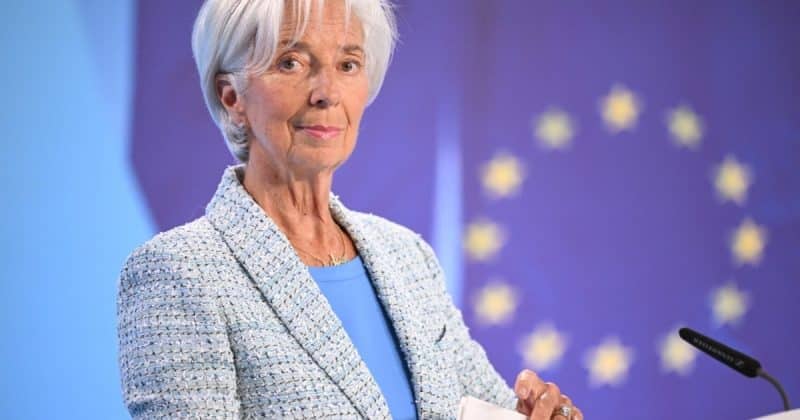
End of an Era? Christine Lagarde Weighs Early ECB Exit Amid Political Ambitions
Lagarde's exit could fundamentally reshape Europe's digital currency strategy, specifically impacting the framework for stablecoin regulation and the broader monetary autonomy of the eurozone. As the transition looms, stakeholders are bracing for shifts in how digital assets and traditional monetary policies intersect within the European market.

Eurozone Stagnation Defies Expectations: Will the ECB Pivot to Crypto-Friendly Rate Cuts?
Such a pivot toward lower interest rates could provide a significant boost to riskier investment classes, most notably the crypto market. As investors seek higher yields outside of traditional stagnant sectors, the intersection of evolving regulatory landscapes and shifting ECB policies could define the next major trend for digital assets.
