BitMEX Shuts Down: Why This Isn't an FTX-Style Crisis, But a Warning Sign
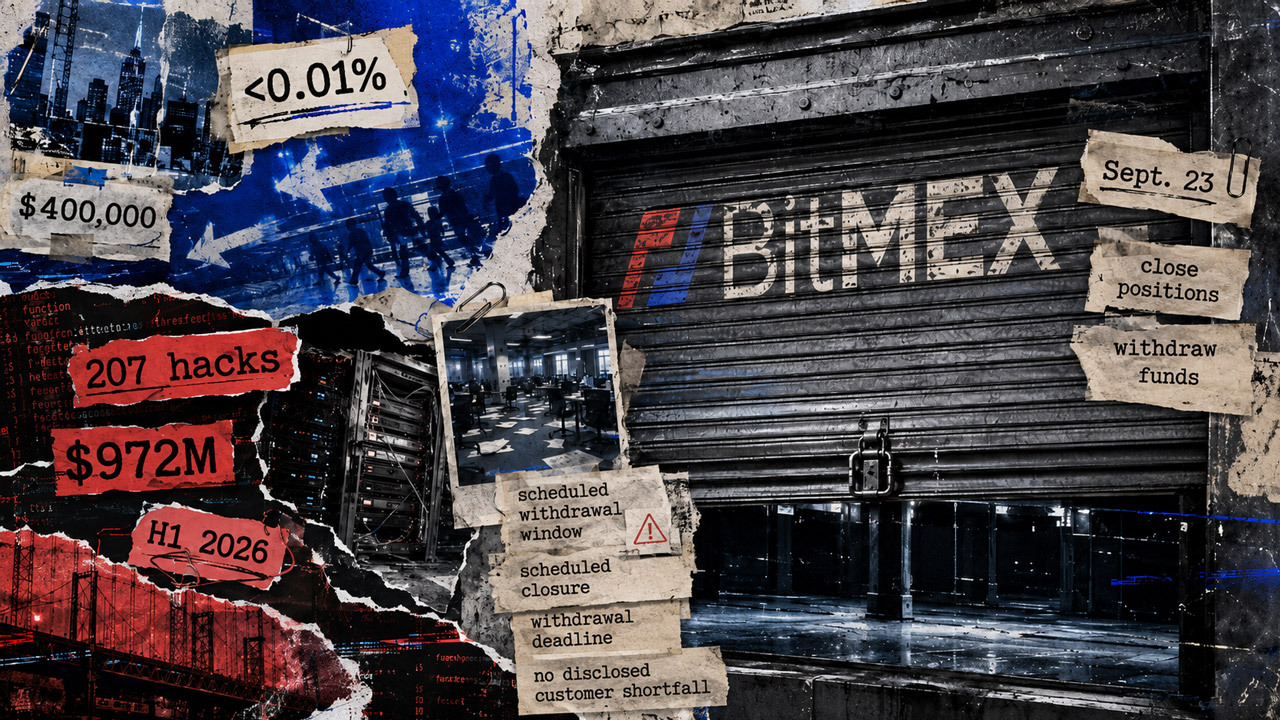
BitMEX has officially announced it will cease operations on September 23, marking the end of an era for one of crypto's original giants. Crucially, this shutdown lacks the hallmarks of an FTX-style collapse, as there are no reports of balance-sheet holes, frozen withdrawals, or sudden bankruptcy filings.
As BitMEX's market share has dwindled to below 0.01% with daily trading volumes hovering around $400,000, the narrative has shifted. The real danger in the crypto industry is no longer just sudden insolvency, but the rapid loss of relevance and liquidity as users migrate toward more dominant, high-volume platforms.
BitMEX has completed a comprehensive review of its business and will shut down on September 23, advising all customers to close their positions and withdraw funds immediately. Unlike the catastrophic failure of FTX, this exit is orderly, with no evidence of a liquidity crisis or insolvency issues.
According to Kaiko data, BitMEX's market share has plummeted to less than 0.01%, with daily trading volumes nearing just $400,000. This quiet exit reveals a shift in the crypto landscape: the primary risk has moved from sudden platform collapses to the structural obsolescence of legacy exchanges that can no longer compete for market dominance.
This is a summarized and adapted version by Artificial Intelligence. To read the complete original story, visit the official source.
Read Full Article at CryptoSlateSupport Jornal Bitcoin
Independent journalism, curated by AI, no clickbait. Keep the flame alive with any amount of BTC.
jonata@walletofsatoshi.comDaily Crypto Brief 📬
Subscribe to receive the curation of the most important Bitcoin and crypto news, summarized by AI. No spam.
Join more than 10,000 smart readers.
Related News

Bank Imposter Scam: Pennsylvania Senior Loses $44,000 in Irreversible Wire Transfer
This incident underscores the growing threat of banking impersonation scams and the extreme difficulty of recovering stolen funds once a wire transfer is completed. As financial criminals become more adept at psychological manipulation, maintaining high levels of vigilance regarding account security and transaction verification is paramount for all users.

Market Alert: Mixed Cardano (ADA) Signals and Critical Bitcoin (BTC) Price Warning
As traders closely monitor Bitcoin volatility, the technical outlook suggests that Ethereum (ETH) and the Cardano ecosystem are also at a decisive crossroads. Staying ahead of these indicators is vital for managing risk and understanding the broader impact of current price action on the global crypto landscape.

EU Escalates Crypto War: Massive 21st Sanctions Package Targets $120B Russian Crypto Network
In a groundbreaking move, the EU is considering a ban on third-country crypto service providers for the first time. By targeting 14 unnamed crypto companies, European regulators are setting a high-stakes precedent for how global crypto networks will be policed in the face of geopolitical conflict.

Is the Memecoin Era Dead? How Institutional Influx is Reshaping Crypto
This institutionalization of digital assets brings a new level of stability and scrutiny to the ecosystem. As major financial players dictate liquidity flows, the chaotic volatility that once fueled the memecoin craze is being replaced by a more structured, professionalized, and fundamental-driven market environment.

Sui’s Hashi Testnet Goes Live: A Direct Strike at Bitcoin’s $1.4 Trillion Market
By targeting a slice of Bitcoin’s massive $1.4 trillion market, Hashi aims to solve the inherent security risks associated with traditional crypto bridges. This development signals a major shift in how Bitcoin liquidity interacts with DeFi, positioning Sui as a primary hub for Bitcoin-backed financial services.
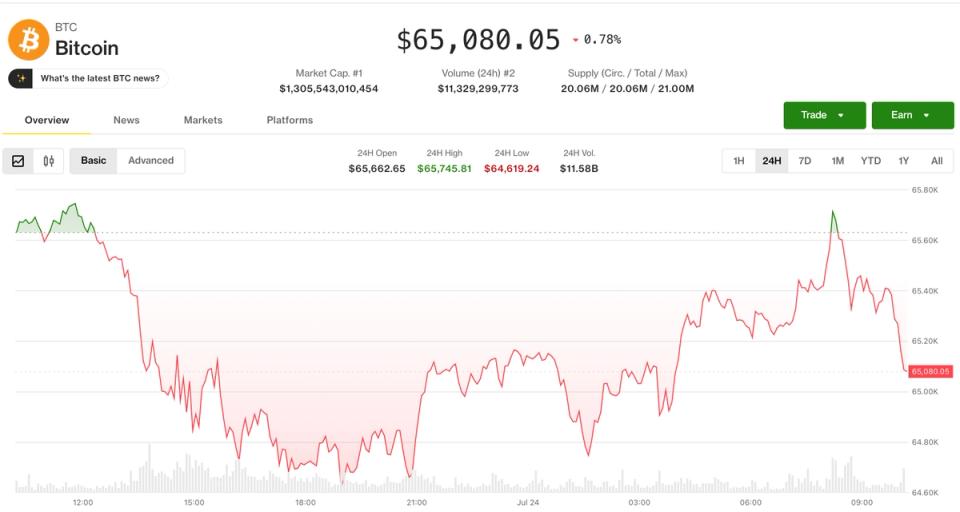
Bitcoin Holds Steady Near $65,000 as Surging Oil Prices Fail to Trigger Crypto Sell-off
This divergence highlights a growing trend where Bitcoin acts independently of traditional energy-driven market shocks. As oil prices hit their highest levels since May, the crypto sector is capitalizing on muted traditional markets, reinforcing its position as a distinct asset class capable of weathering geopolitical tension.
