FIFA World Cup 2026: The Massive Crypto Deals Set to Transform Global Sports

The FIFA World Cup 2026 is positioning itself as a primary catalyst for mainstream crypto adoption. As fans look forward to the tournament's venues and semifinal dates, the real story lies in the massive crypto deals being brokered to integrate digital assets into the world's largest sporting event.
This strategic integration is expected to reshape traditional sports sponsorship norms and shift crypto market dynamics significantly. By merging global football passion with blockchain technology, the tournament aims to bridge the gap between mainstream audiences and the decentralized economy.
The FIFA World Cup 2026 is shaping up to be more than just a football tournament; it is becoming a massive stage for the digital asset revolution. While the world tracks the dates and venues for the semifinals, industry insiders are closely monitoring the high-stakes crypto deals riding on the tournament's success.
The integration of crypto in FIFA 2026 could accelerate mainstream adoption, fundamentally impacting both sports sponsorship norms and crypto market dynamics. This convergence marks a new era where global sports-scale engagement meets the rapid evolution of the blockchain ecosystem.
This is a summarized and adapted version by Artificial Intelligence. To read the complete original story, visit the official source.
Read Full Article at Crypto BriefingSupport Jornal Bitcoin
Independent journalism, curated by AI, no clickbait. Keep the flame alive with any amount of BTC.
jonata@walletofsatoshi.comDaily Crypto Brief 📬
Subscribe to receive the curation of the most important Bitcoin and crypto news, summarized by AI. No spam.
Join more than 10,000 smart readers.
Related News
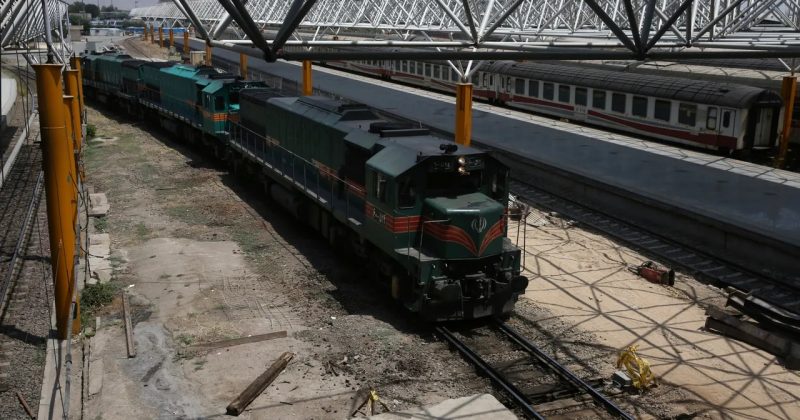
US Strike on Iranian Bridge: Global Trade Corridors and Crypto Risk Sentiment Under Pressure
Beyond the immediate physical damage, the disruption of vital logistics corridors threatens to ripple through global economies. For the crypto market, such geopolitical friction often triggers a shift in capital flows, potentially driving investors toward safe havens or causing sudden liquidity shifts in major digital assets.

Japan's Producer Prices Surge: Why Crypto Traders Should Brace for Volatility
The core risk involves the potential unwinding of the yen carry trade, a mechanism that could trigger massive volatility across global crypto markets. As interest rate hikes become a more tangible threat, the resulting capital shifts could lead to sudden liquidity crunches and sharp price fluctuations in the digital asset space.
Morocco's $31.5M World Cup Windfall: The New Frontier of Football Tokenization
This trend points toward a significant shift in the sports economy, specifically regarding player allegiance and the strategic deployment of blockchain technology. As football tokenization gains momentum, the way global tournaments generate and distribute value is set for a radical digital transformation.

Meme Token Frenzy: France's World Cup Success Ignites Crypto Speculation Around Mbappé and Dembélé
As fans flock to capitalize on on-field victories, the intersection of sports culture and crypto-speculation is becoming increasingly pronounced. This trend is reshaping fan engagement, turning athletic milestones into high-stakes opportunities within the volatile meme coin ecosystem.
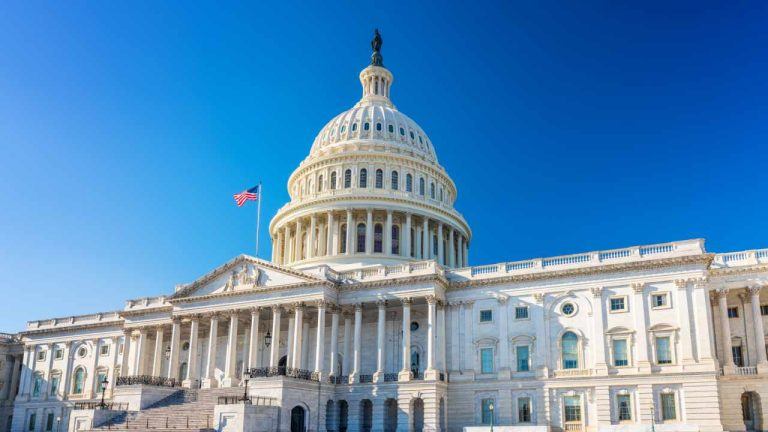
Code is Not a Crime: US Senator Fights to Protect Crypto Developers in New Bill
The outcome of this legislative battle over the CLARITY Act will significantly impact the future of decentralized finance and blockchain innovation. Ensuring that developers remain shielded from legal liability is critical to preventing a regulatory crackdown that could stifle the very technology driving the digital asset revolution.
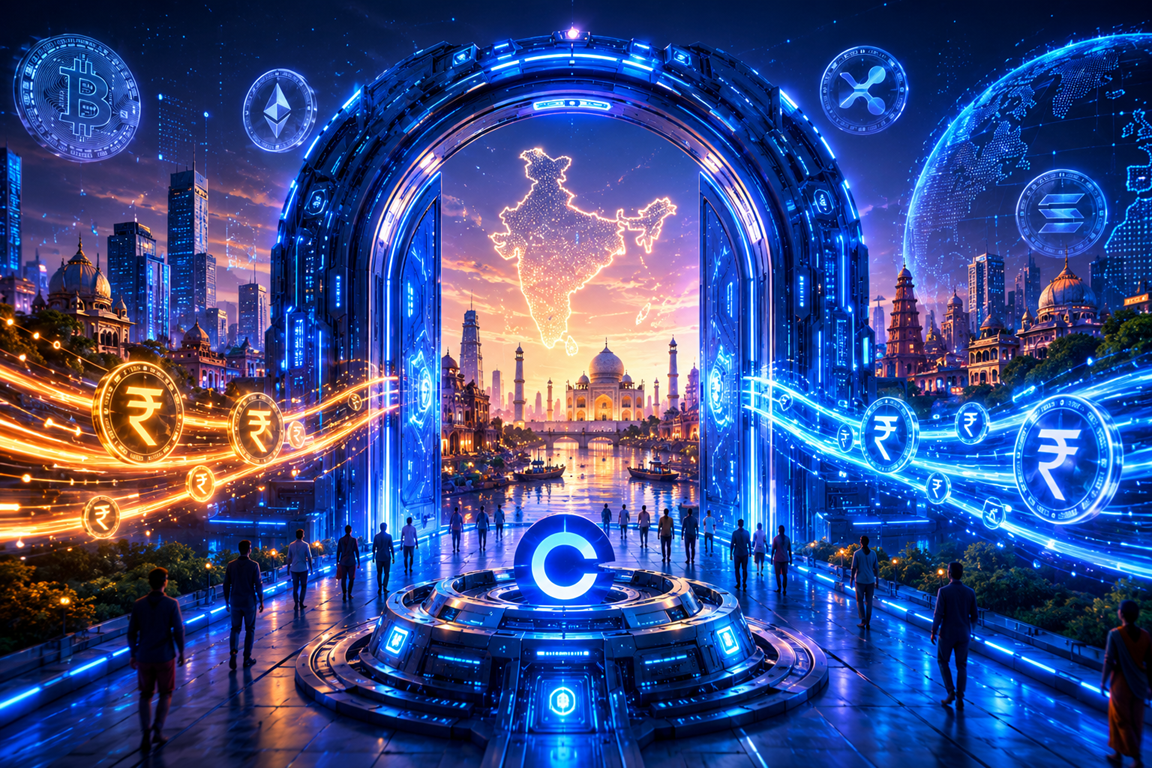
Beyond Wallets: How Coinbase is Using Smart Wallets to Dominate Base Distribution
This strategic shift highlights how seamless onboarding can drive massive network effects for the Base ecosystem. As the company prioritizes intuitive design over technical complexity, it positions itself to capture the next wave of users, turning the Base network into a dominant force in the decentralized landscape.
