FIFA's $20 Billion Privatization Plan Threatens 2030 World Cup as UEFA Launches Indefinite Boycott
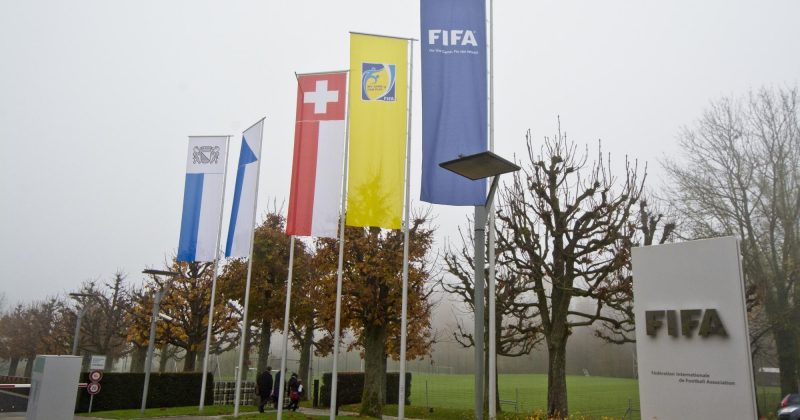
FIFA has unveiled a massive $20 billion privatization plan that directly threatens the 2030 World Cup, prompting UEFA to launch an indefinite boycott in an unprecedented standoff between football's governance integrity and private investment's financial allure. This power struggle represents a critical juncture for the world's most popular sport, with potentially profound consequences for global football governance. The privatization initiative, seeking to capitalize on the sport's growing commercialization, faces resistance from entities fearing loss of control over FIFA's cultural and sporting heritage. UEFA's boycott could trigger a domino effect among other confederations, threatening not only the 2030 tournament but the very future of the organization.
This is a summarized and adapted version by Artificial Intelligence. To read the complete original story, visit the official source.
Read Full Article at Crypto BriefingSupport Jornal Bitcoin
Independent journalism, curated by AI, no clickbait. Keep the flame alive with any amount of BTC.
jonata@walletofsatoshi.comDaily Crypto Brief 📬
Subscribe to receive the curation of the most important Bitcoin and crypto news, summarized by AI. No spam.
Join more than 10,000 smart readers.
Related News

Liverpool Rejects Inter Milan's €25M Bid for Curtis Jones, Demands Higher Fee
This refusal highlights Liverpool's broader financial strategy to maximize gains in the transfer market. By holding out for a higher fee, the club aims to turn the Curtis Jones situation into a major financial win, showcasing their ability to navigate high-stakes negotiations with Europe's elite clubs.

RedStone Unlocks $30 Billion in Idle Tokenized Assets for DeFi with New Settlement Layer
Bitcoin Crashes to 2-Week Low as Fed and BoJ Stand Pat on Rates
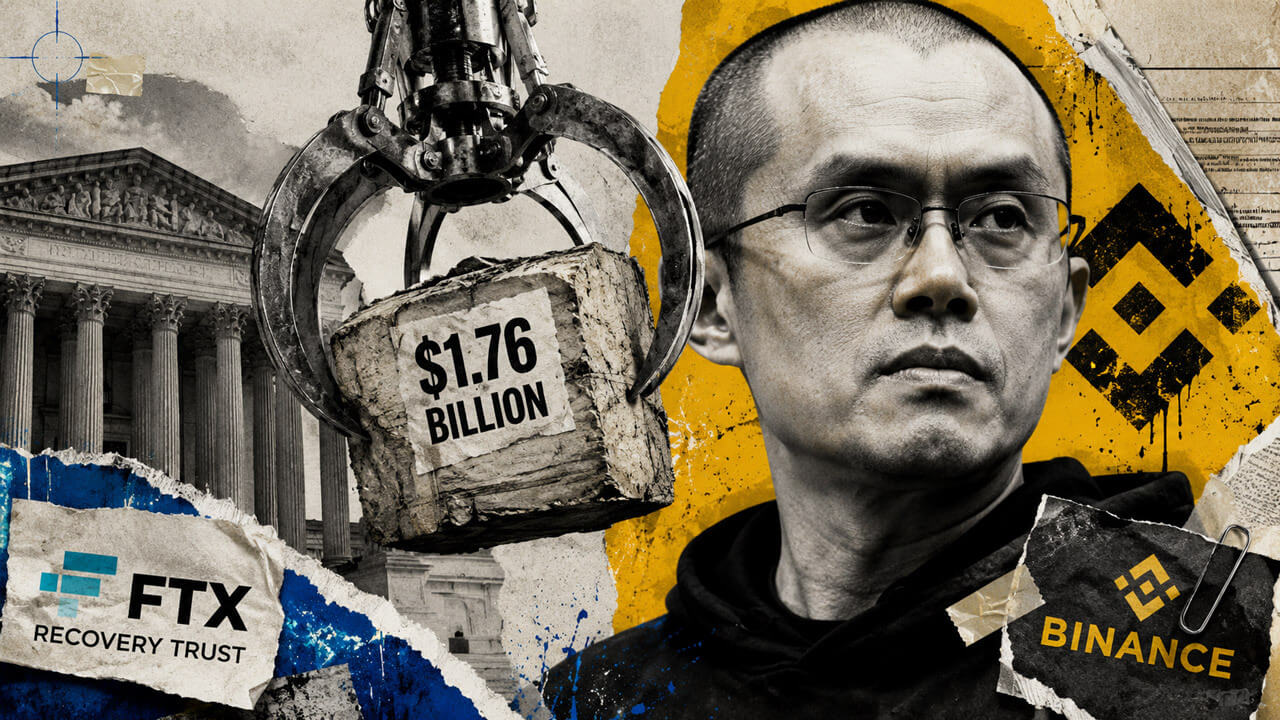
Judge OKs FTX to Chase Binance for $1.76 Billion Over 2021 Share Buyback

Coldcard Security Flaw Exposes Critical Risk to Bitcoin Wallets
This issue emerges at a pivotal moment for Bitcoin adoption as more users store significant amounts in hardware wallets. Coldcard, regarded as one of the most secure wallets on the market, now faces intensified scrutiny over its security procedures. The incident serves as a vital reminder for the Bitcoin community about the importance of independent verification and additional protection layers for digital assets.