FIFA Kills $4.2B Private Equity Deal After UEFA Boycott Threat, Raising Questions About Sports Finance Future
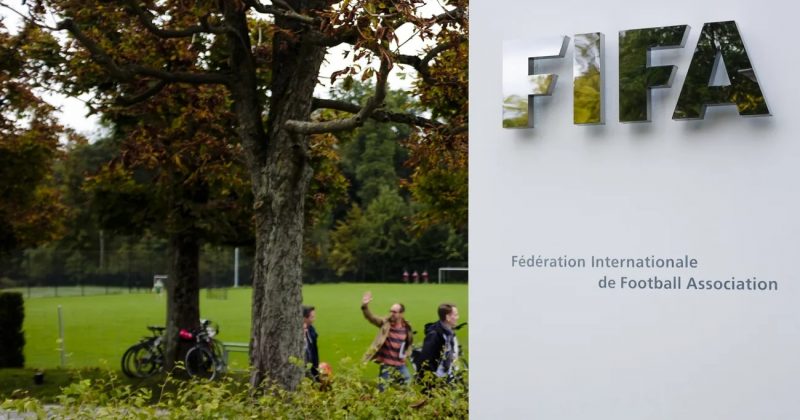
FIFA has abruptly terminated a $4.2 billion private equity investment deal following direct threats of boycott from UEFA. This historic decision exposes growing tensions between traditional sports governance and external capital injection, raising fundamental questions about the future direction of sports financing worldwide.
The cancellation of what would have been one of the largest capital injections in sports history comes at a critical juncture for financial transformation within sporting organizations. FIFA's reaction demonstrates fear of losing autonomy to external investors, while the industry faces increasing pressure for financial modernization. This incident could set precedents for how other sporting entities will navigate private investment proposals in the coming years, balancing tradition with financial innovation.
This is a summarized and adapted version by Artificial Intelligence. To read the complete original story, visit the official source.
Read Full Article at Crypto BriefingSupport Jornal Bitcoin
Independent journalism, curated by AI, no clickbait. Keep the flame alive with any amount of BTC.
jonata@walletofsatoshi.comDaily Crypto Brief 📬
Subscribe to receive the curation of the most important Bitcoin and crypto news, summarized by AI. No spam.
Join more than 10,000 smart readers.
Related News
Palacios Transfer Could Send Fan Tokens Soaring Amid Leipzig and Ipswich Interest
This case exemplifies how high-profile player transfers are becoming events with financial implications beyond the pitch, influencing crypto asset markets and sports betting. The possible move by Palacios represents an opportunity for investors and fans to closely monitor, as the value of tokens associated with the involved clubs could fluctuate significantly with the official announcement of the transfer.
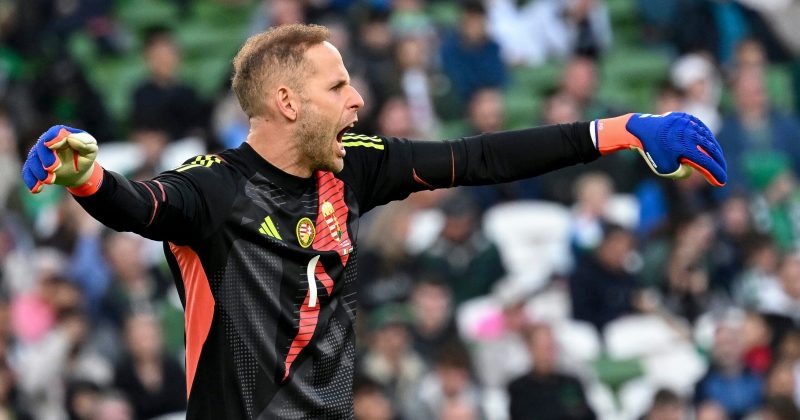
Villarreal signs goalkeeper Peter Gulacsi from RB Leipzig for €2M
The football transfer market is testing new valuation strategies, with clubs increasingly focused on investing in players with long-term growth potential. The acquisition of Gulacsi for a relatively modest fee may indicate a shift in how clubs value players, especially as the sport seeks to optimize its business models and maximize return on investment, a concern that also permeates the world of cryptocurrencies and digital assets.

Socios.com Proposes Global Fan Investment in FIFA's $4.2 Billion Fund
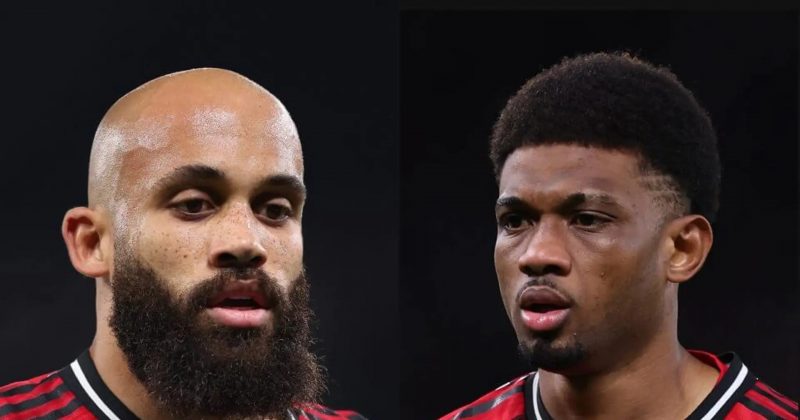
Manchester United's Mbeumo Goal Exposes Massive Fan Token Market Failure
This disparity in fan token engagement reveals that community strategy and real utility are decisive factors for success in the crypto sports market. While major football clubs continue to launch fan tokens, many fail to create ecosystems that incentivize sustained participation from holders, resulting in volatility and limited adoption. Manchester United's situation serves as an important case study for other sports organizations looking to enter the crypto space.
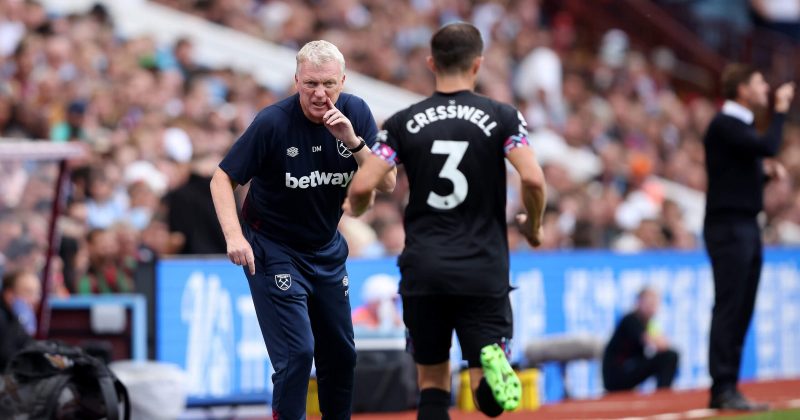
Toulouse Turns €4.5M Investment into €28M Windfall as Cresswell Heads to Rennes
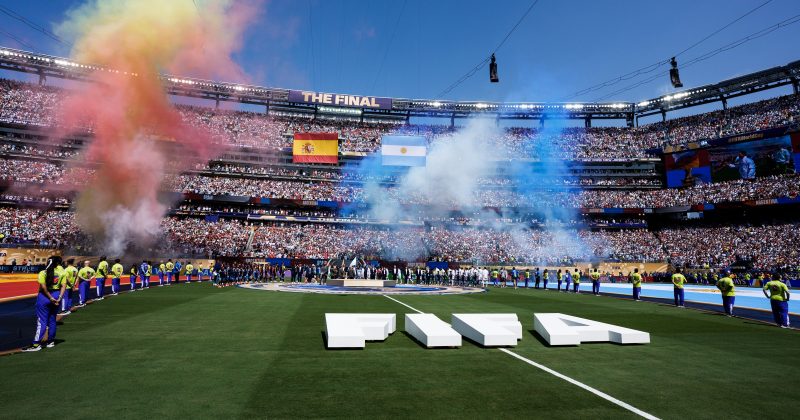
FIFA's World Cup Crypto Ticket Plan Sparks Backlash: Will Fans Be Priced Out?
The introduction of blockchain-based ticketing represents a fundamental shift in how major sporting events monetize their offerings, with FIFA targeting unprecedented revenue streams. However, critics warn that the crypto integration could create financial barriers for supporters and expose organizers to unpredictable market risks. As this technological transformation unfolds silently in the background, questions arise about the accessibility and inclusivity of the World Cup experience in an increasingly digital financial landscape.
