The Warsh Effect: Why the Fed's Next Move is About Communication, Not Rates
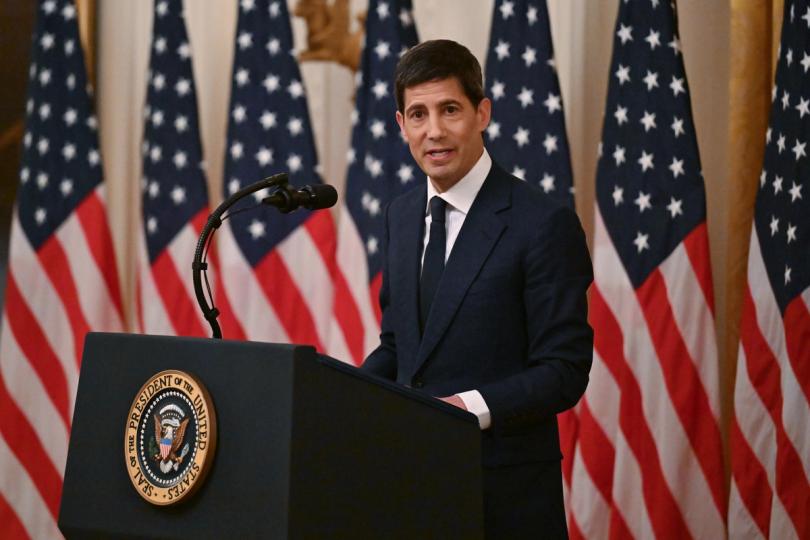
All eyes are on Kevin Warsh as he prepares for his inaugural Federal Reserve meeting. While monetary policy is expected to hold steady, the market intelligence suggests the real story lies in a potential overhaul of how the U.S. central bank communicates its intentions.
This shift in communication strategy could fundamentally alter market sentiment and investor expectations. By reshaping the Fed's narrative, Warsh may influence global liquidity and asset volatility without moving a single interest rate point.
While monetary policy is expected to remain unchanged, markets are focused on whether the new chair begins reshaping how the U.S. central bank communicates. Kevin Warsh's first Fed meeting could be more about the strategic tone and messaging than about actual interest rate adjustments.
This is a summarized and adapted version by Artificial Intelligence. To read the complete original story, visit the official source.
Read Full Article at CoinDeskSupport Jornal Bitcoin
Independent journalism, curated by AI, no clickbait. Keep the flame alive with any amount of BTC.
jonata@walletofsatoshi.comDaily Crypto Brief 📬
Subscribe to receive the curation of the most important Bitcoin and crypto news, summarized by AI. No spam.
Join more than 10,000 smart readers.
Related News

Russia Halts Bond Auctions: OFZ Sales Collapse Amid Central Bank Policy Shift Fears
The fallout from this suspension extends far beyond Russia's borders, posing significant risks to emerging markets. As liquidity tightens, global investors are reassessing risk premiums, fearing that a shift in Russian monetary policy could trigger broader volatility across developing economies.

Tech Exodus: Hedge Funds Slash US Tech Holdings at Fastest Pace in a Decade
The rapid liquidation of IT stocks indicates a strategic pivot away from high-growth tech valuations. As hedge funds reduce their tech holdings, the resulting liquidity shift could trigger broader market volatility and influence risk appetite in highly correlated sectors, including the digital asset space.

Massive Inflow: Foreign Investors Flood US Stock Market with $121 Billion in a Single Month
Data reveals that foreign private sector net purchases reached $35.2 billion in May alone, marking the second-largest monthly inflow on record. With year-to-date totals skyrocketing to $270 billion, this aggressive capital movement highlights a significant trend in global wealth reallocation toward US-based assets.
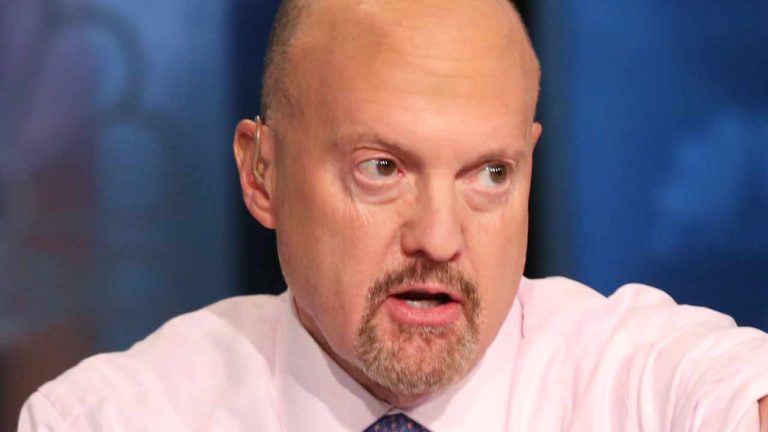
Jim Cramer Labels Market 'Miserable' as Oil, Tariffs, and Fed Hawkishness Hit Wall Street
This macroeconomic trifecta is forcing investors to brace for volatility as the Fed's monetary policy continues to rattle stability. Cramer's repeated use of such dire language underscores a growing consensus that the current economic landscape is fraught with unpredictable risks and shifting trade dynamics.

China's Gold Buying Spree: A Massive Signal for a Price Rebound and Dollar Diversification
Market analysts are eyeing a bullish trajectory, with some projections suggesting gold could hit $4,500 by July 2026. This shift in global reserve strategies highlights the growing importance of gold as a primary hedge in an era of shifting geopolitical and monetary power.

Legal Blow: Washington Judge Rejects Kalshi’s Federal Defense, Grants State Injunction
This ruling intensifies the ongoing debate regarding regulatory fragmentation and the legal standing of prediction markets. While a final decision on the restrictions is not expected until August, the case highlights the growing tension between federal registration and state-level oversight in the evolving digital asset landscape.
