Crypto Lobby Power: Fairshake Fuels Adrian Boafo’s $6M Maryland Primary Victory

Adrian Boafo’s decisive win in the Maryland primary, backed by a massive $6 million surge, underscores a massive shift in political dynamics. The strategic involvement of Fairshake proves that crypto lobbying has evolved into a powerhouse capable of shaping legislative priorities and securing industry-friendly seats.
This victory serves as a blueprint for how digital asset interests are mobilizing capital to influence governance. As crypto-backed campaign spending increases, the industry is moving from the sidelines to the center of legislative decision-making, ensuring that pro-innovation candidates prevail.
This is a summarized and adapted version by Artificial Intelligence. To read the complete original story, visit the official source.
Read Full Article at Crypto BriefingSupport Jornal Bitcoin
Independent journalism, curated by AI, no clickbait. Keep the flame alive with any amount of BTC.
jonata@walletofsatoshi.comDaily Crypto Brief 📬
Subscribe to receive the curation of the most important Bitcoin and crypto news, summarized by AI. No spam.
Join more than 10,000 smart readers.
Related News

Fraudster Secures $250,000 Loan Against Couple's Home Using Fake IDs
According to the report, the suspect presented forged documents that initially passed through verification systems, allowing her to access a credit line against a property she did not own. For the Connecticut couple, the situation has created a bureaucratic and legal nightmare, requiring immediate legal action to contest the fraud and remove the improper lien from their property. This incident serves as a warning to all property owners about the importance of regularly monitoring property records and being aware of potential signs of fraud.
Last Chance: Senate Vote on CLARITY Act Could Make or Break Crypto Regulation in US
This vote represents a pivotal moment for the cryptocurrency industry in the United States, as the CLARITY Act aims to establish a clear regulatory framework for digital assets. The legislation, now at a critical juncture, could shape the future of blockchain innovation and cryptocurrency trading nationwide. Investors, developers, and crypto companies are watching closely, as the outcome of this vote could directly impact the value of digital assets and market confidence in government oversight of the crypto space.
Crypto PACs Invest $1.5M in 3 US State Races After Primary Loss
The significant financial intervention comes as August 18 primaries approach in these key states. In Alaska, over $500,000 was spent to support Representative Nick Begich's re-election, with similar amounts allocated to Sydney Gruters in Florida and Representative Harriet Hageman in Wyoming. This substantial investment highlights the growing financial influence of the crypto sector in American politics, particularly in races that could impact the future regulation of digital assets in the United States.
SIFMA Boss CLARITY Act Defense Sparks Firestorm as Lawmaker Calls It 'Not Ready for Prime Time'

Lummis Pushes for CLARITY Act Vote Before August Recess as Crypto Regulation Clock Ticks
The CLARITY Act has created divisions within Congress and the crypto industry over provisions concerning ethics, stablecoins, and tokenized securities. As the legislative window rapidly closes, the absence of a clear voting plan raises concerns that crypto regulation in the US could be pushed into the 2026 election season or beyond. This delay would leave the burgeoning digital asset market operating in a regulatory gray area, potentially hindering innovation while uncertainty persists among market participants and investors.
Crypto PAC's $2 Million Bet on Detroit Primary Fails, But Congressional Influence Grows
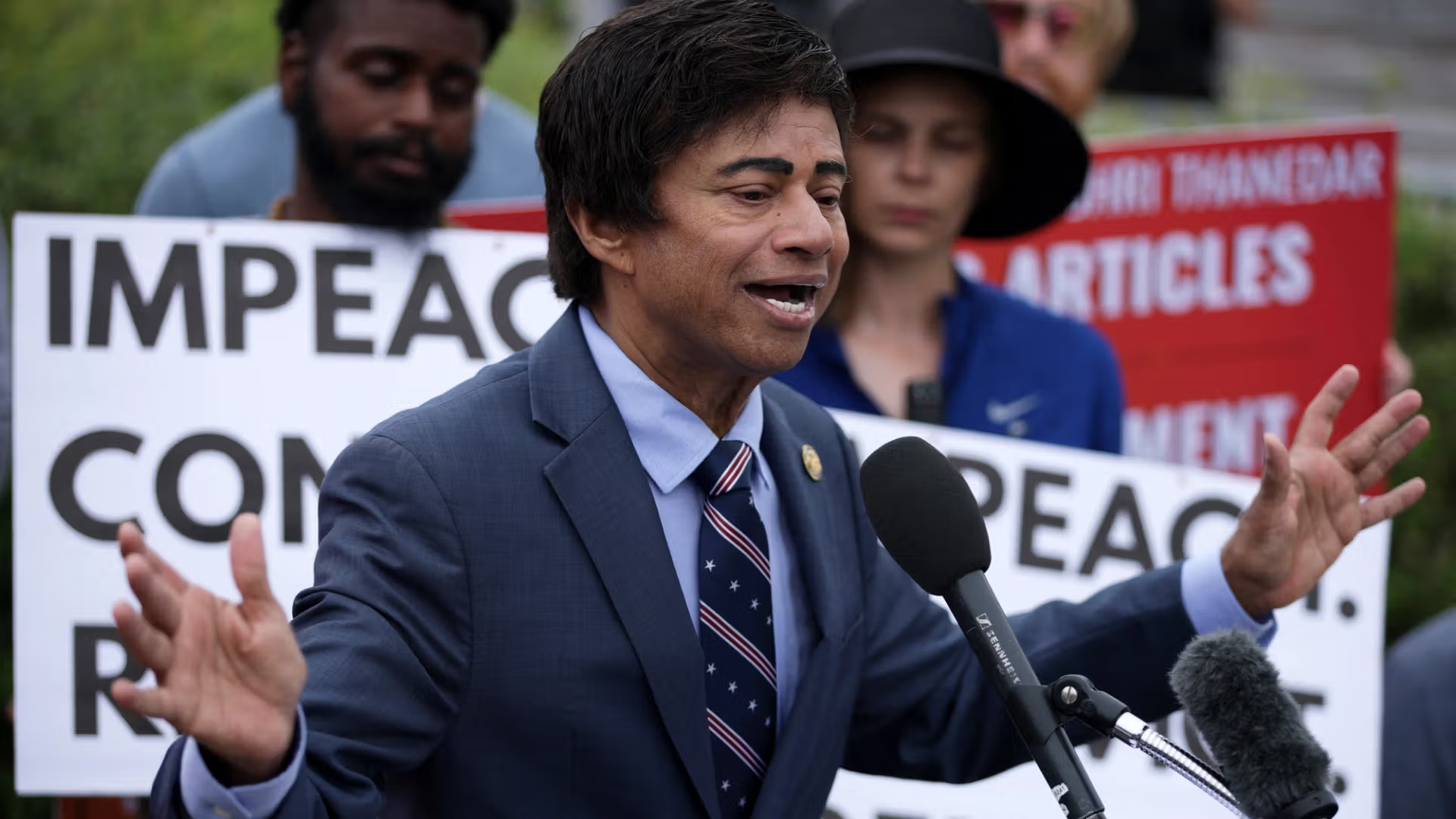
Despite the Detroit defeat, the growth of crypto-friendly lawmakers remains a clear trend. The crypto industry is significantly increasing its lobbying and campaign funding efforts, aiming to shape regulatory legislation in its favor. This political expansion comes at a critical time for the sector as regulatory agencies increase pressure on cryptocurrencies.
