The R$ 300 Million Warning: Executive Exposes Tokenization Flaws Confirmed by Morgan Stanley

A high-profile executive behind R$ 300 million in tokenized assets is sounding the alarm on industry pitfalls that align perfectly with a new Morgan Stanley report. The bank's 'ABCs of Tokenization' document is currently circulating among top-tier fund managers, providing a sobering reality check on the current state of asset tokenization.
This development highlights a critical shift from hype to utility. By outlining specific criteria—such as 24/7 market operations, global demand, and collateral utility—the report underscores that successful tokenization requires more than just blockchain technology; it requires deep liquidity and institutional-grade infrastructure to drive real-world impact.
An executive who managed the tokenization of R$ 300 million is highlighting critical flaws that mirror recent findings in a Morgan Stanley report. The document, titled “ABCs of Tokenization” and released by the bank's Global Investment Office, has become essential reading for institutional investors and asset managers.
Rather than offering blind optimism, the report provides a framework for identifying viable assets. According to Morgan Stanley, for tokenization to deliver value, assets must meet four key pillars: 24/7 market availability, global demand, utility as collateral, and efficient flows. This alignment between industry practitioners and major banking institutions suggests a maturing market focused on rigorous standards rather than speculative trends.
This is a summarized and adapted version by Artificial Intelligence. To read the complete original story, visit the official source.
Read Full Article at LivecoinsSupport Jornal Bitcoin
Independent journalism, curated by AI, no clickbait. Keep the flame alive with any amount of BTC.
jonata@walletofsatoshi.comDaily Crypto Brief 📬
Subscribe to receive the curation of the most important Bitcoin and crypto news, summarized by AI. No spam.
Join more than 10,000 smart readers.
Related News
MEXC Unleashes Bittensor (TAO) Staking: A Massive Leap for Decentralized AI
This integration is designed to scale the Bittensor ecosystem, which currently boasts 128 specialized subnets dedicated to complex machine learning tasks. As Yuma evaluates subnet performance to distribute staking rewards, this partnership between MEXC and Bittensor significantly boosts network participation and strengthens the utility of the TAO token within the global AI landscape.
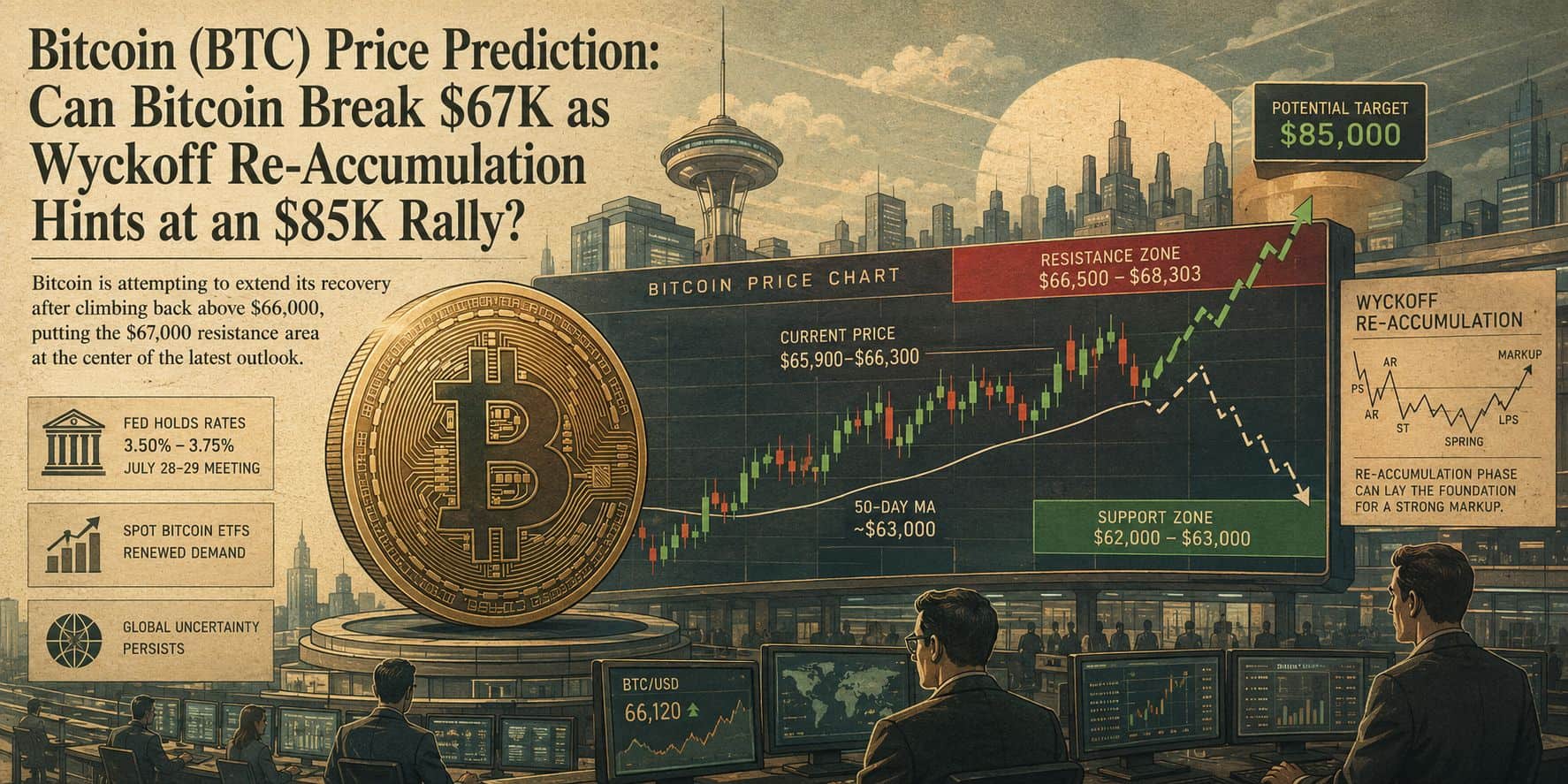
Bitcoin Eyes $85K Rally: Is the Wyckoff Re-Accumulation Pattern Triggering a Breakout?
Evidence of a Wyckoff re-accumulation phase has emerged, signaling that institutional players may be absorbing supply before a major breakout. Should Bitcoin successfully breach current resistance, technical indicators point toward a massive rally targeting the $85,000 mark.

Tech Warfare: US Threatens Sanctions on Chinese AI Models Over IP Theft
The fallout from these potential sanctions extends far beyond traditional tech sectors, posing major implications for the crypto AI tokens market. As regulatory pressure mounts, the intersection of blockchain and artificial intelligence faces a period of intense volatility and structural realignment.

Russia Passes Crypto Law: $3,800 Annual Cap Set for Retail Investors
While Bitcoin remains unavailable for everyday consumer purchases, the law provides a critical loophole for corporations to utilize digital tokens to bypass international sanctions. By integrating blockchain technology into its economic defense, Russia aims to navigate global trade hurdles and maintain financial connectivity despite mounting geopolitical pressures.

Visa's Stablecoin Treasury Engine: A Massive Leap for Institutional Settlement
By pushing settlement capabilities deeper into the institutional sector, Visa is bridging the gap between legacy banking and decentralized technology. The successful integration of stablecoins into institutional workflows could redefine global capital movement, setting a new benchmark for how the world's largest financial entities interact with the crypto economy.

Digital Strike: U.S. Treasury Freezes $130M Iran-Linked IRGC Crypto Wallet
This crackdown underscores the escalating use of blockchain forensics in international geopolitics to combat state-sponsored financing. By aggressively targeting IRGC-linked crypto wallets, the U.S. government is setting a precedent for how digital assets can be leveraged to enforce sanctions and increase economic pressure on hostile nations through advanced asset tracking.
