Europe led on crypto regulation. Now implementation must match ambition

Intel Brief: Europe moved fast on crypto regulation—but the real test starts now: implementation that matches the ambition, with consistent enforcement across the market.
As CoinDesk points out, Europe’s regulatory push for cryptoassets, stablecoins, and digital-asset markets has to translate into clear rules, effective oversight, and legal certainty. If execution lags, the region’s advantage risks turning into friction for innovation and investment, with direct consequences for adoption and market confidence.
Europe has taken a leading role in crypto regulation, setting out a clear direction for the industry. But the decisive phase now is implementation—turning what was designed on paper into operational, consistently enforced rules. Regulators and implementation authorities must ensure that cryptoasset frameworks and the conduct of market participants are practical, measurable, and applied with confidence.
The message is simple: regulatory ambition without delivery loses impact. For stablecoins, cryptoassets, and market operators, what will matter most is legal certainty and regulatory predictability. If Europe aligns legislation, interpretation, and enforcement, it can preserve its leadership and attract capital. Otherwise, it risks slowing adoption, eroding trust, and leaving room for other jurisdictions to capture growth.
This is a summarized and adapted version by Artificial Intelligence. To read the complete original story, visit the official source.
Read Full Article at CoinDeskSupport Jornal Bitcoin
Independent journalism, curated by AI, no clickbait. Keep the flame alive with any amount of BTC.
jonata@walletofsatoshi.comDaily Crypto Brief 📬
Subscribe to receive the curation of the most important Bitcoin and crypto news, summarized by AI. No spam.
Join more than 10,000 smart readers.
Related News

WIF Price Alert: Bollinger Squeeze Loaded as Bears Gain the Upper Hand
Technical indicators suggest that bears currently hold the edge, with a 55% probability of a downside break toward $0.15. This potential price action highlights the growing risk for holders if the current consolidation fails to attract renewed buying pressure.
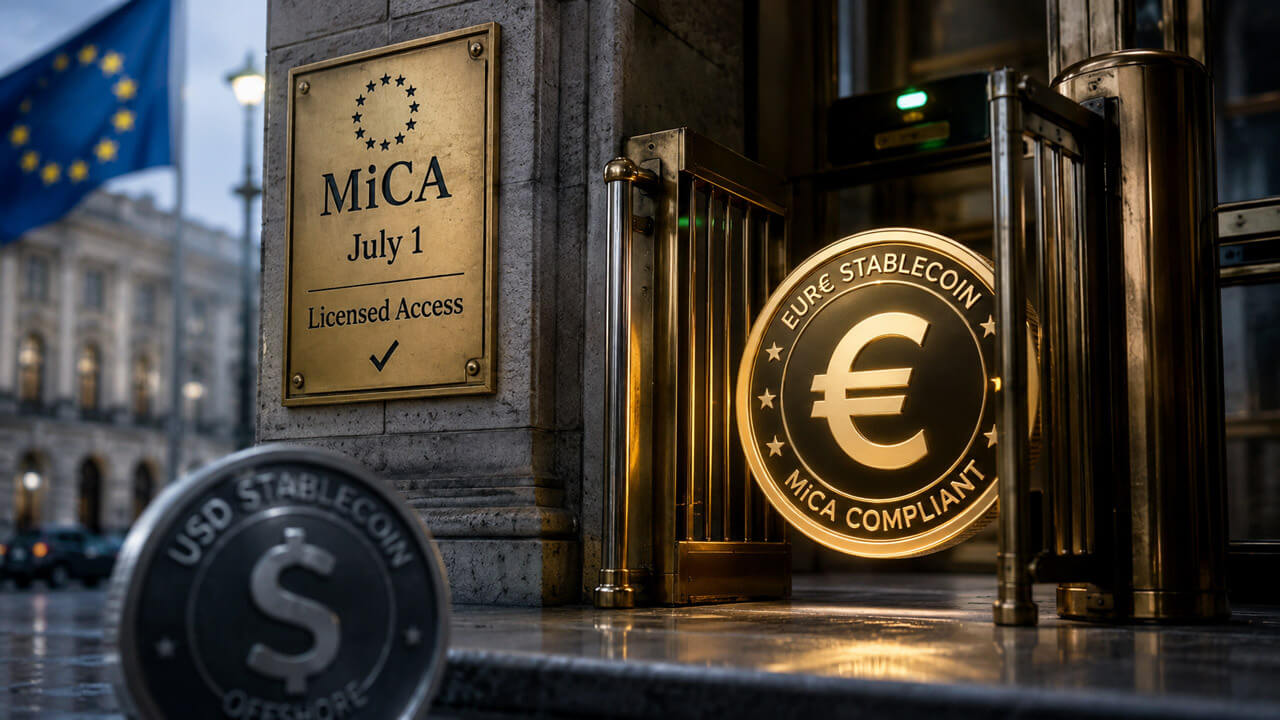
The MiCA Shift: How Banks are Seizing Control of Europe’s Stablecoin Infrastructure
This regulatory evolution brings major banks closer to dominating the stablecoin landscape, potentially centralizing the infrastructure used by everyday consumers. The consequences for decentralized finance (DeFi) and user autonomy remain a critical point of debate as the EU sets the global standard for crypto compliance.

TON Price Warning: 'Dead Money' Trap Below Moving Averages Targets $1.52
This technical setup suggests that a drop toward the $1.52–$1.50 support zone is the most probable high-probability path. Such a correction is viewed as a prerequisite to flush out leveraged traders before any meaningful recovery in the TON price can take hold.
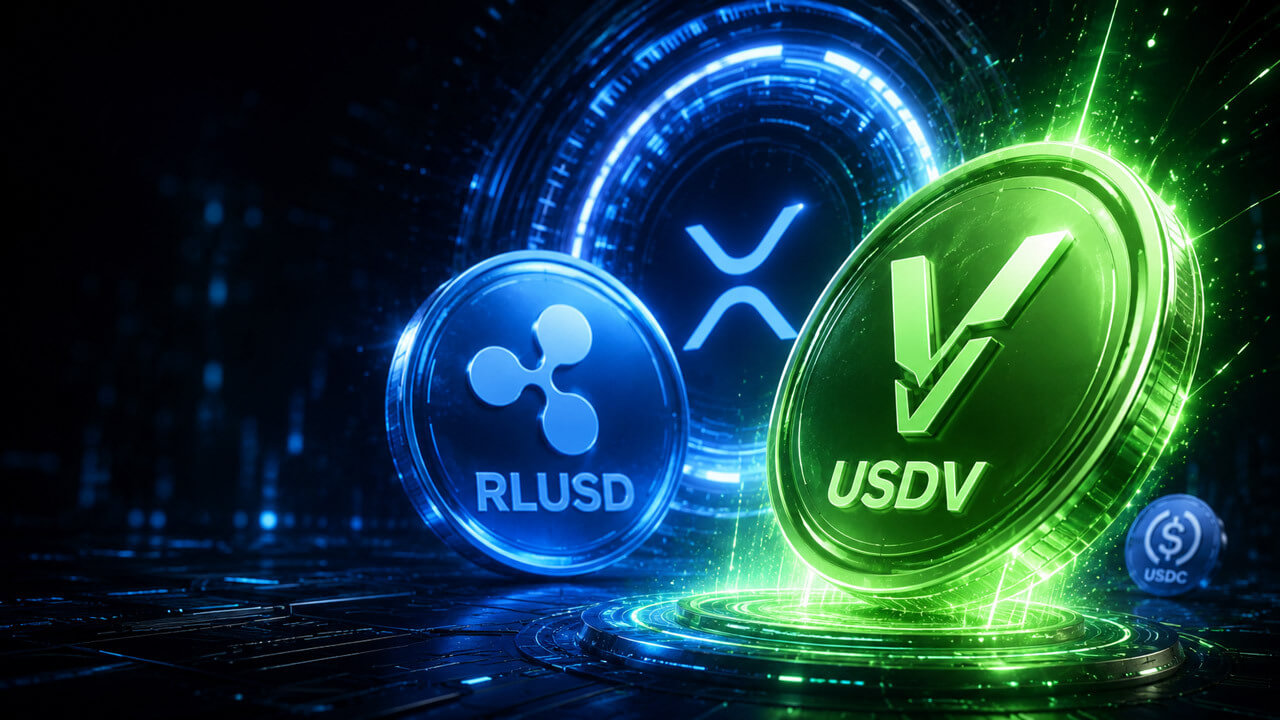
XRPL Stablecoin Supply Hits $900M: Why RLUSD Isn't the Only Story
While RLUSD accounts for a staggering 94.9% of the total supply, the emergence of Valtorum's USDV, now at $39.3 million, highlights a growing trend of diversification. This breakout in XRPL stablecoin volume proves that the ledger is evolving into a multi-issuer ecosystem, reducing reliance on a single entity and fostering broader DeFi utility.
Deadline Missed: CLARITY Act Fails Trump’s July 4 Target, Leaving Only 25 Days to Pass
With the Senate returning on July 13 and a recess looming on August 7, the crypto industry's long-sought market structure bill is racing against the clock. This delay places immense pressure on lawmakers to finalize the framework before the summer break.

Zelenskyy Warning: Patriot Missile Delays Could Fuel Russia and Shake Global Markets
Beyond the battlefield, these delays heighten the perceived NATO-Russia risks, creating significant ripples in global market sentiment. As geopolitical tensions rise, investors are closely monitoring how these shifts in defense capabilities might drive volatility and influence the demand for safe-haven assets amidst heightened macro uncertainty.
