The $232 Billion Showdown: Euroclear Sues in Brussels to Block Russian Asset Seizure

Euroclear, a dominant European clearinghouse, has launched a high-stakes lawsuit in Brussels to overturn a Moscow court ruling demanding the release of nearly $232 billion in blocked Russian assets. This legal offensive is designed to invalidate what the firm describes as an unfair trial and a direct threat to international financial stability.
Beyond the massive dollar amount, the implications are systemic; Euroclear fears that this ruling could trigger a domino effect, endangering its assets held across various international jurisdictions. This legal battle against the Central Bank of Russia represents a critical frontline in the fight over the control and security of frozen sovereign assets.
Euroclear, one of Europe's largest clearinghouses, is fighting back in Brussels to block a Russian court order that mandates the release of approximately $232 billion in blocked Russian assets. The institution argues that the trial conducted in Russia was fundamentally unfair and lacks international legal standing.
Euroclear's primary concern extends beyond the immediate loss, fearing that its assets in other international jurisdictions could be targeted in retaliation. This massive legal showdown against the Central Bank of Russia highlights the escalating risks surrounding the management of frozen assets in a fractured geopolitical landscape.
This is a summarized and adapted version by Artificial Intelligence. To read the complete original story, visit the official source.
Read Full Article at Bitcoin.comSupport Jornal Bitcoin
Independent journalism, curated by AI, no clickbait. Keep the flame alive with any amount of BTC.
jonata@walletofsatoshi.comDaily Crypto Brief 📬
Subscribe to receive the curation of the most important Bitcoin and crypto news, summarized by AI. No spam.
Join more than 10,000 smart readers.
Related News
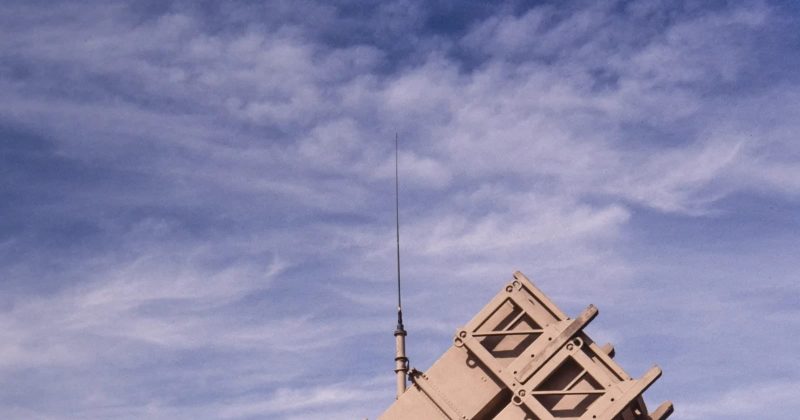
Zelenskyy Warning: Patriot Missile Delays Could Fuel Russia and Shake Global Markets
Beyond the battlefield, these delays heighten the perceived NATO-Russia risks, creating significant ripples in global market sentiment. As geopolitical tensions rise, investors are closely monitoring how these shifts in defense capabilities might drive volatility and influence the demand for safe-haven assets amidst heightened macro uncertainty.

Iran Power Shift: Mojtaba Khamenei Takes Charge Amid Escalating US-Israel Tensions
As the geopolitical stability of the region hangs in the balance, market confidence is facing a rigorous test. The potential for intensified regional tensions could trigger significant volatility, influencing global economic sentiment and impacting risk appetite across both traditional and digital asset markets.

Geopolitical Alert: Israel Readies Military Action Amid Fragile Iran Ceasefire
Any escalation in military action between Israel and Iran could fundamentally destabilize global dynamics, triggering significant market volatility and economic uncertainty. For crypto markets and traditional finance alike, this looming conflict acts as a systemic risk factor capable of driving rapid liquidity shifts and a flight to safety.

Market Turmoil: Gilt Yields Surge to Post-2008 Highs as Iran Crisis Pressures Bank of England
Rising energy-driven inflation risks are pushing the economy toward a dangerous stagflation scenario. As the BoE navigates these turbulent waters, the impact on financial stability and broader asset markets remains a critical concern for institutional investors and global economists alike.
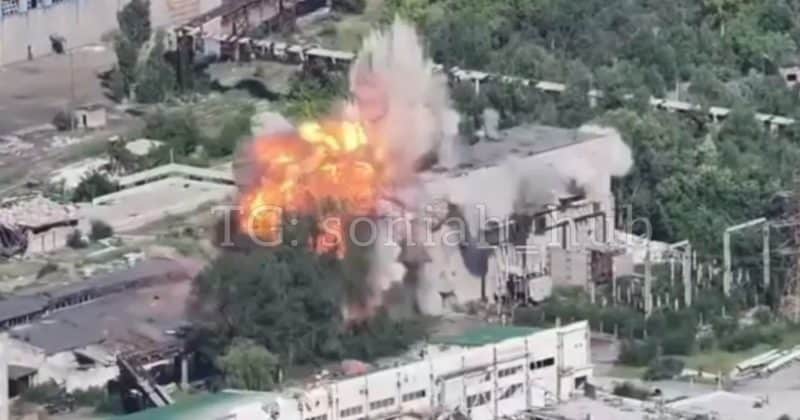
Geopolitical Shockwave: Russia Unleashes Massive Air Attack on Ukraine Ahead of NATO Summit
Beyond the immediate destruction, this offensive complicates ongoing diplomatic efforts and highlights the uncertain path toward Ukraine's long-term recovery. The strategic implications of this attack could reshape international relations and influence the decision-making processes within the NATO alliance.
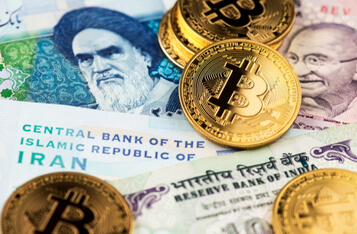
Hormuz Strait Tension: Iran Envoy Hints at Selective Fees as Polymarket Odds Surge to 68%
As the threat of selective fees in the Strait of Hormuz looms, Polymarket odds have spiked to 68%, signaling a massive shift in market sentiment. This heightened geopolitical tension underscores the growing volatility and the potential for significant disruptions to global trade routes and energy security.
