US Weaponizes Tether: Nearly $500 Million Frozen in Iran Sanctions Crackdown
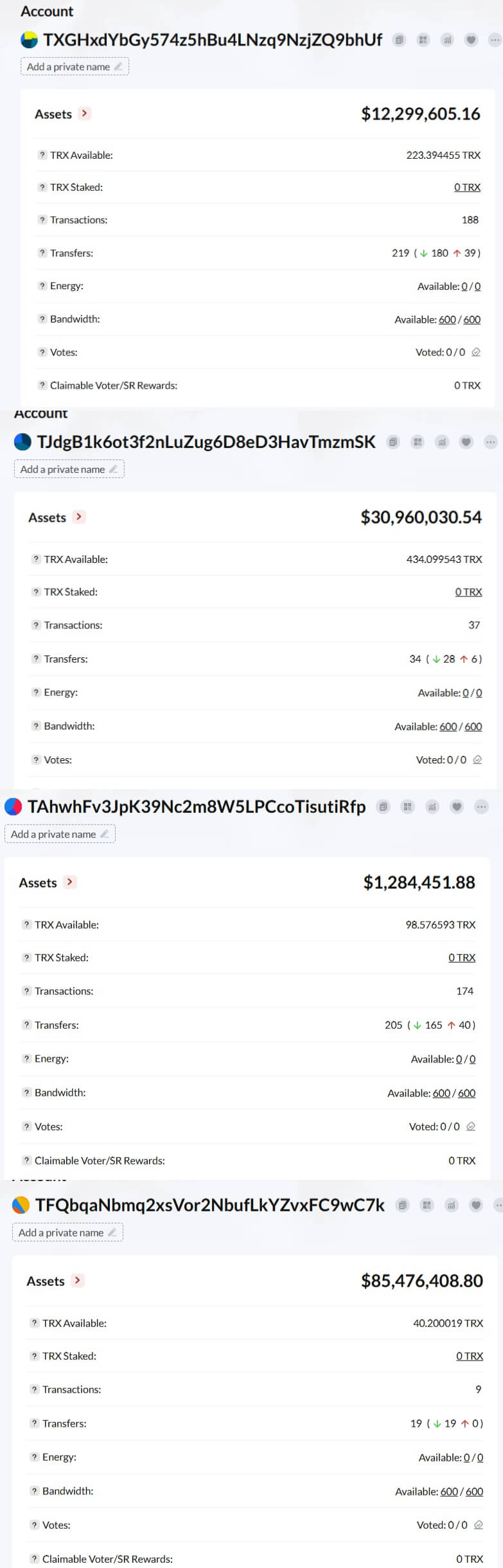
US authorities have successfully weaponized Tether's control over its dollar-linked stablecoin to execute a massive financial crackdown against Iran. In under three months, nearly $475 million in USDT has been frozen, effectively extending Washington’s sanctions reach far beyond the traditional banking infrastructure.
This strategic move highlights the growing intersection of decentralized finance and global geopolitics. By targeting specific wallets on the Tron blockchain, the US government is demonstrating its ability to exert significant pressure on the crypto ecosystem, proving that stablecoins are now a frontline tool in international economic warfare.
On July 14, the US government sanctioned four wallets on the Tron blockchain holding roughly $131 million in USDT. The use of stablecoins as a financial weapon underscores the increasing ability of regulatory bodies to intercept and freeze digital assets, signaling a new era of oversight in the crypto-asset space.
This is a summarized and adapted version by Artificial Intelligence. To read the complete original story, visit the official source.
Read Full Article at CryptoSlateSupport Jornal Bitcoin
Independent journalism, curated by AI, no clickbait. Keep the flame alive with any amount of BTC.
jonata@walletofsatoshi.comDaily Crypto Brief 📬
Subscribe to receive the curation of the most important Bitcoin and crypto news, summarized by AI. No spam.
Join more than 10,000 smart readers.
Related News
Geopolitical Flashpoint: Tehran Billboard Depicts Trump in Coffin Amid US-Iran Escalation
Such rising tensions could destabilize the entire region, creating a ripple effect that impacts global markets and investor confidence. As the potential for further conflict grows, the global economy faces increased uncertainty regarding regional safety and the stability of critical trade corridors.
Trump’s New Iran Strategy Leaked: Is Bitcoin Destined for Another Crash?
The restart of war in the Middle East introduces significant systemic risk to global markets. For Bitcoin holders, the intersection of Trump's foreign policy and Middle East instability represents a critical inflection point that could either drive a flight to safety or trigger a massive sell-off in risk assets.
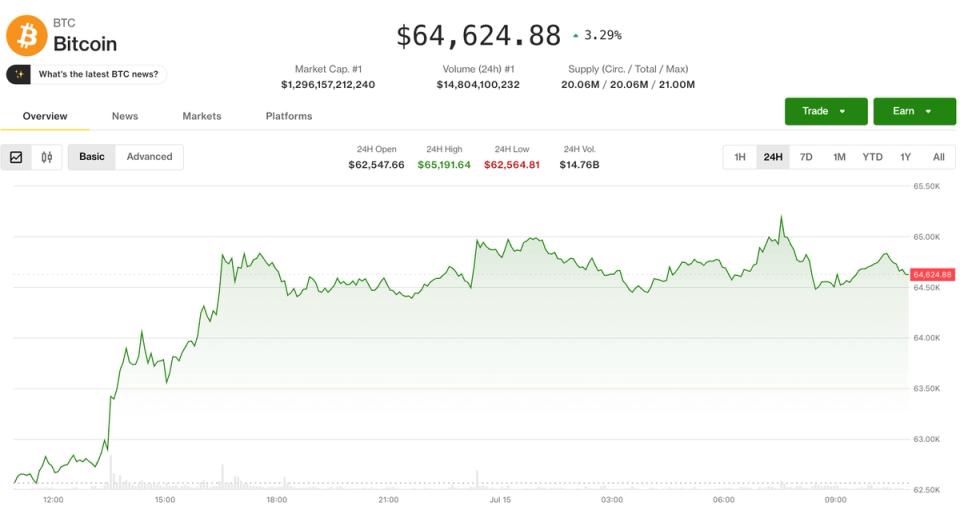
Crypto Standoff: Middle East Tensions Neutralize U.S. Inflation Boost
This geopolitical friction acts as a direct counterforce to the positive macroeconomic signals coming out of Washington. As investors weigh the impact of cooling inflation against the risks of Middle East instability, the immediate trajectory for Bitcoin remains highly sensitive to international developments.
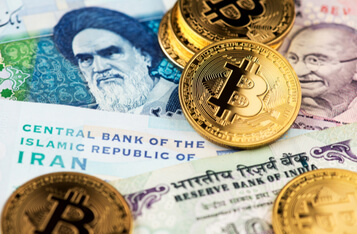
Middle East Chaos: Odds of Iran Regime Collapse Dip to 9.5% on Polymarket
The geopolitical landscape has intensified following reports that Iran struck Kuwait, Bahrain, and Jordan, claiming to have destroyed the US Fifth Fleet’s command center after talks collapsed. This heightened tension keeps crypto markets and prediction platforms on high alert as investors weigh the impact of regional conflict on global stability and Bitcoin volatility.
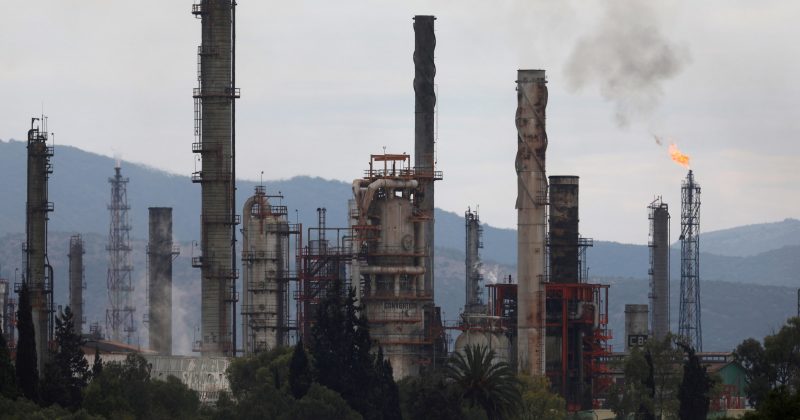
Energy War Shift: Japan Swaps Iranian Oil for Mexican Crude Amid Global Tensions
This disruption is expected to trigger significant volatility across multiple asset classes, impacting global inflation rates and currency stability. Furthermore, the ripple effects are poised to influence crypto markets, as investors react to the shifting macroeconomic landscape and the search for hedges against energy-driven economic shocks.
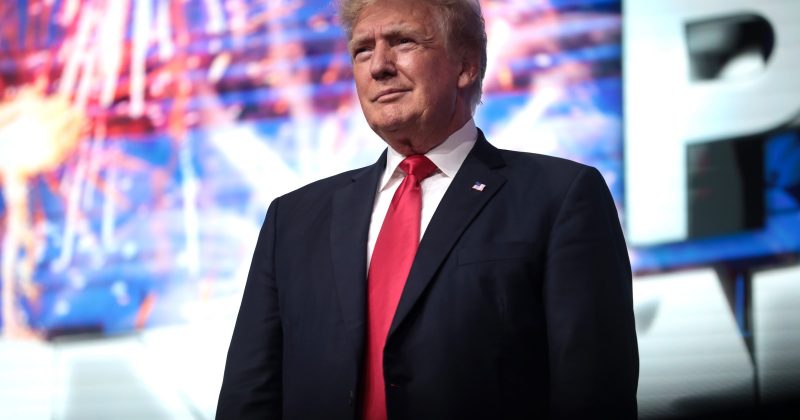
Geopolitical Crisis: US Targets Iran’s Civilian Infrastructure Amid Trump’s Escalating Threats
This escalation poses a severe threat to the normalization of the Strait of Hormuz, a critical artery for global trade. Furthermore, the heightened instability is actively undermining prospects for economic recovery deals, potentially triggering widespread market volatility and energy supply disruptions.
