US Halts Nightly Iran Airstrikes Amid Escalating Houthi-Saudi Clashes
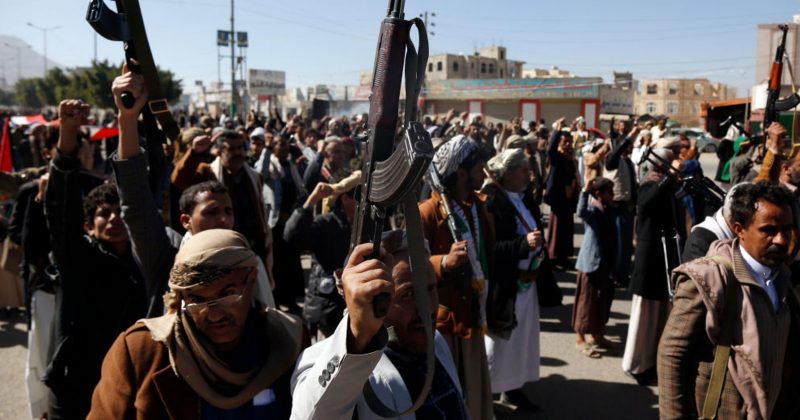
The United States has officially paused its nightly airstrikes against Iran, a strategic pivot occurring as Houthi-Saudi clashes intensify. This sudden shift in military posture highlights the volatile nature of current Middle East tensions and the complex diplomatic balancing act required to prevent a wider regional war.
As geopolitical instability fluctuates, the impact on global markets remains a primary concern for institutional players. The interplay between Middle East conflicts and global economic stability is a critical factor that could drive sudden shifts in risk appetite across both traditional and digital asset classes.
The US has paused its nightly airstrikes on Iran amidst ongoing Houthi-Saudi clashes, according to reports from SCMP. This tactical pause comes at a time of heightened regional friction, as the interplay between various militant groups and state actors continues to destabilize the Middle East, creating a high-stakes environment for global security and economic predictability.
This is a summarized and adapted version by Artificial Intelligence. To read the complete original story, visit the official source.
Read Full Article at Crypto BriefingSupport Jornal Bitcoin
Independent journalism, curated by AI, no clickbait. Keep the flame alive with any amount of BTC.
jonata@walletofsatoshi.comDaily Crypto Brief 📬
Subscribe to receive the curation of the most important Bitcoin and crypto news, summarized by AI. No spam.
Join more than 10,000 smart readers.
Related News
Geopolitical Red Alert: US-Iran Conflict Escalation Expected to Hit in September
Speculative reports are pointing toward extreme outcomes, including potential regime shifts in Iran by the end of the month. This surge in geopolitical risk serves as a critical signal for investors to monitor macro trends, as sudden escalations in the Middle East often dictate rapid shifts in global liquidity and risk appetite.
China ramps up green energy pivot as Iran conflict destabilizes oil demand
This pivot comes at a critical juncture for global markets, where the instability of crude oil prices is forcing a re-evaluation of traditional energy dependencies. The acceleration of green energy deployment in China not only addresses domestic security but also sets a new precedent for how major economies navigate the intersection of conflict and climate transition.
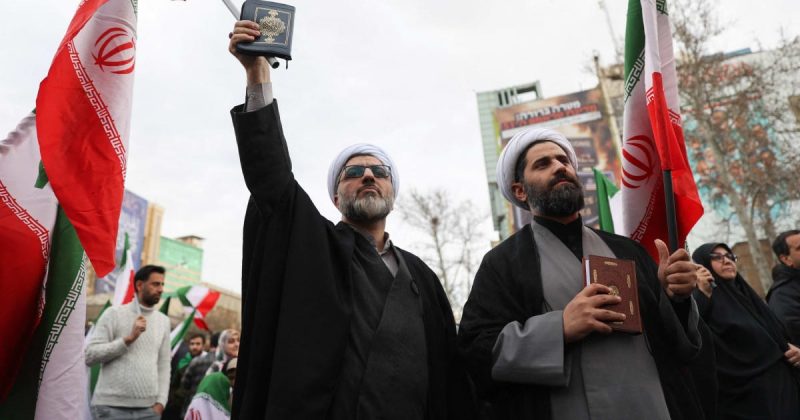
Iran-US Tensions Explode: Military Action Risks and Energy Market Chaos Ahead
While long-term projections for 2026 suggest a reconstruction deal with significant funding, the immediate threat of military engagement poses a direct challenge to global liquidity. The market is bracing for significant volatility as the intersection of energy security and geopolitical warfare becomes the primary driver of economic uncertainty.

Cathie Wood’s AI Masterplan: Tesla and SpaceX Named Top Picks
This strategic capital injection underscores a profound belief in the synergy between AI and advanced engineering. By targeting Tesla and SpaceX, Wood is betting on the infrastructure that will likely define the future of autonomous systems and space-based intelligence, signaling a major shift in institutional AI sentiment.
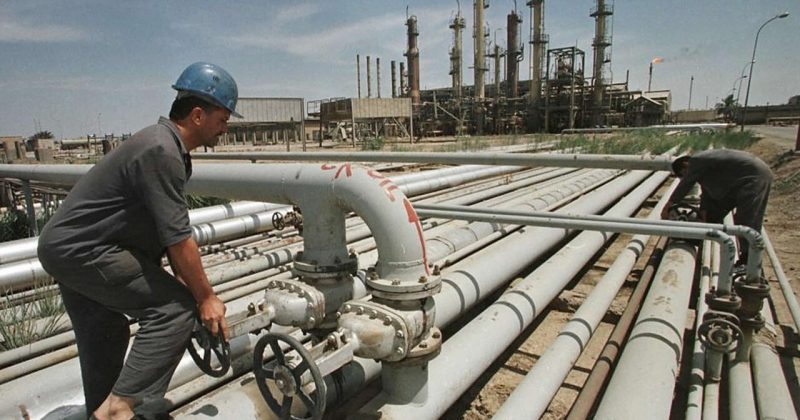
Oil Geopolitics Shift: Iraq and Syria Strike Deal to Bypass Strait of Hormuz
By establishing this corridor, Iraq aims to significantly reduce its reliance on the Strait of Hormuz, a major global choke point. This shift in energy logistics not only enhances Iraq's export security but also introduces a new variable in the geopolitical stability of the Middle East and global energy markets.
Ukraine Escalation: 12 Civilians Killed in Zaporizhzhia Attack Amid Russian Retaliation
As the battlefield shifts, strategic projections suggest a prolonged struggle, with some analysts weighing the possibility of Russian forces entering Sloviansk by late 2026. The continuous cycle of strikes and military maneuvers underscores the volatile nature of the ongoing war and its unpredictable impact on global security.
