Geopolitical Shockwave: US Weighs 20% Toll on Strait of Hormuz Amid Iran Tensions
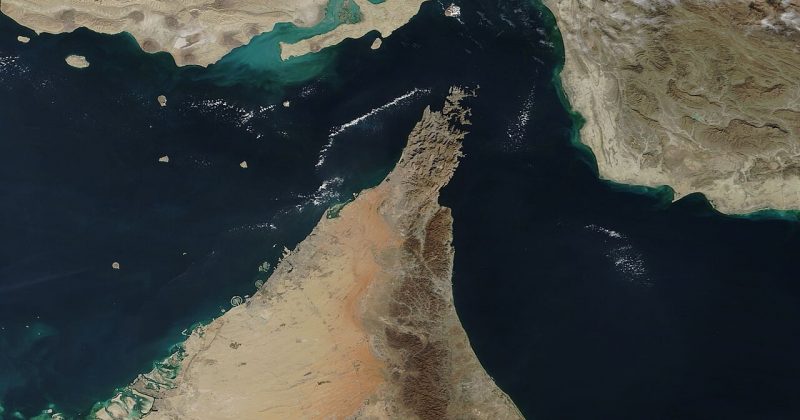
Global markets are bracing for potential disruption as the US considers imposing a massive 20% toll on cargo passing through the Strait of Hormuz. Driven by escalating tensions with Iran, this strategic move targets one of the world's most vital maritime chokepoints, threatening to reshape international trade dynamics and increase global economic uncertainty.
The proposed toll, which could see implementation by July 2026, poses a significant risk to supply chains and commodity pricing. As the standoff between the US and Iran intensifies, investors are closely watching for signs of increased volatility in energy markets and traditional financial assets, which often spills over into the crypto market.
In a move that signals a significant escalation in Middle Eastern geopolitical friction, the United States is considering a 20% toll on cargo transiting the Strait of Hormuz. This potential policy is being weighed against the backdrop of heightened tensions with Iran, a nation central to the security of this critical maritime corridor.
Reports suggest a target implementation window of July 31, 2026. If enacted, the 20% levy could fundamentally alter the cost of global shipping and trigger widespread economic shifts, impacting everything from oil prices to broader market stability.
This is a summarized and adapted version by Artificial Intelligence. To read the complete original story, visit the official source.
Read Full Article at Crypto BriefingSupport Jornal Bitcoin
Independent journalism, curated by AI, no clickbait. Keep the flame alive with any amount of BTC.
jonata@walletofsatoshi.comDaily Crypto Brief 📬
Subscribe to receive the curation of the most important Bitcoin and crypto news, summarized by AI. No spam.
Join more than 10,000 smart readers.
Related News
CLARITY Act: The Key to Empowering the CFTC Against Prediction Market Surge
By granting additional oversight powers, the proposed Digital Asset Market Clarity (CLARITY) Act aims to bolster market integrity. This legislative move is seen as essential for regulating high-growth platforms like Polymarket and Kalshi, ensuring robust customer protections in the evolving digital asset landscape.
Dimon's Warning: Why the JPMorgan CEO is Avoiding Stocks Right Now
By stating he would avoid both stocks and long-term bonds at current valuations, Dimon is signaling a potential market correction. This stance suggests that current asset pricing fails to account for systemic risks, providing a sobering counter-narrative to the prevailing bullish sentiment in global markets.

Gold Era Over? Bitcoin Ownership Surpasses Gold Among US Adults
As the market anticipates significant growth, with Bitcoin potentially hitting $67,500 by July 2026, the implications for global finance are profound. This surge in Bitcoin adoption suggests that the digital gold narrative is no longer just a theory, but a dominant economic reality driving institutional and retail interest alike.

Lebanese Army Clears Unexploded Ordnance: Is a Permanent Peace Deal on the Horizon?
Despite the immediate focus on safety, long-term geopolitical outlooks remain complex. Current projections suggest a slim 0.8% probability of a permanent peace deal being finalized by July 31, 2026, highlighting the ongoing volatility and the delicate balance of power in the region.

Brent Crude Surges Past $100: Middle East Conflict Ignites Oil Supply Fears
Market analysts are closely monitoring the situation, with some forecasting a potential new all-time high by December 31. As geopolitical tensions persist, the threat of supply shortages could trigger broader economic consequences, forcing a reevaluation of global energy security and commodity pricing strategies.

China's Massive Gold Buying Spree: A Strategic Shield Against Russia's Financial Fate
This relentless accumulation has fueled intense market speculation, with some analysts projecting gold prices could skyrocket to $10,000 by December. As central banks pivot toward precious metals, the global financial landscape is bracing for a significant shift in value and stability.
