Energy Power Play: US Backs Multi-Billion Dollar Iraq-Syria Pipeline Revival
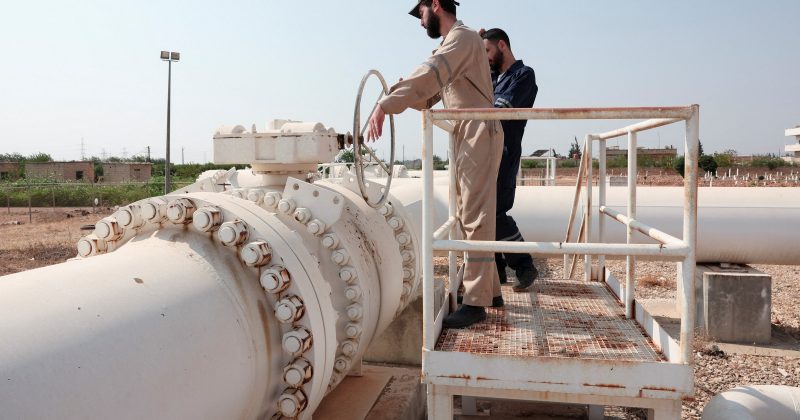
The United States has signaled its support for the revival of the Iraq-Syria crude oil pipeline, a massive multi-billion-dollar infrastructure push. This strategic move aims to diversify Iraq's export routes, providing a critical alternative to existing energy corridors.
By bypassing the Strait of Hormuz, this project could significantly mitigate geopolitical risks associated with one of the world's most sensitive maritime chokepoints. The successful implementation of this pipeline is expected to reshape global energy pricing dynamics and alter the long-term landscape of Middle Eastern energy logistics.
This is a summarized and adapted version by Artificial Intelligence. To read the complete original story, visit the official source.
Read Full Article at Crypto BriefingSupport Jornal Bitcoin
Independent journalism, curated by AI, no clickbait. Keep the flame alive with any amount of BTC.
jonata@walletofsatoshi.comDaily Crypto Brief 📬
Subscribe to receive the curation of the most important Bitcoin and crypto news, summarized by AI. No spam.
Join more than 10,000 smart readers.
Related News
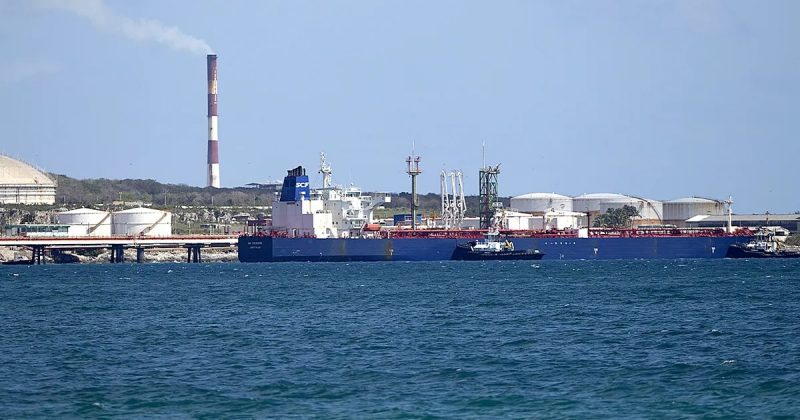
Energy Warfare: New US Bill Targets Top Russian Energy Buyers with Massive 100% Tariffs
Beyond the immediate geopolitical impact, these sanctions could disrupt global energy markets and trigger a surge in oil prices. Furthermore, the move is expected to intensify regulatory scrutiny on crypto, as authorities ramp up efforts to prevent sanctions evasion through digital assets.
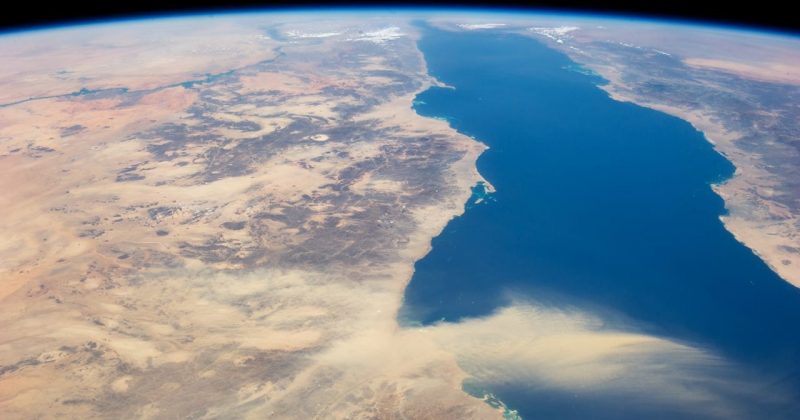
Red Sea Alert: Iranian Plane Lands in Yemen, Fueling Strategic Fears
Iran's increasing footprint in Yemen risks heightening regional tensions and disrupting vital maritime routes. Such strategic movements could lead to significant consequences for global trade, potentially causing widespread economic shifts and supply chain instability.
Strategic Pivot: Trump Scraps Hormuz Toll Plan for Gulf Trade Deals
While the pivot toward trade deals could stabilize regional relations and bolster economic cooperation, the shadow of Iran remains. Analysts are questioning whether this diplomatic approach can effectively neutralize potential Iranian tolls and prevent sudden disruptions to global supply chains and energy markets.

Oil Prices Surge as US-Iran Tensions Flare Following Energy Site Strikes
This escalation is expected to drive significant market volatility and intensify long-term supply concerns. As the situation evolves, the friction between the US and Iran remains a primary catalyst for price swings in both energy and broader financial markets.
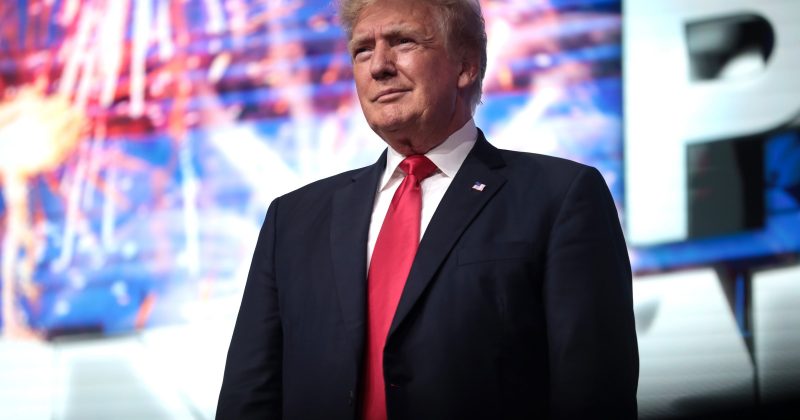
Geopolitical Chaos: Trump's Iran Military Engagement Hits Major Roadblocks
As regional instability continues to prolong, the consequences for global markets are profound. This heightened state of tension increases geopolitical risk, a factor that historically drives market volatility and influences investor sentiment across both traditional and digital asset classes.

Geopolitical Alert: US and Jordan Address Iran Tensions Amid Israel Conflict Escalation
Heightened military actions are expected to hinder diplomatic efforts, significantly reducing market optimism regarding a potential US-Iran deal by 2026. As the conflict intensifies, the likelihood of a swift diplomatic resolution diminishes, maintaining a high-volatility environment that keeps the global financial community on edge.
