Tech Warfare: US Threatens Sanctions on Chinese AI Models Over IP Theft

US Treasury Secretary Bessent has escalated geopolitical tensions by threatening heavy sanctions against Chinese open-source AI models. This strategic move is designed to curb systemic intellectual property theft, marking a critical turning point in the global race for AI supremacy.
The fallout from these potential sanctions extends far beyond traditional tech sectors, posing major implications for the crypto AI tokens market. As regulatory pressure mounts, the intersection of blockchain and artificial intelligence faces a period of intense volatility and structural realignment.
The US government, via Treasury Secretary Bessent, has issued a stern warning against Chinese technological expansion. The threat of sanctions targeting Chinese open-source AI models is a direct response to ongoing intellectual property theft. This escalating conflict is set to ripple through the digital asset space, creating significant implications for crypto AI tokens and the broader integration of decentralized intelligence.
This is a summarized and adapted version by Artificial Intelligence. To read the complete original story, visit the official source.
Read Full Article at Crypto BriefingSupport Jornal Bitcoin
Independent journalism, curated by AI, no clickbait. Keep the flame alive with any amount of BTC.
jonata@walletofsatoshi.comDaily Crypto Brief 📬
Subscribe to receive the curation of the most important Bitcoin and crypto news, summarized by AI. No spam.
Join more than 10,000 smart readers.
Related News
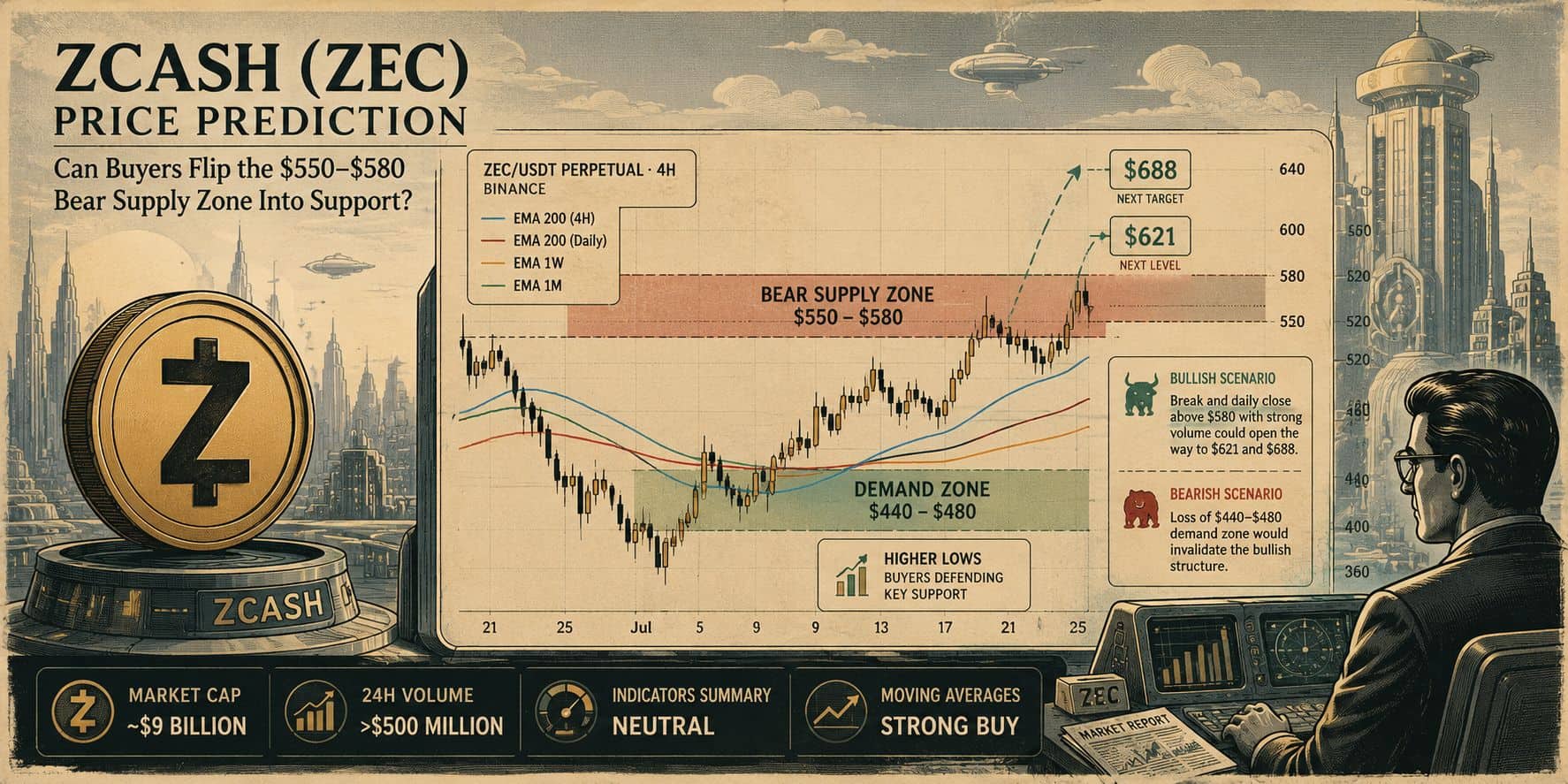
Zcash (ZEC) Price Showdown: Can Buyers Flip the $550–$580 Supply Zone into Support?
This technical battle is a high-stakes moment for ZEC holders and traders alike. Successfully converting this resistance into support would validate the current bullish momentum, potentially shifting the long-term market structure and paving the way for a significant breakout in the cryptocurrency's price action.

Staking Trap? BitMine Derives 98% of Revenue from Staking Amid Decade-Long Contract Lock-in
The complexity arises from the protections afforded to the Ethereum Tower, which can retain a 2% interest rate or elect for formula-based payments following a covered termination. This intersection of high staking revenue and rigid long-term contracts presents a unique risk profile for stakeholders navigating the crypto landscape.

Coinbase's Massive Expansion: The Plan to Become Canada's 'Everything Exchange'
By leveraging tokenization technology, Coinbase is positioning itself to bridge the gap between legacy stock markets and the decentralized future. This expansion signals a major shift in how Canadian investors interact with global markets, potentially disrupting traditional brokerage models through a unified, crypto-native interface.

Ether Breaks $1.9K Resistance: Is $2.1K the Next Target for ETH Bulls?
While onchain headwinds persist, the combination of rising staking demand and macroeconomic catalysts like Google's earnings could provide the necessary fuel for a breakout. Investors are now closely watching if ETH bulls can maintain momentum to hit the critical $2,100 target.
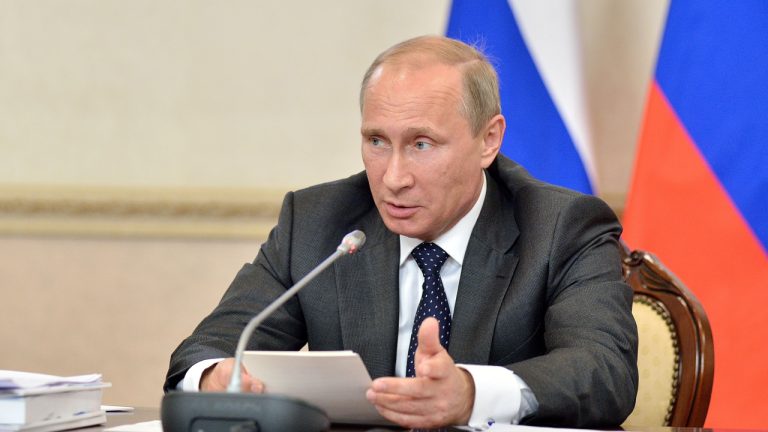
Russia's Crypto Revolution: Landmark Bill Heads to Putin's Desk
Despite the progress, the bill maintains a strict boundary by prohibiting the use of digital currency for everyday payments. This regulatory approach aims to integrate digital rights into the national economy while ensuring that the central bank retains control over the traditional monetary supply, creating a controlled environment for crypto adoption.

Telegram Revolution: Pavel Durov Aims to Deploy Crypto Wallets to 1 Billion Users
Market reaction was swift, with the native Gram token surging 7% following the news. This development underscores the growing convergence of social media and Web3 technology, potentially turning Telegram into a dominant gateway for mainstream crypto adoption.
