Tax Season 2027 is Already Here: How EU and UK Crypto Platforms are Automating Your Reports
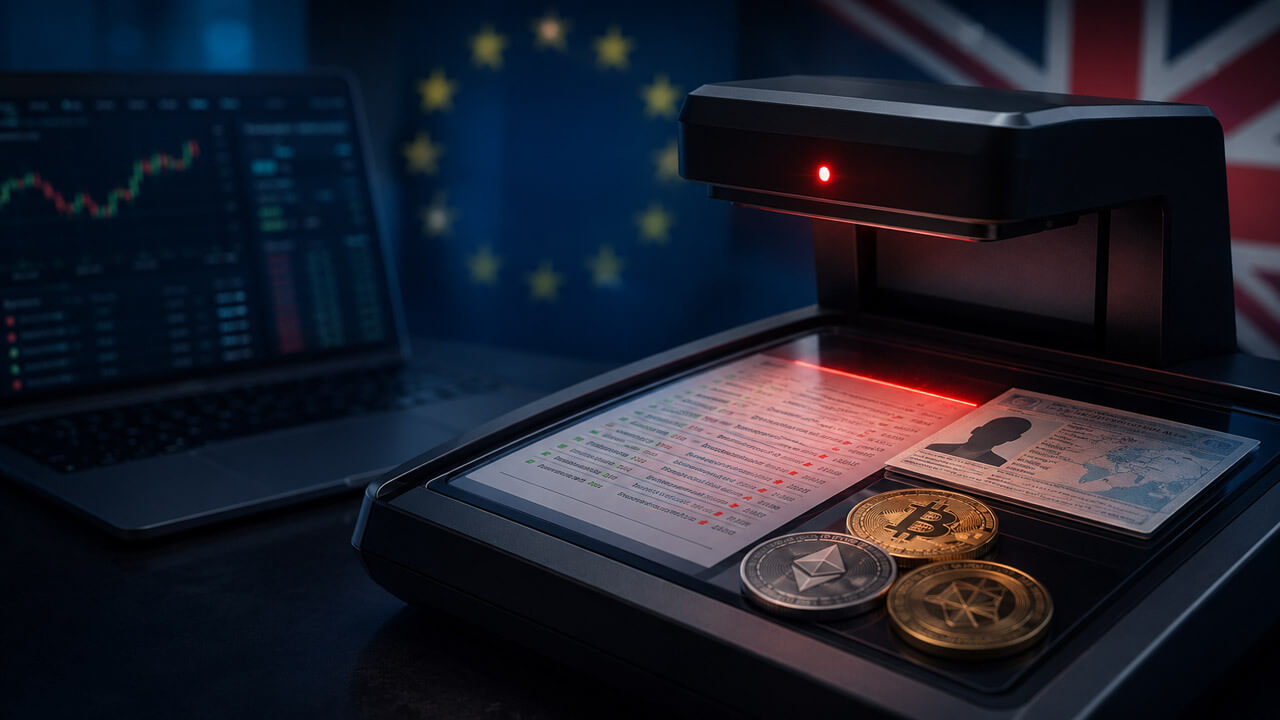
Regulatory pressure is mounting across Europe, and crypto platforms in the EU and UK are already building the infrastructure for your 2027 tax report. This proactive data collection marks a significant shift toward mandatory transparency, ensuring that every transaction is logged and ready for governmental scrutiny.
Understanding the nuances of reporting nexus and tax residence is critical, as these factors dictate how data flows between providers and tax authorities. As compliance becomes deeply integrated into exchange operations, investors must prepare for a landscape where crypto tax reporting is seamless, automated, and unavoidable.
Crypto platforms operating within the EU and UK are already laying the groundwork for the 2027 tax reporting cycle. The structure of these upcoming reports is heavily influenced by the provider's reporting nexus, while the user's tax residence plays a decisive role in how information is exchanged across borders. This shift indicates that the era of manual crypto tax calculations is ending, replaced by a highly regulated and automated reporting ecosystem.
This is a summarized and adapted version by Artificial Intelligence. To read the complete original story, visit the official source.
Read Full Article at CryptoSlateSupport Jornal Bitcoin
Independent journalism, curated by AI, no clickbait. Keep the flame alive with any amount of BTC.
jonata@walletofsatoshi.comDaily Crypto Brief 📬
Subscribe to receive the curation of the most important Bitcoin and crypto news, summarized by AI. No spam.
Join more than 10,000 smart readers.
Related News

UK Fraud Review: Judges Unprepared for Crypto Laundering and AI Scam Surge
As digital assets and artificial intelligence become central to modern criminal tactics, the lack of specialized training poses a significant risk to legal enforcement. Without immediate intervention to educate the legal sector, the UK faces a growing challenge in prosecuting complex blockchain-based crimes and protecting the public from highly convincing AI-driven scams.

Global Standard Alert: US and UK Align Rules for Stablecoins and Tokenization
While these recommendations are not legally binding, they serve as a powerful blueprint for future global standards. By prioritizing interoperability and reducing regulatory fragmentation, this move is expected to bolster institutional confidence and streamline the integration of blockchain technology into the traditional financial system.

UK to Lead Global Finance with First G7 Digital Sovereign Bond by 2027
By leveraging advanced blockchain technology, the initiative aims to drastically reduce settlement times and operational costs for government debt. This move represents a massive shift toward the tokenization of real-world assets and could set the blueprint for how major economies manage sovereign debt in the digital age.

UK Tax Breakthrough: New 'No Gain, No Loss' Rule to Defer Crypto Capital Gains
This strategic move is expected to impact roughly 700,000 individuals by aligning tax obligations with actual economic disposals. By ensuring that gains and losses are only recognized when a participant exits a position economically, the UK aims to foster a fairer tax system that reflects the complex mechanics of modern crypto-lending and liquidity arrangements.

UK Inflation Warning: 3.2% Forecast Clouds Outlook for Crypto and Risk Assets
As inflation remains stubborn, the outlook for risk assets becomes increasingly clouded, potentially dampening performance across the digital asset sector. Investors should prepare for heightened volatility, as these macroeconomic shifts often dictate the liquidity flows essential for the growth of the cryptocurrency market.

US Pressure Forces EU U-Turn: Meta Smart Glasses Exempted from Battery Rules
The exemption underscores a growing tension between environmental sustainability goals and the rapid pace of technological innovation. By carving out this exception, the EU is navigating a delicate path between enforcing the 'right to repair' and maintaining global competitiveness in the burgeoning augmented reality and wearable tech markets.
