US resumes full intelligence sharing with Ukraine, boosting strikes on Russia
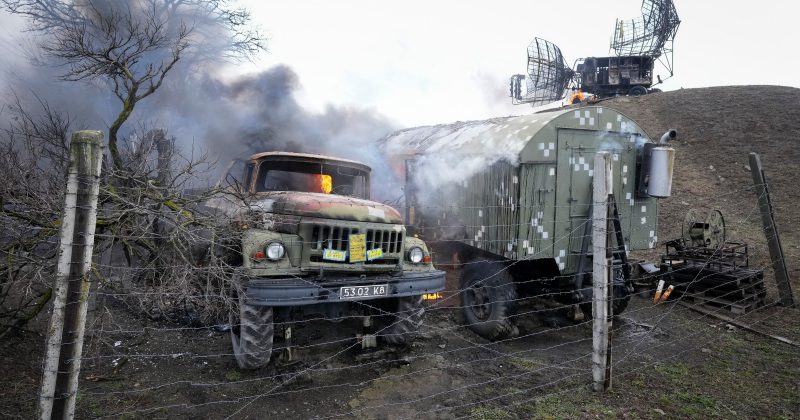
The White House has resumed full intelligence sharing with Ukraine, enabling Kiev to launch more precise strikes against Russian targets. This strategic decision represents a significant escalation in Western support for the conflict, drastically altering the balance of power on the battlefield.
The measure inevitably prolongs the conflict by reducing incentives for a ceasefire, complicating future diplomatic negotiations. With access to cutting-edge intelligence data, Ukrainian forces can now identify and neutralize Russian military targets with unprecedented precision, potentially intensifying casualties on both sides and making a diplomatic solution even more distant.
This is a summarized and adapted version by Artificial Intelligence. To read the complete original story, visit the official source.
Read Full Article at Crypto BriefingSupport Jornal Bitcoin
Independent journalism, curated by AI, no clickbait. Keep the flame alive with any amount of BTC.
jonata@walletofsatoshi.comDaily Crypto Brief 📬
Subscribe to receive the curation of the most important Bitcoin and crypto news, summarized by AI. No spam.
Join more than 10,000 smart readers.
Related News
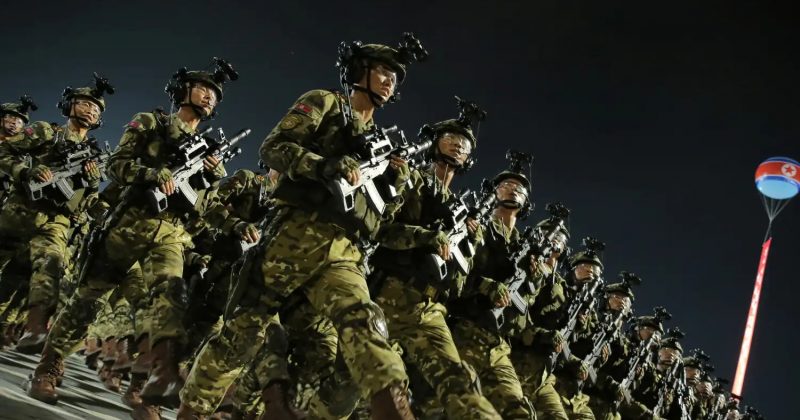
North Korean Troops Deploy to Ukraine, Joining Russia in Escalating Global Conflict
This military collaboration between North Korea and Russia could have profound consequences for regional stability and global military dynamics. Analysts warn that Pyongyang's support for Moscow may strengthen Russia's war capabilities while simultaneously weakening international sanctions against the North Korean regime, creating a new axis of power that will challenge the global geopolitical balance.
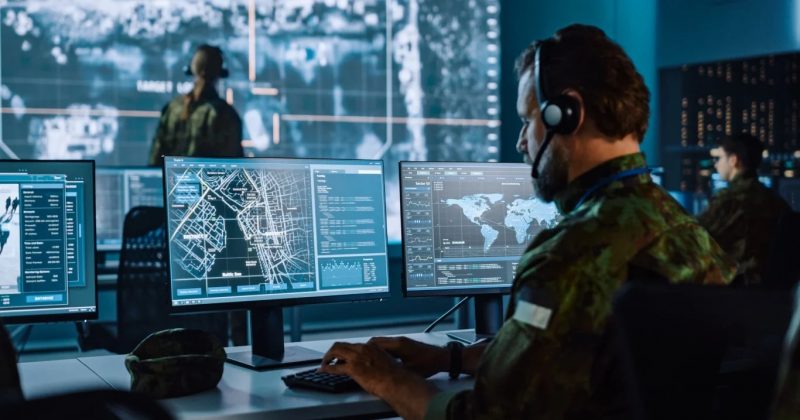
Palantir Wins Legal Battle, Forcing US Defense Agency to Scrap Military Intelligence Bid
The move underscores the intensifying competition between advanced software providers and government agencies for critical intelligence contracts. As the agency reevaluates its procurement strategy, the outcome of this protest could set a new precedent for how military intelligence systems are awarded in the United States.

Deadly Escalation: Russian and Ukrainian Strikes Leave Multiple Casualties Amid Rising Tensions
Beyond the immediate casualties, strategic forecasting points toward a protracted conflict, with a 15% probability of Russian forces entering Sloviansk by late 2026. The ongoing war in Ukraine and the unpredictable nature of these military strikes continue to drive macroeconomic uncertainty and market volatility.
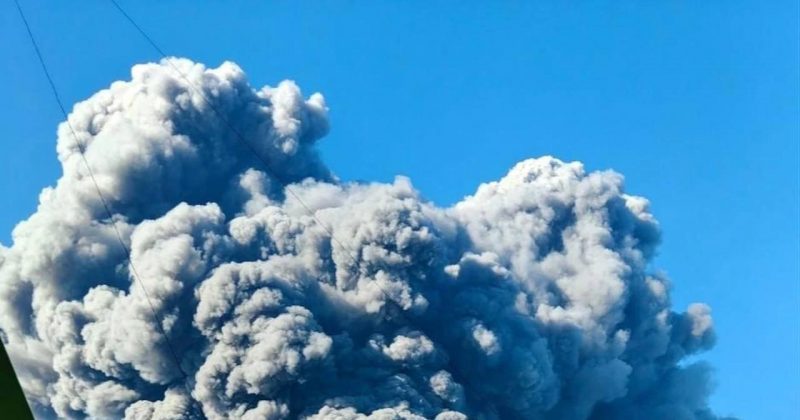
Geopolitical Escalation: Ukraine Strikes Wildberries Logistics Hubs and Russian Oil Depots
As the conflict evolves, high-stakes projections are emerging regarding territorial control, with some analysts suggesting a potential recapture of Crimea by December 31, 2026. The intersection of military strikes and long-term geopolitical shifts continues to drive global uncertainty and market sentiment.

Chaos in Russia and Crimea: Ukrainian Attacks Trigger Fires and Power Outages
Beyond the immediate tactical damage, these developments fuel long-term geopolitical forecasting, including a calculated 8.5% probability that Ukraine could recapture Crimea by December 31, 2026. As the conflict intensifies, the potential for prolonged instability continues to shape global risk assessments and market sentiment.
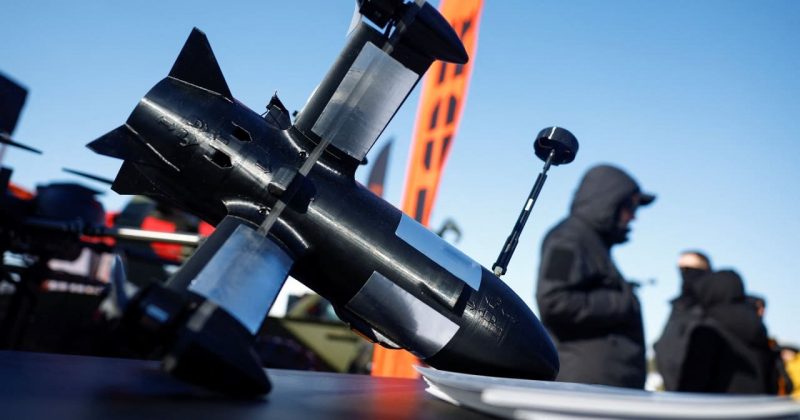
Ukrainian Drones Strike Russian Substations and Shadow Fleet in Crimea
These tactical successes are reshaping the conflict's trajectory, with recent intelligence suggesting an 8.5% probability of full Crimean recapture by December 31, 2026. The ability to strike high-value infrastructure via unmanned systems continues to shift the geopolitical landscape and military equilibrium.
