US shifts aircraft carriers to Middle East, creating power vacuum in Asia-Pacific
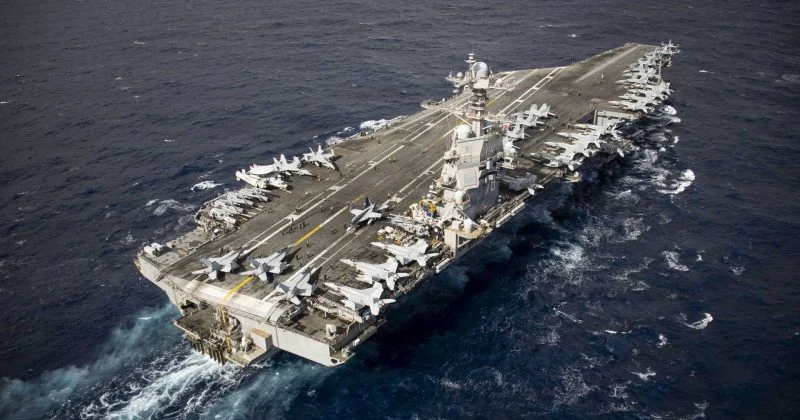
The United States is creating a power vacuum in the Asia-Pacific region by redeploying aircraft carriers to the Middle East. This strategic shift may embolden China, increasing geopolitical tensions and market concerns over Taiwan's security and regional stability.
The US naval presence has been a cornerstone of security in the Asia-Pacific, and its reduction could signal a shift in strategic priorities toward other tension fronts. Financial and crypto markets are reacting to these geopolitical changes, with analysts warning of potential impacts on regional stability and capital flows. The situation is being closely monitored by investors and global authorities.
This is a summarized and adapted version by Artificial Intelligence. To read the complete original story, visit the official source.
Read Full Article at Crypto BriefingSupport Jornal Bitcoin
Independent journalism, curated by AI, no clickbait. Keep the flame alive with any amount of BTC.
jonata@walletofsatoshi.comDaily Crypto Brief 📬
Subscribe to receive the curation of the most important Bitcoin and crypto news, summarized by AI. No spam.
Join more than 10,000 smart readers.
Related News
Binance Unleashes AI Trading Bots: Now They Can Trade Crypto for You
Nomura-Backed Laser Digital Wins Key Approval to Offer Crypto Services in Japan
US Spot Solana ETFs See $15M Inflow, Largest in Three Weeks

Strategy's Bitcoin Treasury Breaks Even as BTC Price Surges Past $77K
This development comes amid accelerating institutional adoption of Bitcoin as a store of value, with more companies integrating cryptocurrencies into their financial strategies. Strategy's treasury recovery serves as a testament to Bitcoin's potential as a reserve asset, particularly during periods of market volatility and growth, reinforcing the broader trend of enterprises seeking inflation protection and portfolio diversification through digital assets.