Ethereum Phishing Nightmare: Trader Loses $1M After Signing Malicious Token Approval

A devastating security breach on the Ethereum network has left a trader nearly $1 million poorer after falling victim to a sophisticated phishing token approval scam. According to data from Scam Sniffer, the attacker utilized advanced scripts to bypass initial hurdles, highlighting how approval phishing remains a primary attack vector for onchain scammers targeting high-value wallets.
This massive loss follows a grim trend in the crypto industry, which has already seen $366 million in phishing-related losses in the first half of this year. The precision of the attack—where the script recalculated and drained the exact remaining balance after an initial failed attempt—serves as a stark warning about the evolving capabilities of automated theft in the decentralized finance space.
A Scam Sniffer alert revealed that a victim lost 999,999 USDt (USDT) to an Ethereum phishing token approval scam. Scammers initially attempted to drain a rounded $1 million via multicalls but failed due to insufficient funds. However, seconds later, the script recalculated and successfully pulled the exact remaining balance in follow-up transfers. The incident underscores the extreme danger of granting token approvals to unverified smart contracts.
This is a summarized and adapted version by Artificial Intelligence. To read the complete original story, visit the official source.
Read Full Article at CoinTelegraphSupport Jornal Bitcoin
Independent journalism, curated by AI, no clickbait. Keep the flame alive with any amount of BTC.
jonata@walletofsatoshi.comDaily Crypto Brief 📬
Subscribe to receive the curation of the most important Bitcoin and crypto news, summarized by AI. No spam.
Join more than 10,000 smart readers.
Related News

Ethereum's Newest Nonprofit Aims to Become the Ultimate Guide for Wall Street
By providing specialized education, this initiative aims to demystify blockchain technology for the world's largest capital holders. This move could significantly accelerate institutional adoption, positioning Ethereum as the foundational layer for the next generation of Wall Street's financial infrastructure.

Circle Brings Native EURC to Base, Signaling a Clearer Euro Stablecoin Path After MiCA
As MiCA provides clearer regulatory runway for euro stablecoins across Europe, moving EURC to Base can accelerate adoption and deepen trading access in faster, cheaper L2 environments. The bottom line: the market gets a more straightforward route to build, integrate, and use euro stablecoins with less compliance uncertainty—an important signal for EURC, stablecoin infrastructure, and EU regulation trends.

Beyond USDT: Tether Bets $25 Million on Telecom Infrastructure
This move signals a calculated attempt to reduce reliance on the USDT market by positioning the company as a global infrastructure player. By investing in physical networks, Tether is laying the groundwork for a deeper integration between digital assets and global connectivity, challenging the traditional perception of its role in the crypto ecosystem.

Ethereum Surges 8% Weekly: Is a Massive Pump to $2,500 Next?
Market sentiment is shifting toward extreme optimism, with analysts forecasting that ETH could hit the $2,500 milestone before September concludes. This projected pump could serve as a major catalyst for the broader crypto market as liquidity shifts back into major assets.

Fee War Alert: Grayscale’s 0.15% Ethereum Mini Trust Triggers Massive ETF Price Battle
This strategic move highlights a critical shift in investor behavior, where product efficiency and low expense ratios are now the primary battlegrounds. As the competition intensifies, the industry expects a wave of fee reductions across the board, fundamentally altering the landscape for institutional Ethereum exposure.
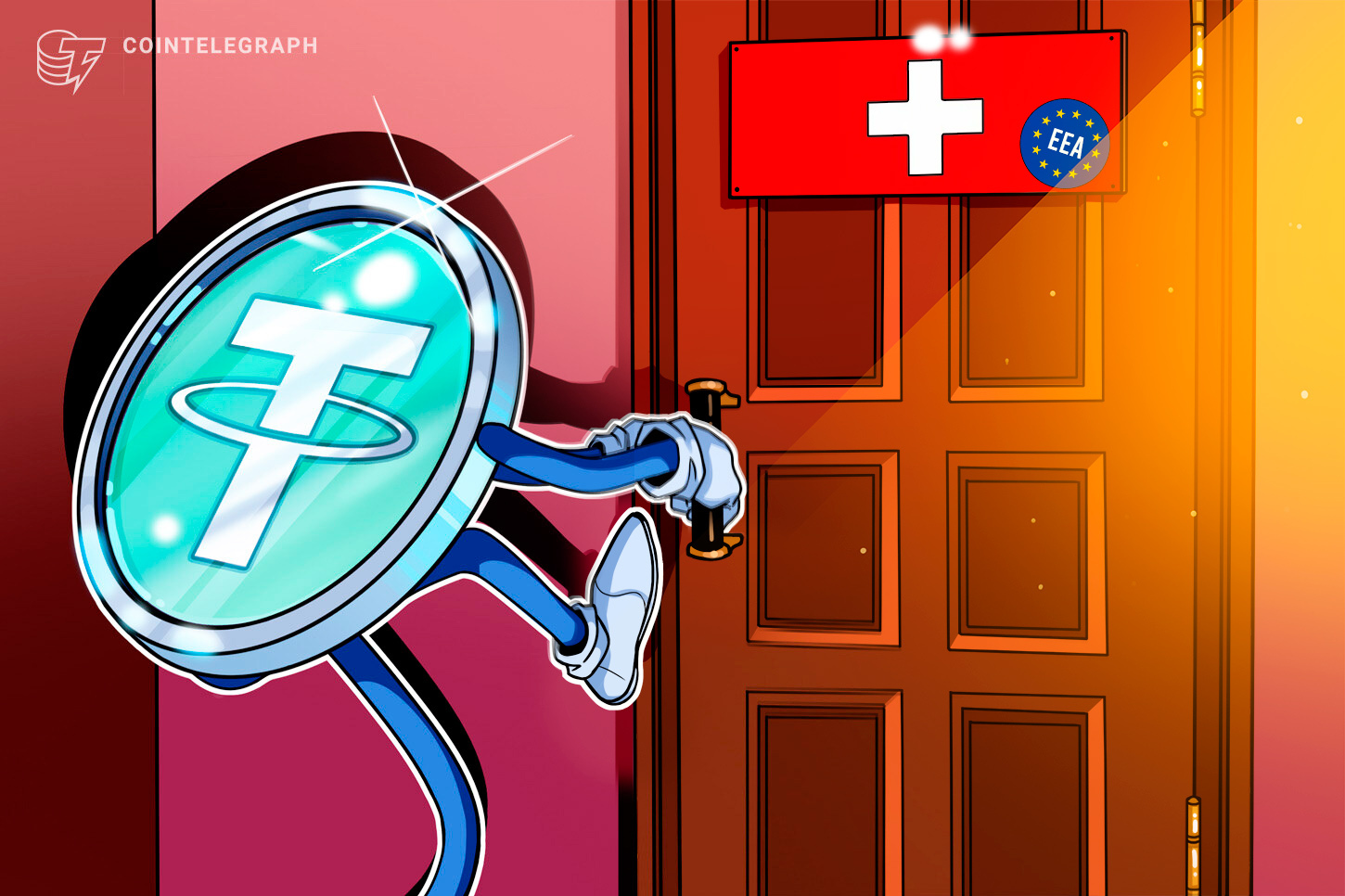
Revolut Delisting USDT: Only European and Swiss Users Affected
The primary driver behind this decision is the need to comply with the European Union's Markets in Crypto-Assets (MiCA) regulation. While the delisting creates friction for European users, the stablecoin support remains fully intact for the rest of the global market, ensuring that the impact is geographically contained.
