Ethereum's 54% Reward Cut Could Turn DeFi's Favorite Loop into a Daily Loss Machine

A newly proposed Ethereum Improvement Proposal (EIP-8361) would slash staking rewards by 54%, reducing validator yields from 2.6% to approximately 1.2%. This change, phased in over 18 months, implements a burn mechanism where validators lose a larger share of their consensus rewards as the total amount of staked ETH increases. The proposal threatens to turn DeFi's favorite mechanism into a 'daily loss machine,' potentially discouraging large-scale staking and impacting network security.
With the DeFi ecosystem heavily relying on staking for liquidity and validation, this significant reward reduction could reconfigure the economic incentive behind the world's largest smart contract platform. Investors and validators will need to reassess their strategies as Ethereum continues its development to scale and improve its energy efficiency.
This is a summarized and adapted version by Artificial Intelligence. To read the complete original story, visit the official source.
Read Full Article at CryptoSlateSupport Jornal Bitcoin
Independent journalism, curated by AI, no clickbait. Keep the flame alive with any amount of BTC.
jonata@walletofsatoshi.comDaily Crypto Brief 📬
Subscribe to receive the curation of the most important Bitcoin and crypto news, summarized by AI. No spam.
Join more than 10,000 smart readers.
Related News

On-Chain Options Challenge $21B Daily Perp Market, Reshaping Crypto Liquidity
This developing trend is fundamentally reshaping liquidity dynamics across the crypto ecosystem, providing a more efficient alternative to traditional selling or shorting perpetual contracts. With the ability to mitigate liquidation risks and funding costs, on-chain options are gaining significant traction among institutional investors and sophisticated traders, promising a more robust and resilient future for digital derivative markets.
Dogecoin (DOGE) Plunges to 3-Year Low, But Analysts Warn of Major Rally Ahead
The current DOGE situation highlights the inherent volatility of cryptocurrency markets, particularly for community-driven assets like Dogecoin. Traders and investors are closely monitoring price action at this historical support level, as a decisive break above this zone could trigger a substantial rally, potentially fueled by market sentiment and possible endorsements from influential figures in the crypto space. Meanwhile, the Dogecoin community remains optimistic, recalling past recoveries of the coin after periods of intense downturn.
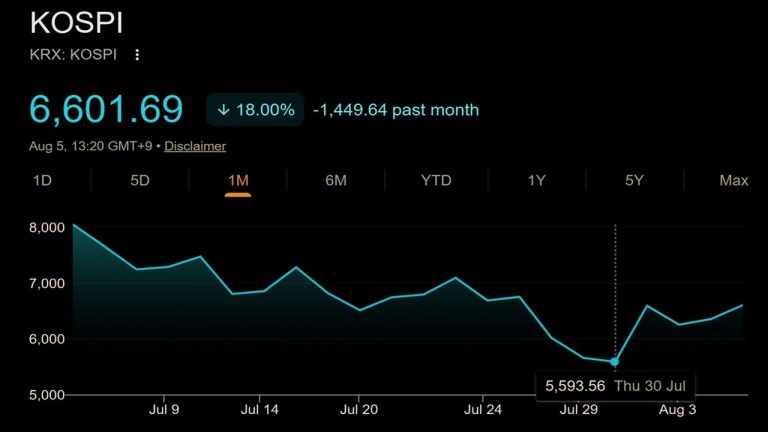
Korean Stock Market Crashed 33%, Then Surged 18%: Crypto Traders Still Broke
The KOSPI's July decline surpassed the monthly drops recorded during the 1997 Asian Financial Crisis, underscoring the severity of the situation. The remarkable recovery on the last day of the month was triggered by shocks in the semiconductor sector, yet wasn't enough to reverse the monthly damage. For cryptocurrency investors, this additional volatility in the traditional market only reinforces the challenges facing an industry already dealing with regulatory pressures and liquidity issues in Korea, one of the world's most significant crypto markets.

Ethereum Proposal Would Burn Staking Rewards to Zero if Half of ETH Is Staked
If implemented, this proposal would create a natural cap on staking participation, potentially preventing excessive centralization while maintaining security. The measure addresses growing concerns about ETH supply dynamics and the balance between stakers and non-stakers, with far-reaching implications for the entire DeFi ecosystem, staking services, and the long-term economic model of Ethereum.

Kazakhstan Returns to Yuan Debt Market with $500M Panda Bond Issue
The issuance of 'panda bonds' by Kazakhstan not only expands China's economic influence in Central Asia but may also influence the country's regulatory stance on cryptocurrencies. With growing financial dependence on China, Kazakhstan might reconsider its approach to cryptocurrency mining, which previously faced restrictions due to excessive energy consumption. This financial move reflects a broader trend of emerging nations seeking alternative funding sources and strengthening strategic partnerships with global powers in an ever-evolving economic landscape.