Crypto Briefing

Ethereum & Solana Shake Up Token Supply: The Numbers Are Shocking

August 8, 202601:26 PM
Ethereum & Solana Shake Up Token Supply: The Numbers Are Shocking

Ethereum and Solana are fundamentally rethinking their token supply mechanisms, with changes that could reshape their entire economic models and staking landscapes. These new supply policies are sending shockwaves through the crypto community, as analysts predict significant impacts on long-term token scarcity and validator incentives. These strategic adjustments come at a critical time for both blockchains as they compete for dominance in the DeFi and NFT ecosystems. The supply modifications could potentially increase the value of existing tokens, benefiting long-term holders, while also raising questions about centralization and economic sustainability.

This is a summarized and adapted version by Artificial Intelligence. To read the complete original story, visit the official source.

Read Full Article at Crypto Briefing
QR Code Lightning

Support Jornal Bitcoin

Independent journalism, curated by AI, no clickbait. Keep the flame alive with any amount of BTC.

Wallet of Satoshi
jonata@walletofsatoshi.com

Daily Crypto Brief 📬

Subscribe to receive the curation of the most important Bitcoin and crypto news, summarized by AI. No spam.

Join more than 10,000 smart readers.

Related News

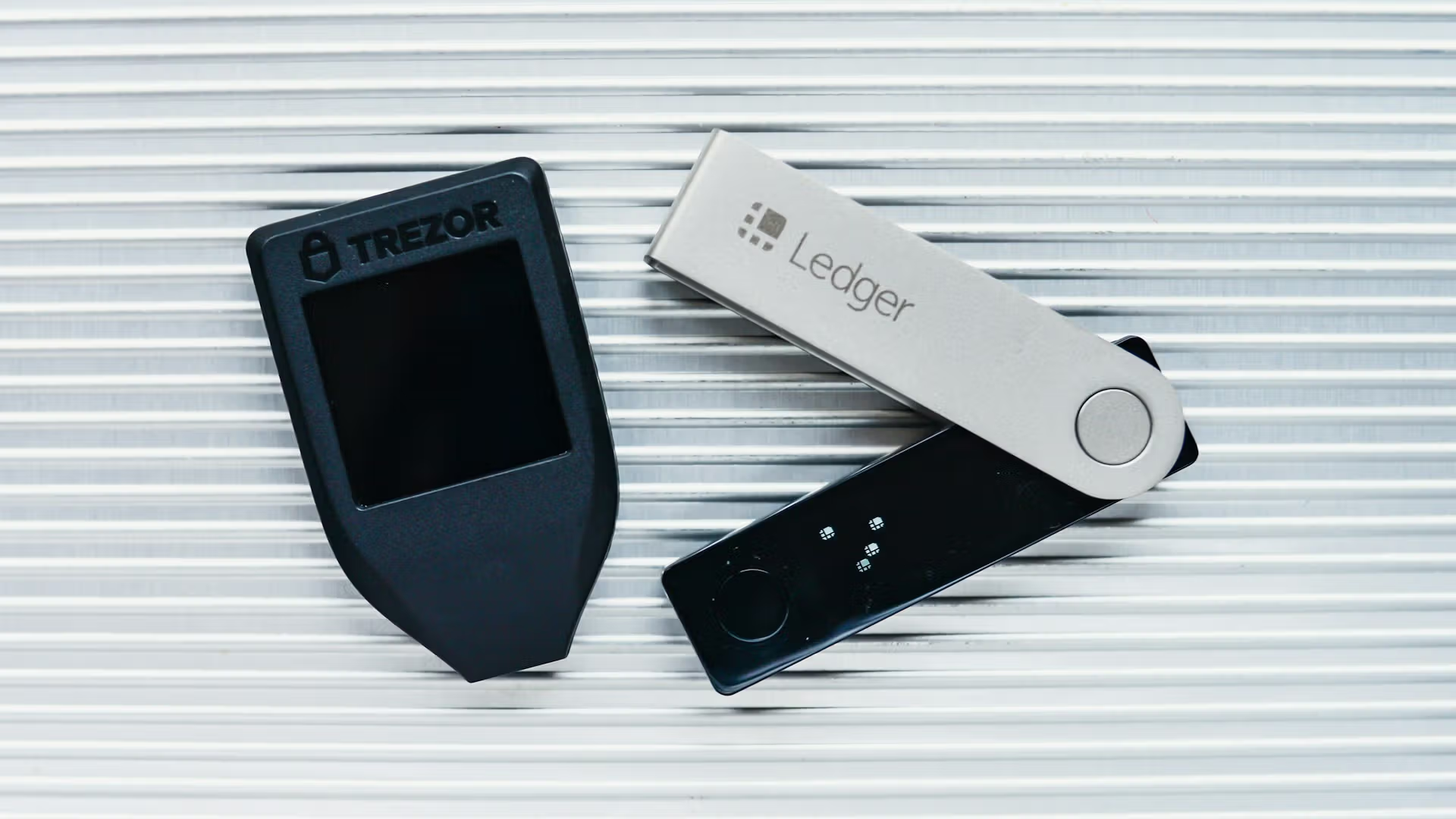
Hardware Wallet Sales in Russia More Than Double Amid New Crypto Regulations
Crypto Briefing

Hardware Wallet Sales in Russia More Than Double Amid New Crypto Regulations

Russia is experiencing a surge in hardware wallet adoption, with sales more than doubling ahead of new cryptocurrency regulations. This dramatic shift highlights how regulatory uncertainty is driving Russian investors toward self-custody solutions, seeking greater control over their digital assets in an evolving legal landscape. This trend extends beyond Russia's borders, reflecting a global movement toward decentralized financial control. As governments worldwide refine their crypto policies, users increasingly opt for self-custody solutions, underscoring the growing importance of security and individual financial sovereignty within the burgeoning cryptocurrency ecosystem.
Hardware Wallet Sales in Russia More Than Double as New Crypto Rules Approach
CoinDesk

Hardware Wallet Sales in Russia More Than Double as New Crypto Rules Approach

In a move that's shaking up the Russian cryptocurrency market, hardware wallet sales have more than doubled recently as new crypto regulations approach. Major retailers like Wildberries and M.Video are witnessing a significant surge in demand for offline storage devices, with average hardware wallet prices dropping 13% to 7,900 rubles.

This surge in hardware wallet demand comes at a critical time for Russia's crypto ecosystem, as authorities prepare to implement new rules that could directly impact how Russians trade and store digital assets. The expansion of product offerings by retailers like M.Video suggests this isn't just a fleeting trend but rather a preparation for a significant shift in the country's cryptocurrency market.

USDC Loses $1.5B in Circulation as Stablecoin Liquidity Dries Up
Crypto Briefing

USDC Loses $1.5B in Circulation as Stablecoin Liquidity Dries Up

USD Coin (USDC) has experienced a staggering $1.5 billion reduction in circulation over the past 30 days, signaling a significant tightening in stablecoin market liquidity. This decrease comes despite rising transaction volumes, suggesting potential shifts in market confidence and liquidity dynamics that could reshape the crypto landscape. The USDC contraction occurs amid increasing crypto market volatility, as investors reassess their stablecoin holdings. This liquidity reduction could have profound implications for the DeFi ecosystem and overall market stability, potentially impacting the ability to execute large-scale operations and increasing pressure on other stablecoins to fill the void left by USDC's shrinking supply.
Bitcoin Red Team: AI Is Finding Critical Exploits in Core Bitcoin Projects
Decrypt★ Featured

Bitcoin Red Team: AI Is Finding Critical Exploits in Core Bitcoin Projects

The volunteer security initiative, Bitcoin Red Team, has scanned 150 Bitcoin repositories and disclosed over a dozen critical vulnerabilities. The team is building an open-source AI platform to automate software security reviews, marking a significant advancement in protecting the Bitcoin ecosystem.

These discoveries highlight the growing importance of security in cryptocurrency projects and how artificial intelligence can accelerate the detection of flaws before they become exploits. The open approach of the platform will allow developers across the entire Bitcoin ecosystem to benefit from these advanced security tools, strengthening the overall resilience of the network against emerging threats.

Four Years After FTX, Crypto Exchanges Still Show Proof of Reserves Without Proving Solvency
CryptoSlate★ Featured

Four Years After FTX, Crypto Exchanges Still Show Proof of Reserves Without Proving Solvency

Four years after the FTX collapse, major cryptocurrency exchanges continue to provide proof of reserves to customers without actually demonstrating solvency. These technically sound verifications, typically involving Merkle trees and balance confirmations, create a false sense of security for users, reminding us of the vulnerabilities that led to the biggest bankruptcy in crypto history.

The current landscape reveals a critical transparency gap in the crypto ecosystem, where proof of reserves functions as a marketing tool rather than a genuine financial health guarantee. Investors and users must understand that a simple confirmation of inclusion in a dataset doesn't protect against insolvency risks, repeating the mistakes that cost the market billions of dollars and undermined trust in the cryptocurrency sector.
Bybit Unleashes RICO Lawsuit on North Korea Over $1.5B Hack
Bitcoin.com★ Featured

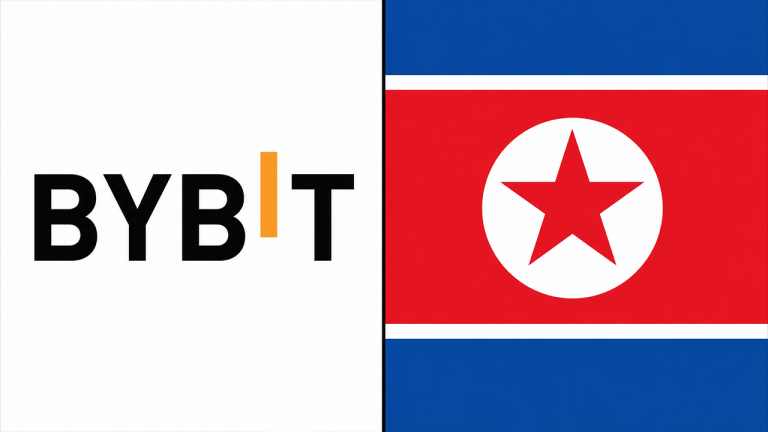
Bybit Unleashes RICO Lawsuit on North Korea Over $1.5B Hack

The cryptocurrency exchange Bybit has filed a landmark lawsuit against North Korea in U.S. federal court over last year's record-breaking $1.5 billion hack. The company submitted the civil lawsuit under seal on June 18, 2026, in the U.S. District Court for the District of Columbia, which became public this week. The suit names the Democratic People's Republic of Korea as the defendant, marking a pivotal moment in the fight against cybercrimes in the cryptocurrency sector.

This case represents an unprecedented legal offensive in the cryptocurrency sector against a nation-state accused of large-scale financial cyberattacks. The lawsuit utilizes the RICO Act (Racketeer Influenced and Corrupt Organizations Act), typically reserved for criminal organizations, against a sovereign government. The case could set precedents for other exchanges and victims of state-sponsored hacks, establishing new boundaries in holding nations accountable for cyber activities targeting the cryptocurrency industry. Bybit is seeking financial compensation and accountability for the security breach that resulted in the massive loss of digital assets.

Jornal Bitcoin Logo