FIFA Scandal: Balogun’s Red Card Overturned Following Trump Intervention

The integrity of global football is facing a massive crisis after FIFA suspended Balogun’s red card following a direct intervention by Donald Trump. This unprecedented move has ignited a firestorm regarding World Cup governance and the dangerous intersection of high-level politics and sports officiating.
This controversy threatens to undermine the perceived fairness of international competitions. As political influence appears to sway technical decisions, the long-term trust of global partners and fans in future tournaments and major partnerships faces a significant and potentially permanent threat.
FIFA has moved to suspend the red card issued to Balogun, a decision that has taken on explosive political dimensions following reports of an intervention by Donald Trump. The move has sparked intense debate over the autonomy of sporting decisions and the influence of global political figures on the pitch.
FIFA's decision raises serious concerns about the integrity of World Cup governance, potentially affecting trust in future tournaments and commercial partnerships. The central question remains: how much political pressure can the world's most prestigious sporting body withstand before its credibility is lost?
This is a summarized and adapted version by Artificial Intelligence. To read the complete original story, visit the official source.
Read Full Article at Crypto BriefingSupport Jornal Bitcoin
Independent journalism, curated by AI, no clickbait. Keep the flame alive with any amount of BTC.
jonata@walletofsatoshi.comDaily Crypto Brief 📬
Subscribe to receive the curation of the most important Bitcoin and crypto news, summarized by AI. No spam.
Join more than 10,000 smart readers.
Related News
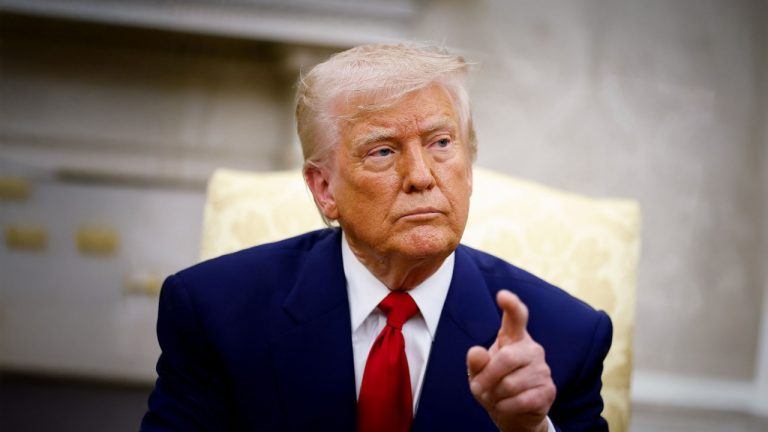
‘I’m a Big Crypto Guy’: Trump Signals Bitcoin Integration for New Trump Accounts
The potential inclusion of Bitcoin within Trump-branded financial products could bridge the gap between traditional finance and the decentralized economy. As Trump continues to leverage his influence, this shift suggests a massive tailwind for Bitcoin adoption and could fundamentally reshape the regulatory landscape for crypto assets in the United States.
Trump Meets NATO Leaders in Turkey: High-Stakes Debate Over Defense Spending and Ukraine Strategy
This high-level meeting in Ankara could fundamentally reshape global alliances and international security frameworks. As the alliance debates its next moves, the resulting decisions will carry massive implications for global economic stability and the shifting landscape of modern warfare.

Pochettino Stays Silent: US Soccer Faces Uncertainty as World Cup Deadline Nears
Experts warn that Pochettino's indecision could significantly impact the long-term strategy of the federation, potentially undermining team stability and international competitiveness. The outcome of these discussions will dictate whether the US can maintain a consistent trajectory toward global football dominance.
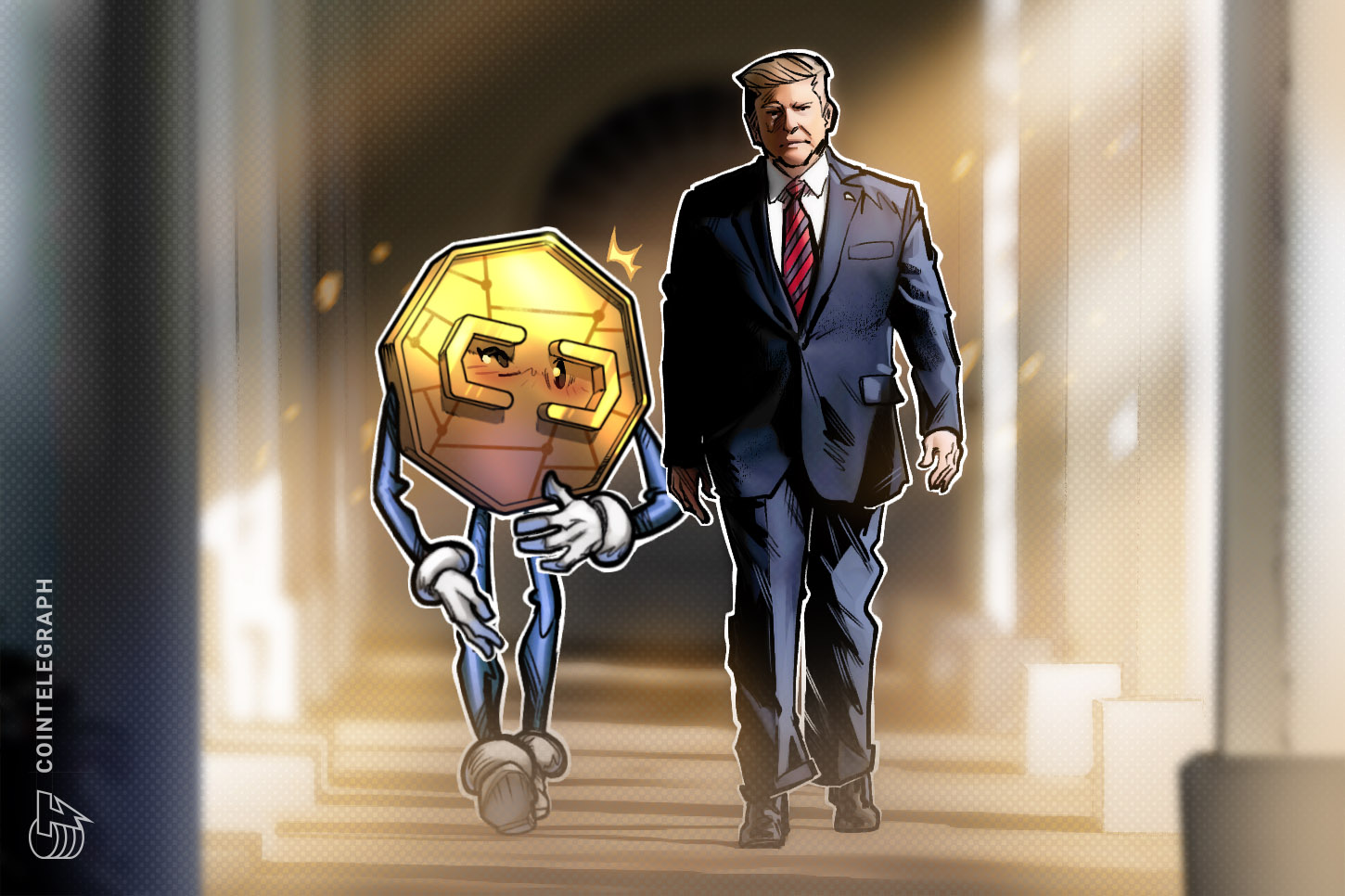
Trump's Crypto Pivot: 'If we don't have it, China will', says former President
This strategic shift underscores the growing influence of the crypto industry on US domestic and foreign policy. By framing Bitcoin adoption as a race against global competitors, Trump is positioning the crypto market not just as a financial tool, but as a critical frontier for maintaining American technological and economic supremacy.
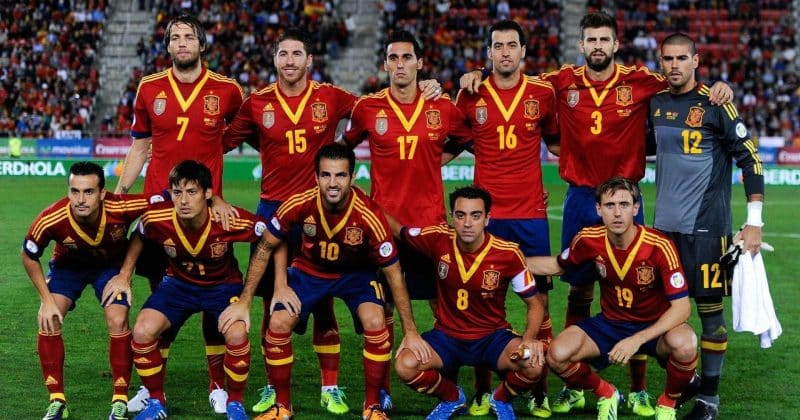
Streaming Revolution: DAZN Embeds Blockchain Prediction Markets into World Cup Broadcast
This integration of blockchain in sports streaming could revolutionize fan engagement and legitimize prediction markets on a global scale. As these decentralized tools become mainstream, they are expected to heavily impact global regulations surrounding digital betting and media consumption.
FIFA Scandal: Trump-Influenced Decision Knocks US Out of World Cup
Beyond the pitch, the fallout highlights a significant shift in market expectations and the potential for political volatility to disrupt established governance structures. As the connection to Trump-influenced decision-making surfaces, the incident underscores the fragility of impartiality in major international organizations.
