Russia Strikes Dnipropetrovsk: Escalating Conflict and New Strategic Projections

Geopolitical tensions have surged following Russian strikes on the Dnipropetrovsk region, leaving five individuals wounded and intensifying the ongoing conflict. This military escalation serves as a critical signal for global stability, heightening the risk profile for international markets and energy security.
Looking ahead, intelligence-based projections suggest an 18% probability of Russian forces entering Sloviansk by December 31, 2026. As the conflict evolves, the potential for long-term warfare continues to drive market volatility, forcing investors to weigh the impact of geopolitical unrest on digital assets and traditional finance.
Russia has launched strikes on the Dnipropetrovsk region, wounding five people amid the ongoing conflict. Amidst the tactical shifts on the ground, predictive models indicate an 18% chance of Russia entering Sloviansk by December 31, 2026. The situation remains highly fluid, with significant implications for regional security and global market sentiment.
This is a summarized and adapted version by Artificial Intelligence. To read the complete original story, visit the official source.
Read Full Article at Crypto BriefingSupport Jornal Bitcoin
Independent journalism, curated by AI, no clickbait. Keep the flame alive with any amount of BTC.
jonata@walletofsatoshi.comDaily Crypto Brief 📬
Subscribe to receive the curation of the most important Bitcoin and crypto news, summarized by AI. No spam.
Join more than 10,000 smart readers.
Related News
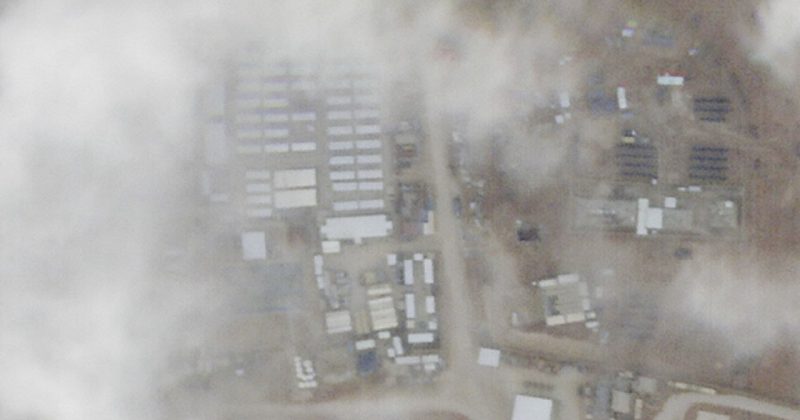
Middle East Escalation: Iran Strike Kills US Soldier in Jordan, Pentagon Confirms
With a full airspace closure looming by August 31, the implications for global logistics and market stability are profound. As geopolitical risk surges, the crypto market and traditional financial sectors must brace for increased volatility driven by the potential for a broader military conflict.

Geopolitical Escalation: US Forces Strike Iran’s Hormozgan Province Amid Strait of Hormuz Tensions
As the conflict intensifies, market speculation regarding a potential US invasion of Iran before 2027 has reached a 27.5% probability threshold. Such geopolitical instability often triggers massive shifts in risk appetite, impacting both traditional markets and the broader crypto ecosystem.
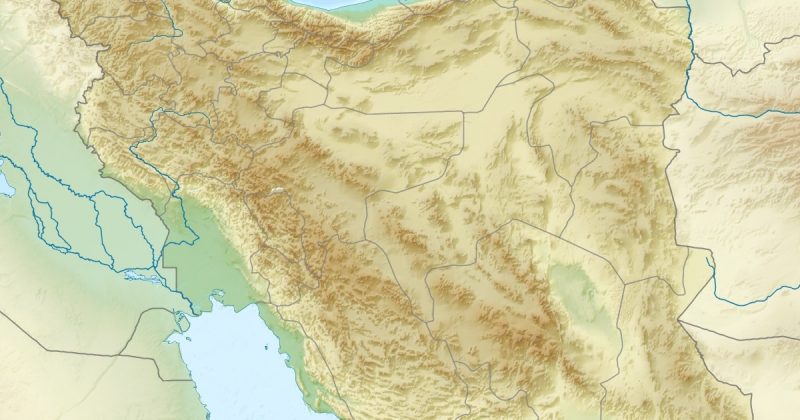
Geopolitical Flashpoint: US Airstrike in Iran Triggers Airspace Closure Warnings
Data suggests a significant disruption to aviation, with airspace closure probabilities reaching 28.5% by July 31 and potentially climbing to 43.5% by August 31. The looming threat of restricted airspace and prolonged conflict creates a high-uncertainty environment for global trade and digital asset markets.
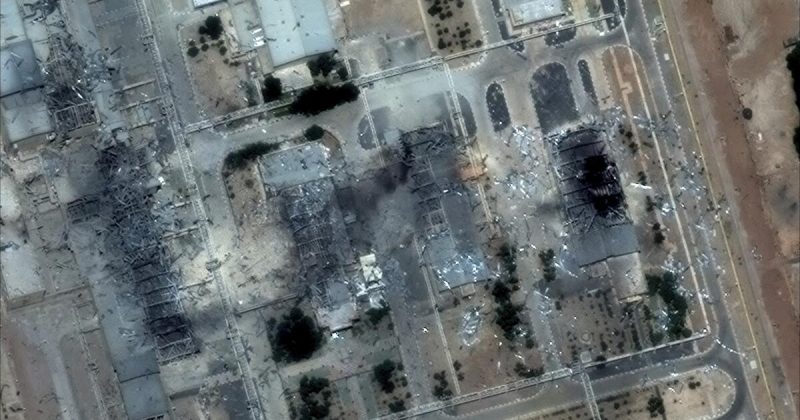
Geopolitical Flashpoint: US Strikes Iranian Military Sites to Secure Strait of Hormuz
As military tensions escalate, the focus remains on the security of vital trade routes that underpin the global economy. Investors and crypto enthusiasts should monitor these developments closely, as heightened geopolitical risk often triggers significant volatility across both traditional and digital asset markets.

Gold Surge Drives Canadian Stocks Higher Amid US Tariff Threats
Market sentiment remains bullish with aggressive forecasts suggesting gold could hit $4,600 by July 2026. This projected surge underscores a growing demand for gold as a hedge against geopolitical instability and potential trade wars triggered by US protectionist policies.
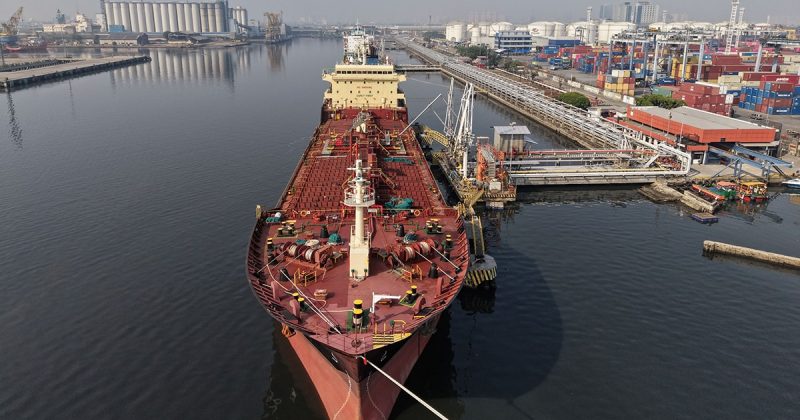
Goldman Sachs Warning: Brent Crude Could Skyrocket to $120 Amid Hormuz Disruptions
With a 45.1% probability of WTI hitting $90 in July, the market is bracing for significant shifts. Persistent tensions in critical maritime corridors could drive massive inflationary pressure and force a rapid reassessment of risk across both commodity and traditional financial markets.
