War Escalation: Iran Strikes US Assets in Kuwait, Triggering Global Market Fears

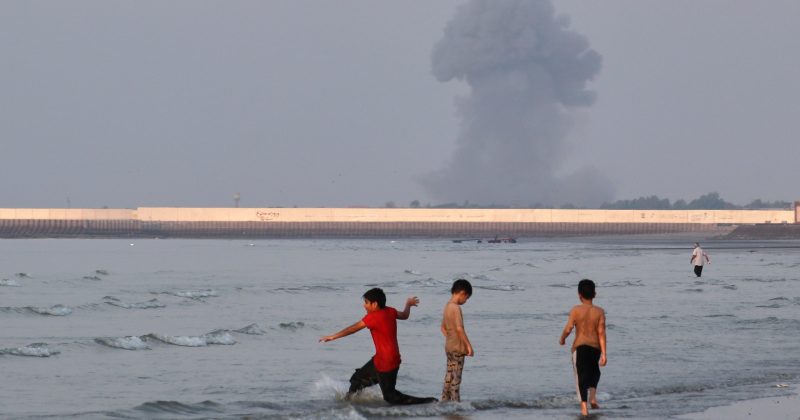
Geopolitical tensions have reached a breaking point following Iranian drone and missile strikes targeting US assets in Kuwait. This direct aggression represents a critical escalation of the 2026 war, significantly increasing the likelihood of a broader regional conflict that could draw in major global powers.
Beyond the immediate military impact, this escalation threatens to destabilize Gulf states and trigger massive volatility across global markets. The ongoing hostilities create a high-risk environment for international trade and financial stability, forcing a reevaluation of risk management in both traditional and crypto sectors.
Iran has launched drone and missile strikes against US assets in Kuwait, marking a significant escalation in the 2026 war. This move heightens regional tensions, potentially destabilizing Gulf states and influencing global markets amid ongoing hostilities. The international community remains on high alert as the risk of a wider regional conflagration grows.
This is a summarized and adapted version by Artificial Intelligence. To read the complete original story, visit the official source.
Read Full Article at Crypto BriefingSupport Jornal Bitcoin
Independent journalism, curated by AI, no clickbait. Keep the flame alive with any amount of BTC.
jonata@walletofsatoshi.comDaily Crypto Brief 📬
Subscribe to receive the curation of the most important Bitcoin and crypto news, summarized by AI. No spam.
Join more than 10,000 smart readers.
Related News

Gold Holds Steady at $4,050 as US Inflation Data Cools Fed Rate Hike Fever
This stability underscores the enduring importance of gold as a premier hedge against inflation and ongoing geopolitical uncertainties. As the Federal Reserve recalibrates its stance, the metal continues to serve as a critical anchor for capital preservation in a volatile macro environment.

Geopolitical Shockwave: Unverified Strikes Near Bampur Fuel US-Iran Military Tensions
Beyond the immediate threat of conflict, the potential for widespread instability could trigger massive shifts in global liquidity and market sentiment. As the situation evolves, the lack of verified data regarding the Bampur strikes remains a primary driver of volatility, threatening to disrupt traditional and digital asset classes alike.

Polymarket Chaos: Iran Invasion Odds Surge to 19.5% Following Kish Strike Reports
This sudden spike highlights the sensitivity of decentralized prediction markets to breaking news and military developments. As rumors of strikes spread, the market acts as a real-time barometer for global instability, turning geopolitical uncertainty into high-stakes speculative opportunities.
Geopolitical Shockwave: Trump Closes Strait of Hormuz, Pivoting to Pipeline Alternatives
The strategic pivot to pipeline alternatives may stabilize oil markets by reducing reliance on the Strait of Hormuz and easing supply concerns. As the world looks toward new infrastructure, this shift could redefine energy logistics and mitigate the risks of sudden supply shocks in the global economy.

Bitcoin Bear Market Nearing the End: Is a Massive Recovery Imminent?
Despite this bullish outlook, macro factors continue to pose a significant threat to price action. Investors must closely monitor the upcoming June CPI data and escalating geopolitical tensions, as these variables could create headwinds that delay a broader market rally and increase volatility.

Geopolitical Crisis: Iran Vows 'Disproportionate Response' to US Strikes, Warns of Regret
With diplomatic prospects rapidly diminishing, the fallout from this confrontation threatens to destabilize global economic and political dynamics. The potential for sudden shifts in energy markets and geopolitical alliances makes this a high-stakes situation for global stakeholders.
