Geopolitical Escalation: US Strikes Key Iranian Bridges, Heightening Tensions in Hormozgan

The global geopolitical landscape has been shaken by US military strikes targeting critical bridges in Iran's Hormozgan province. This direct escalation signals a dangerous shift in regional stability, threatening vital trade routes and potentially triggering massive volatility across global financial markets and crypto assets.
As tensions mount, market sentiment is already reacting to the heightened risk of large-scale conflict. Current projections suggest a 5.5% probability of a formal war declaration by December 31, 2026, forcing investors to brace for significant geopolitical shocks and sudden market shifts.
In a move that significantly raises global risk levels, US forces have struck strategic bridges within the Hormozgan province of Iran. By targeting these key pieces of infrastructure, the US aims to disrupt regional logistics, a move that has immediately escalated tensions between the two nations.
The consequences of these strikes extend far beyond military maneuvers, impacting global economic stability. Market data currently reflects a 5.5% probability of a formal declaration of war by December 31, 2026, highlighting the growing systemic risk perceived by analysts in the face of this escalating Middle East crisis.
This is a summarized and adapted version by Artificial Intelligence. To read the complete original story, visit the official source.
Read Full Article at Crypto BriefingSupport Jornal Bitcoin
Independent journalism, curated by AI, no clickbait. Keep the flame alive with any amount of BTC.
jonata@walletofsatoshi.comDaily Crypto Brief 📬
Subscribe to receive the curation of the most important Bitcoin and crypto news, summarized by AI. No spam.
Join more than 10,000 smart readers.
Related News

Market Shakeup? $1.2B in Bitcoin Options Set to Expire Today!
As spot markets show signs of steady progress, the expiration of these derivatives could trigger significant liquidations or sudden shifts in momentum. Understanding the interplay between these options and spot price action is essential for navigating the immediate market landscape.

DeepSeek Secures $7.4B in Massive Funding Round to Take on OpenAI and Anthropic
By leveraging this significant funding, DeepSeek aims to execute an aggressive global expansion strategy centered on disruptive pricing models. The company's mission is to challenge the current market leaders by offering more competitive alternatives, potentially shifting the entire economic structure of the global AI industry.

Global Chaos: Iranian Revolutionary Guard Halts Oil Exports, Sending Energy and Crypto Markets into Turmoil
Beyond the immediate energy crisis, this geopolitical shift highlights the critical impact of Iran's $3B crypto sanctions. As tensions rise, the intersection of energy scarcity and digital asset restrictions is creating a high-stakes environment, forcing market participants to navigate a landscape where geopolitical instability directly dictates asset pricing and liquidity.

Geopolitical Flashpoint: US Marines Board Tanker Amid Iranian Port Blockade
Despite the immediate friction, maritime intelligence suggests that traffic through the Strait of Hormuz is expected to normalize by July 31, with a narrow 0.9% variance. Investors and analysts are closely monitoring these geopolitical shifts, as sudden disruptions in energy corridors often trigger massive liquidity movements across both traditional and crypto markets.
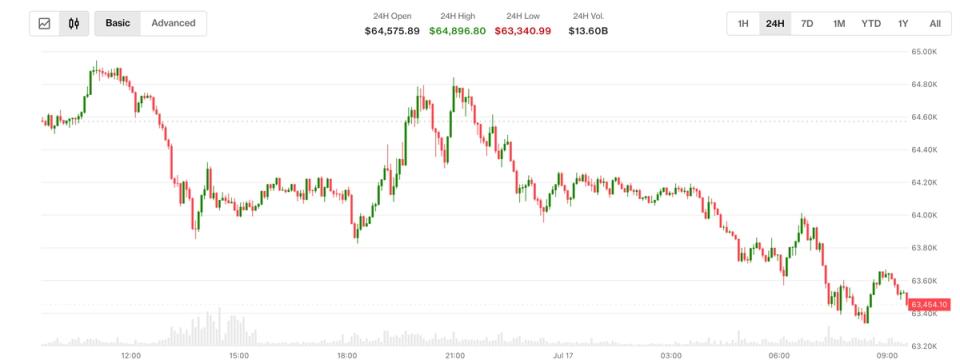
Bitcoin Drops Below $64,000 as U.S. Strikes on Iran and Trump's China Comments Fuel Panic
Adding to the volatility, recent comments from Donald Trump regarding China have stoked fears of renewed U.S.-China frictions. As investors brace for potential trade wars or diplomatic fallout, the uncertainty is driving a flight from volatile assets, leaving Bitcoin and other digital assets struggling to maintain support levels.
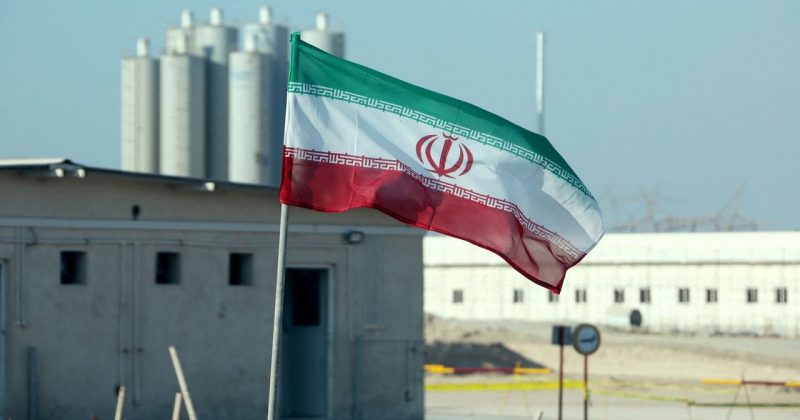
Iran's Power Crisis Puts $7.8B Crypto Ecosystem at Risk
As energy stability falters, the impact on the global Bitcoin mining landscape could be significant. This intersection of geopolitical conflict and energy scarcity highlights the growing vulnerability of digital asset infrastructure to state-level kinetic warfare and power grid instability.
