Geopolitical Escalation: US Forces Strike Iran’s Hormozgan Province Amid Strait of Hormuz Tensions

Global tensions have spiked following reports of US forces striking Iran's Hormozgan Province. This strategic strike occurs amidst heightened volatility in the Strait of Hormuz, a critical maritime chokepoint for global energy supplies and international trade.
As the conflict intensifies, market speculation regarding a potential US invasion of Iran before 2027 has reached a 27.5% probability threshold. Such geopolitical instability often triggers massive shifts in risk appetite, impacting both traditional markets and the broader crypto ecosystem.
US forces have struck Iran's Hormozgan Province, escalating tensions within the Strait of Hormuz. This development comes amid heightened regional instability, with predictive models suggesting a 27.5% chance of a full-scale US invasion of Iran before 2027. Analysts are closely watching the situation for its implications on global security and market stability.
This is a summarized and adapted version by Artificial Intelligence. To read the complete original story, visit the official source.
Read Full Article at Crypto BriefingSupport Jornal Bitcoin
Independent journalism, curated by AI, no clickbait. Keep the flame alive with any amount of BTC.
jonata@walletofsatoshi.comDaily Crypto Brief 📬
Subscribe to receive the curation of the most important Bitcoin and crypto news, summarized by AI. No spam.
Join more than 10,000 smart readers.
Related News
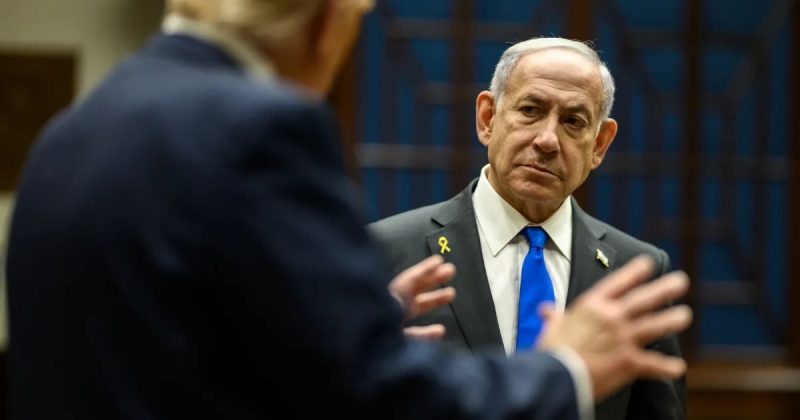
Diplomatic Firestorm: NYC Mayor Demands Netanyahu's Arrest Over ICC Warrant
This escalation highlights the growing friction between global judicial mandates and domestic political interests. As the world watches, the potential enforcement—or refusal—of the ICC warrant could redefine the relationship between the United States and international legal institutions, creating significant geopolitical ripples.
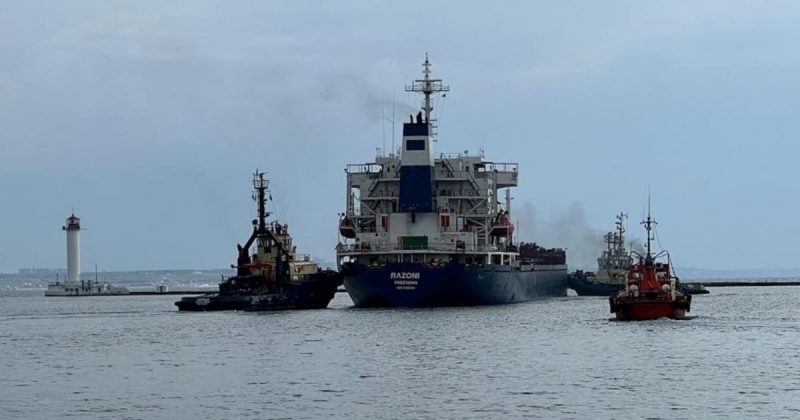
Black Sea Escalation: Russian Strikes Hit Ukrainian Ports, Damaging Vessels
As the conflict evolves, predictive models suggest a potential timeline for Ukraine to recapture Crimea by December 31, 2026, albeit with an 8.5% probability. The damage to Ukrainian ports serves as a critical indicator of the ongoing volatility and the shifting tactical landscape in the Black Sea region.

Geopolitical Chess: Rubio to Meet China’s Wang Yi at ASEAN Amid US-China Summit Talks
The implications of this meeting extend far beyond bilateral politics, influencing global market stability and long-term strategic forecasting. With sentiment indicators suggesting a 93% probability of Xi Jinping visiting the US before 2027, the dialogue at ASEAN could be the catalyst for a significant shift in international economic relations.
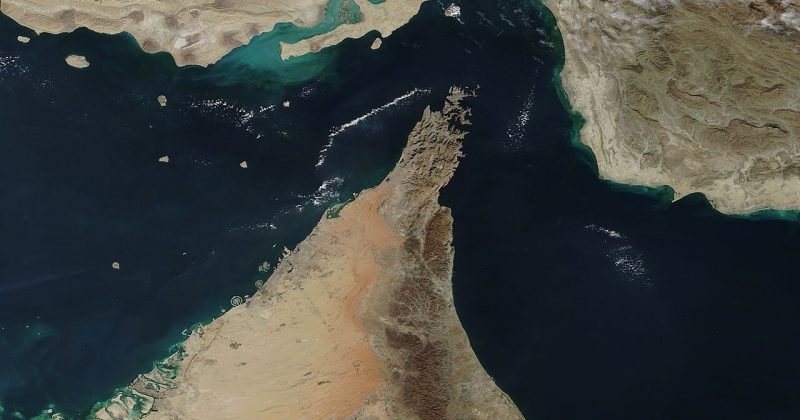
Geopolitical Tension: US Remains Open to Iran Talks Amid Energy Chokepoint Disruptions
Market volatility is expected to spike as discussions evolve, particularly with attention focused on the potential end of the Iranian blockade by August 2026. The disruption of critical energy chokepoints remains a primary concern for investors, who are closely monitoring how these diplomatic tensions will influence global liquidity and economic stability.
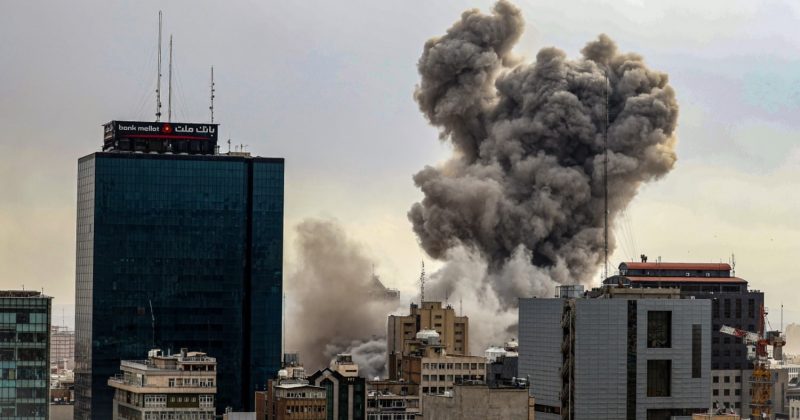
Middle East Escalation: Iranian Drones Strike U.S. Army Equipment in Kuwait
Beyond the immediate battlefield, this strike on U.S. military assets could trigger massive volatility across global markets and the crypto sector, as investors react to heightened geopolitical instability. The deployment of Iranian drones in a strategic corridor underscores the growing unpredictability of the Middle East and its potential to disrupt international security and energy flows.
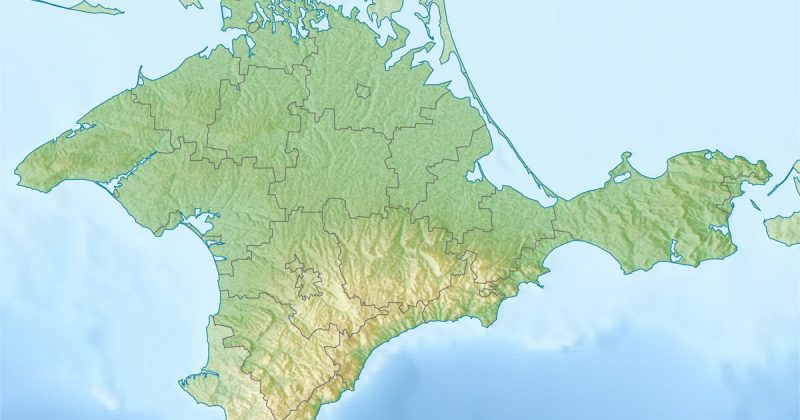
Chaos in Russia and Crimea: Ukrainian Attacks Trigger Fires and Power Outages
Beyond the immediate tactical damage, these developments fuel long-term geopolitical forecasting, including a calculated 8.5% probability that Ukraine could recapture Crimea by December 31, 2026. As the conflict intensifies, the potential for prolonged instability continues to shape global risk assessments and market sentiment.
