Middle East Chaos: US-Iran Escalation Sends Oil Soaring and Threatens Global Economy
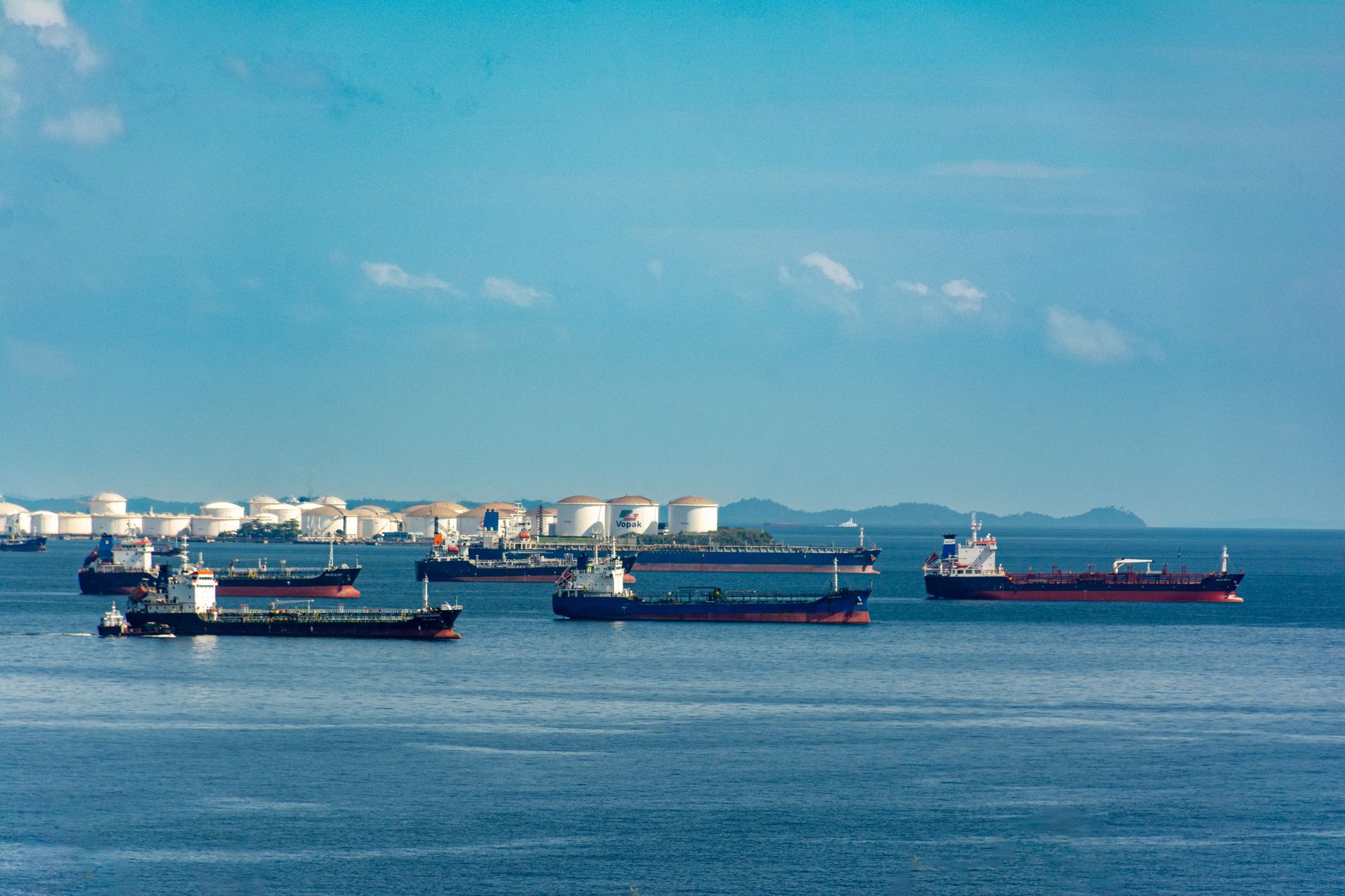
The geopolitical landscape has reached a breaking point as tensions between the United States and Iran escalate through targeted attacks on bridges, power plants, and vessels. This military friction has already triggered a 3% surge in Brent crude prices, demonstrating how sensitive global markets are to Middle East instability.
Experts are warning of a massive disruption in the Strait of Hormuz, a critical chokepoint for the world's energy supply. Any significant blockage in this corridor could paralyze global trade, driving up energy costs and creating a severe shockwave across the global economy and international financial markets.
The escalation of tensions between the United States and Iran has reached a dangerous new level. Reports of coordinated attacks against bridges, power plants, and merchant ships are widening the scope of a potential direct conflict between Washington and Tehran. In immediate response, Brent crude oil surged by 3%, reflecting market fears of supply shortages.
This is a summarized and adapted version by Artificial Intelligence. To read the complete original story, visit the official source.
Read Full Article at BlockTrendsSupport Jornal Bitcoin
Independent journalism, curated by AI, no clickbait. Keep the flame alive with any amount of BTC.
jonata@walletofsatoshi.comDaily Crypto Brief 📬
Subscribe to receive the curation of the most important Bitcoin and crypto news, summarized by AI. No spam.
Join more than 10,000 smart readers.
Related News

Geopolitical Flashpoint: US Air Strikes Target Iran’s Hormozgan Province
Speculative data points to a 31.5% probability of a full airspace closure by July 31, signaling a potential escalation of hostilities. With further projections suggesting a 10.5% chance of regime change by the end of 2026, the intersection of geopolitical instability and global finance remains a critical area for high-stakes monitoring.

Larry Fink Turns Bullish as CFTC Intervenes with Kalshi: Crypto Weekly Review
Macroeconomic volatility took center stage as geopolitical tensions involving Iran and Trump's remarks sent shockwaves through both oil and Bitcoin markets. From Michael Saylor's massive $3 billion cash buffer strategy to Tim Draper's reflections on Coinbase, the week provided a masterclass in navigating market stress and institutional adoption.
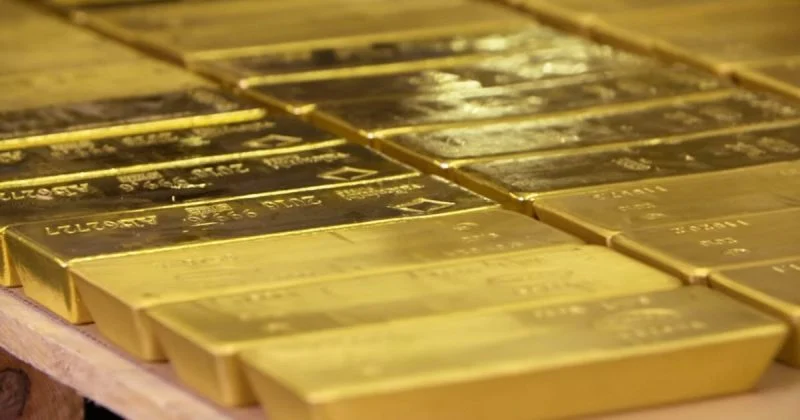
De-dollarization Alert: France Reportedly Moves $15B in Gold Out of US Vaults
For Bitcoin and crypto investors, this geopolitical tension underscores the growing demand for decentralized assets. As traditional nations re-evaluate their gold reserves and currency dependencies, the role of crypto as a hedge against systemic financial shifts becomes increasingly prominent in the global market.

Geopolitical Clash: China Demands Protection for $1.6B Investment Following UK's British Steel Nationalization
This escalating tension highlights the growing risks surrounding foreign capital in strategic industries. The fallout from the British Steel nationalization could set a significant precedent for international trade relations, potentially chilling future cross-border investments between China and Western nations.
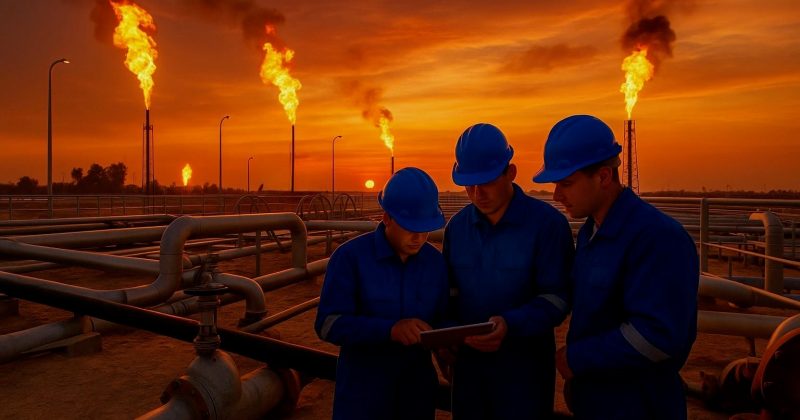
Energy Power Play: Iraq Signs $60B Deals with US and UK Oil Giants
Beyond the immediate financial scale, these agreements carry heavy macro implications for global energy security and geopolitical stability. As Washington builds its strategic corridor, the integration of Western oil majors into Iraq's energy infrastructure sets the stage for long-term economic and political realignment in the Middle East.

GCC Condemns Iranian Attacks on Bahrain, Kuwait, and Jordan, Citing War Crimes
As geopolitical tensions rise in the Middle East, the impact on digital asset markets remains a primary concern for institutional investors. The direct confrontation between Iran and Gulf states creates a high-risk environment, where sudden shifts in geopolitical stability often trigger massive liquidations and a flight to liquidity within the cryptocurrency ecosystem.
