Geopolitical Flashpoint: US Strikes IRGC Sites on Kish Island, Fueling Global Unrest

Global stability has been shaken following US military strikes targeting IRGC sites on Kish Island. This direct confrontation marks a dangerous escalation in US-Iran tensions, significantly increasing the likelihood of a broader regional conflict that could reshape Middle Eastern politics.
Beyond the immediate military implications, the strike threatens to destabilize global markets and disrupt critical diplomatic relations. Investors should prepare for heightened volatility as the geopolitical risk premium rises, potentially impacting everything from energy prices to the broader macroeconomic landscape.
In a move that threatens to ignite a larger regional conflict, the United States has launched attacks against IRGC-controlled sites on Kish Island. This escalation comes amid already heightened tensions, signaling a significant shift in the military posture of the US toward Iran.
The consequences of this strike extend far beyond the borders of the Middle East. Experts warn that such direct military action risks destabilizing global markets and causing massive shifts in diplomatic relations, creating a high-uncertainty environment for international trade and financial stability.
This is a summarized and adapted version by Artificial Intelligence. To read the complete original story, visit the official source.
Read Full Article at Crypto BriefingSupport Jornal Bitcoin
Independent journalism, curated by AI, no clickbait. Keep the flame alive with any amount of BTC.
jonata@walletofsatoshi.comDaily Crypto Brief 📬
Subscribe to receive the curation of the most important Bitcoin and crypto news, summarized by AI. No spam.
Join more than 10,000 smart readers.
Related News
Market Alert: Undervalued Yuan Widens EU Trade Deficit, Warns Deutsche Bank
This ongoing disparity is expected to prompt potential policy shifts and heightened geopolitical tensions between China and the EU. Market participants should prepare for increased volatility in global currency dynamics and potential regulatory responses aimed at addressing these structural trade imbalances.
Middle East Tension: China’s Crude Oil Imports Plunge to Decade-Low
This trend is expected to reshape global energy markets by exerting significant pressure on oil prices and potentially accelerating the global shift towards alternative energy sources. As China seeks to hedge against geopolitical risks, the resulting market volatility could provide the necessary momentum for a faster transition to renewable and decentralized energy infrastructures.
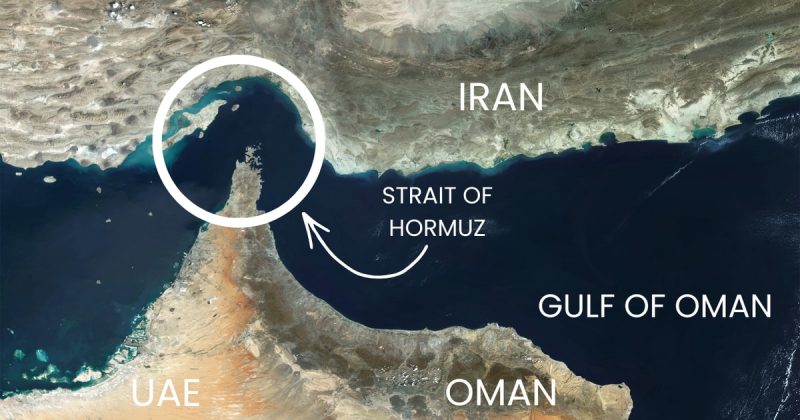
Iran Conflict Escalates: Strait of Hormuz Threatens Global Oil Supply
Beyond the immediate energy crisis, the potential disruption of oil flows threatens broader economic stability and could force a massive shift in global trade patterns. As the situation evolves, the impact on oil prices and the resulting economic consequences remain a primary concern for global financial institutions.

Fed Pivot Alert: Polymarket Odds for July Hold Drop as CPI Fever Rises
As inflation data looms, FX desks report the yen is currently consolidating while dollar bulls maintain a cautious stance. The convergence of inflation metrics and Fed-linked headlines is expected to drive intense volatility across traditional forex markets and the broader crypto landscape.

99.95% Certainty? Polymarket Odds Explode for Iran-Gulf Conflict Following Trump Remarks
Trump's warning of another 'major attack' has sent shockwaves through prediction markets, signaling a massive shift in perceived geopolitical risk. As the deadline approaches, the market's near-certainty reflects intense speculation regarding military escalations and the strategic importance of oil transit routes in the Middle East.
Geopolitical Flashpoint: UAE Condemns Iran’s Alleged Attacks on Oil Tankers in Strait of Hormuz
Rising tensions in the Strait of Hormuz could destabilize regional security and significantly impact global oil markets, creating a ripple effect across international economies. Furthermore, these maritime confrontations are expected to influence Iran's political landscape, adding a layer of complex geopolitical risk to the current global energy outlook.
