MARKET SHOCK: US and Japan launch unprecedented joint yen intervention since 1998

In a historic move, the United States and Japan have executed their first joint yen-buying operation since 1998, marking an unprecedented coordinated monetary intervention in global financial markets. This synchronized action represents a direct response to extreme yen volatility, which has reached unseen levels in decades, demonstrating political determination to prevent currency disorder that could destabilize the international economic landscape.
The joint intervention, the first of its kind in 25 years, signals a paradigm shift in how global monetary authorities approach currency pressures amid market turmoil. With the yen weakening dramatically against the US dollar, governments fear that an overly weak Japanese currency could destabilize not only Japan's economy but also already strained global supply chains. This coordinated action between Washington and Tokyo may set a precedent for future joint interventions, particularly in an environment of increasing global economic uncertainty and geopolitical tensions.
This is a summarized and adapted version by Artificial Intelligence. To read the complete original story, visit the official source.
Read Full Article at Crypto BriefingSupport Jornal Bitcoin
Independent journalism, curated by AI, no clickbait. Keep the flame alive with any amount of BTC.
jonata@walletofsatoshi.comDaily Crypto Brief 📬
Subscribe to receive the curation of the most important Bitcoin and crypto news, summarized by AI. No spam.
Join more than 10,000 smart readers.
Related News

Record Intervention: Japan Spends 6.28 Trillion Yen to Prop Up Currency
This record intervention comes amid growing concerns about currency market volatility and the yen's persistent weakness. The measure reflects the urgency of Japanese authorities to contain the currency's depreciation, which directly impacts the nation's economy and has global implications. This strategic move could influence future economic policies and create new dynamics in international financial markets, particularly concerning gold and other commodities.

Fed's Musalem pushes for rate hike, joins three others breaking from July hold
This policy shift at the Federal Reserve comes at a critical time for financial markets and cryptocurrencies, where monetary policy has a direct influence on prices and investor sentiment. The hawkish trend may pressure risk assets, including Bitcoin and other cryptocurrencies, as investors adjust to the new reality of higher interest rates for a longer period.

Strong US Labor Market Near Full Employment Could Trigger Fed Rate Hikes

US ETFs Hit Record $1.2T Inflows as Daily Average Surges 40% in 2025
This unprecedented concentration of capital in ETFs is creating significant systemic risks, particularly in equity markets and emerging sectors like cryptocurrencies. Analysts warn that this trend could lead to increased market volatility and fragility, as investors move in unison into or out of specific products, potentially amplifying downturns or fueling bubbles in particular sectors.
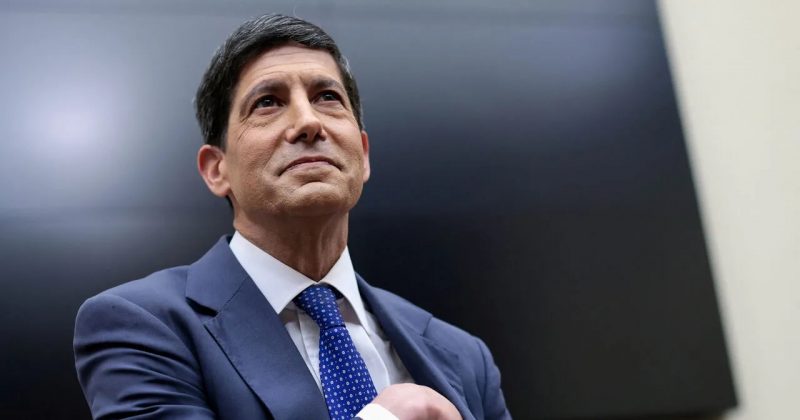
Fed's Warsh Advocates Market-Driven Policy, Ignoring Nuanced Tools
This paradigm shift in American monetary policy comes at a critical time for the crypto sector, as investors increasingly seek alternative assets amid global economic uncertainty. Warsh's approach, prioritizing market efficiency over direct control, could create a more favorable environment for financial innovation but also expose investors to heightened risks. The cryptocurrency market, already known for its inherent volatility, may benefit from increased liquidity and institutional acceptance while simultaneously facing the challenge of navigating a more unstable financial landscape.