Money is Obsolete? Elon Musk Predicts AI and Robotics Revolution by 2036
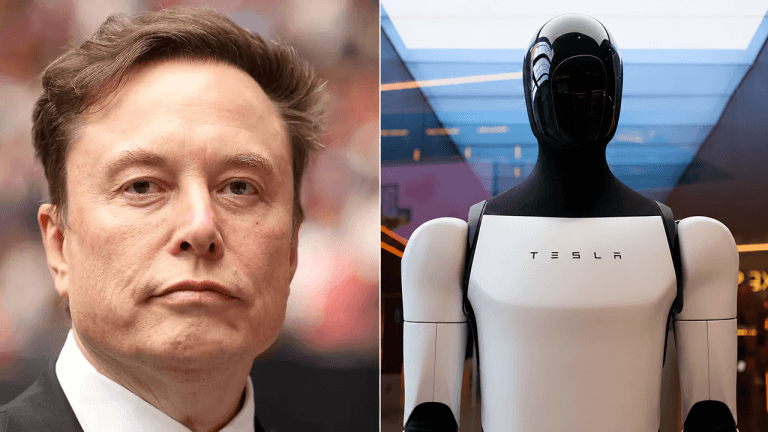
Elon Musk has issued a provocative forecast, claiming that money will cease to matter by 2036. He posits that the rapid integration of artificial intelligence and robotics will trigger a massive surge in productivity, leading to a world where the production of goods and services far outstrips human consumption capabilities.
This shift points toward a fundamental transformation of the global economic landscape. As AI and advanced robotics flood global markets, the traditional scarcity-based economic models may collapse, forcing a total re-evaluation of wealth, labor, and the very purpose of currency in an automated age.
During an extended interview with Economist editor-in-chief Zanny Minton Beddoes, recorded at the Texas Gigafactory, Elon Musk predicted that money will lose its significance by 2036. Musk explained that once robots and artificial intelligence reach a level of production that exceeds human consumption, the current economic paradigms will become obsolete.
This is a summarized and adapted version by Artificial Intelligence. To read the complete original story, visit the official source.
Read Full Article at Bitcoin.comSupport Jornal Bitcoin
Independent journalism, curated by AI, no clickbait. Keep the flame alive with any amount of BTC.
jonata@walletofsatoshi.comDaily Crypto Brief 📬
Subscribe to receive the curation of the most important Bitcoin and crypto news, summarized by AI. No spam.
Join more than 10,000 smart readers.
Related News
AI Data Breach Settlement: Up to $5,000 for 480,000 Victims
Eligible victims of the breach may claim up to $5,000 each as part of the legal resolution. As the industry grapples with the implications of this exposure, the settlement serves as a significant warning regarding the necessity of robust data protection protocols in the age of artificial intelligence.
Beyond Payments: Ripple’s Massive Pivot to Full-Stack Financial Infrastructure
By building this comprehensive layer, Ripple is setting the stage to reshape the landscape of institutional finance. The move aims to streamline how digital assets and liquidity are managed, potentially lowering barriers to entry and driving massive-scale adoption of blockchain-based financial services across the globe.
Nvidia's Unstoppable Rise: A Massive 15,332% Gain Outpacing the S&P 500
This decade-long dominance highlights the transformative impact of AI on global market dynamics. As growth drivers shift from traditional sectors to high-compute infrastructure, the ripple effects are expected to reshape investor expectations and the broader landscape of both tech stocks and digital asset correlations.
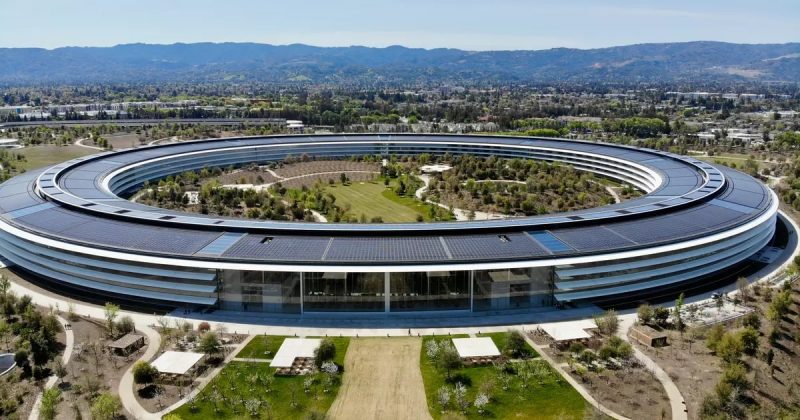
AI Spending Showdown: Why Apple’s Discipline Wins While Oracle’s Aggressive Capex Fails Investors
This divergence highlights a critical shift in investor sentiment, where the focus has moved from pure innovation hype to tangible returns on investment. As companies race to integrate AI, the ability to balance cutting-edge technological advancement with rigorous financial prudence will separate the winners from the losers in the tech landscape.
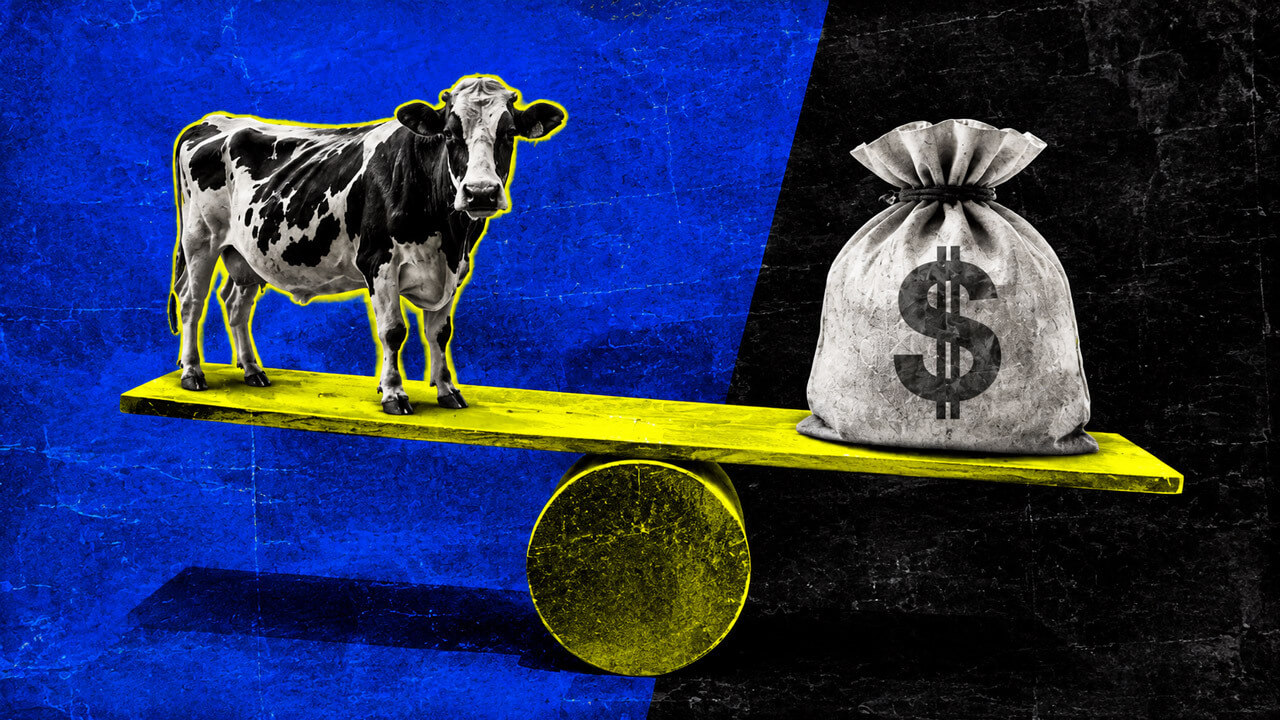
From Pasture to Protocol: How 10 Brazilian Cows are Bridging an $8 Trillion Finance Gap
This leap in Real World Asset (RWA) tokenization is designed to tackle the massive $8 trillion global financing gap. By providing transparent, immutable data, this technology aims to minimize lender haircuts and optimize credit risk, setting a new standard for how blockchain can unlock liquidity in traditional agricultural markets.

Mira Murati’s Inkling AI Debuts: Is This the New King of Open-Source Models?
While the raw performance metrics are stellar, the industry is closely scrutinizing the price-to-performance ratio. As developers integrate this new tech, the long-term impact on the AI landscape will depend on whether Inkling AI can balance its elite capabilities with a sustainable economic model for mass adoption.
