BlockTrends

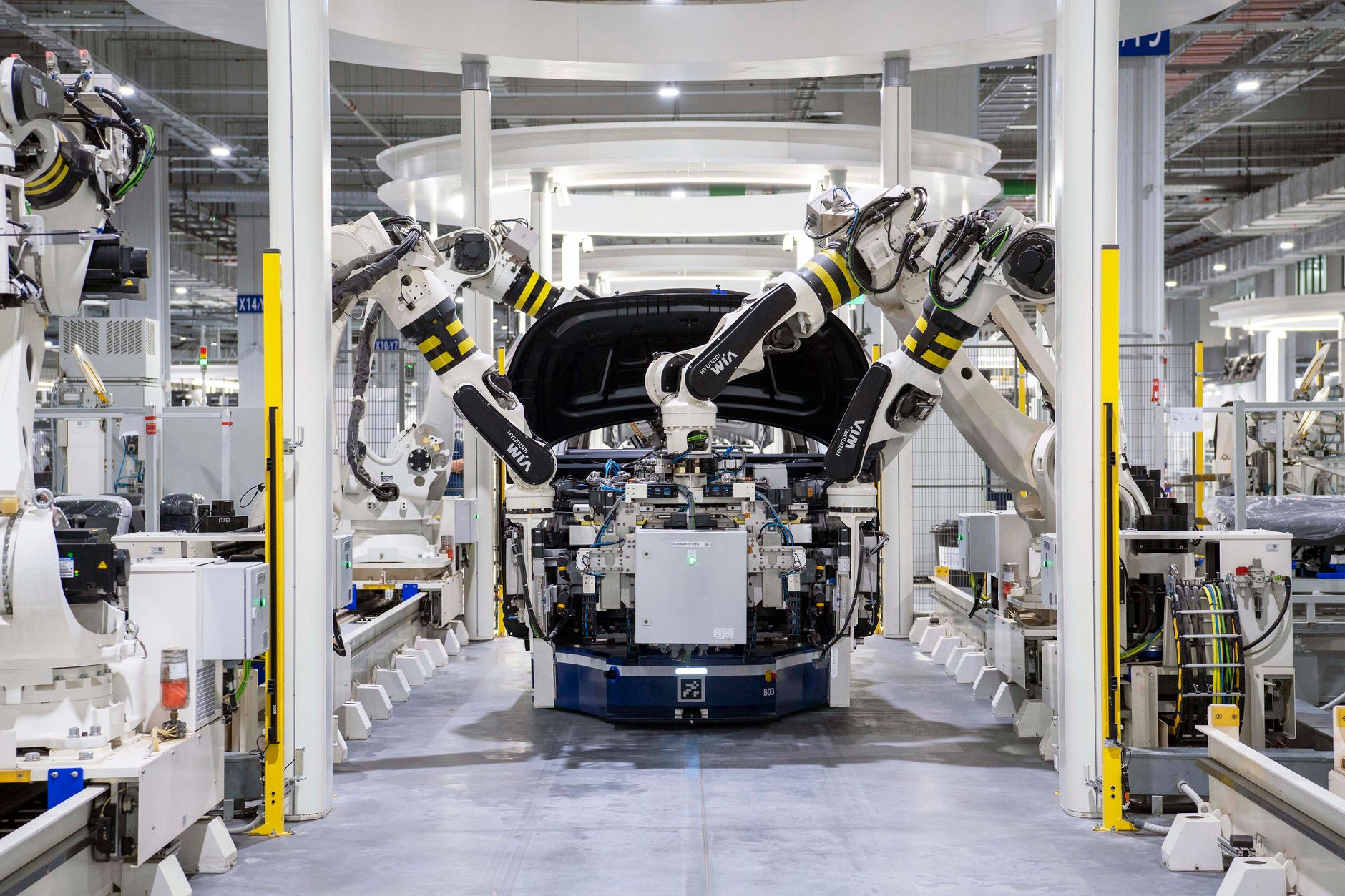
Elon Musk Spends Half of Tesla Meetings on AI and Robots, Not Cars
August 4, 202612:33 PM
Elon Musk Spends Half of Tesla Meetings on AI and Robots, Not Cars

Analysis of seven years of transcripts reveals Elon Musk spends nearly 50% of his time in Tesla's quarterly meetings discussing artificial intelligence and robotics, while automotive business discourse shrinks. This strategic shift clearly indicates a prioritization of the company's future beyond electric vehicles.

As the focus on AI and robotics grows, Tesla's automotive sector results show signs of weakening, suggesting a possible transition from car manufacturer to technology giant. This strategy positions Tesla uniquely in the market but also raises questions about the future of the company's flagship product and its ability to compete across multiple technological fronts.

Meanwhile, Tesla's automotive sector results show signs of challenges, including increased competition and production difficulties. This combination of discourse and results suggests Musk is heavily betting on AI and robotics as the pillars of the company's future growth, even if it means a gradual departure from its main electric vehicle business.

This is a summarized and adapted version by Artificial Intelligence. To read the complete original story, visit the official source.

Read Full Article at BlockTrends
QR Code Lightning

Support Jornal Bitcoin

Independent journalism, curated by AI, no clickbait. Keep the flame alive with any amount of BTC.

Wallet of Satoshi
jonata@walletofsatoshi.com

Daily Crypto Brief 📬

Subscribe to receive the curation of the most important Bitcoin and crypto news, summarized by AI. No spam.

Join more than 10,000 smart readers.

Related News

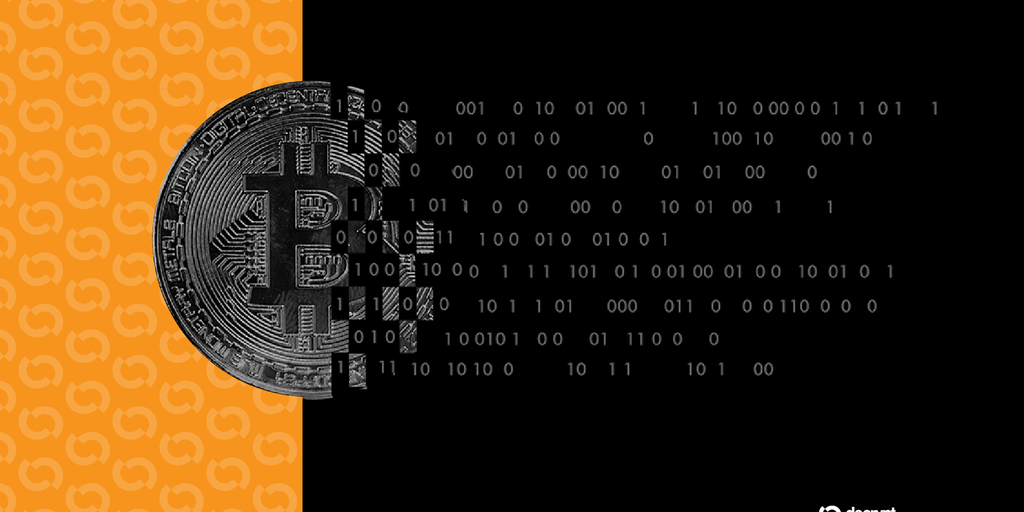
Bitcoin Bridge Boltz Shuts Down After AI Discovers Vulnerabilities Faster Than Humans Can Fix
Decrypt★ Featured

Bitcoin Bridge Boltz Shuts Down After AI Discovers Vulnerabilities Faster Than Humans Can Fix

Non-custodial Bitcoin swap provider Boltz has been forced to indefinitely suspend its services after revealing that AI-powered attackers are identifying vulnerabilities faster than its security team can patch them. The move marks an unprecedented challenge for crypto security, as the arms race between developers and hackers accelerates exponentially in the decentralized finance landscape.

The CEO of Boltz confirmed that the company faced a wave of exploits discovered by AI algorithms, overwhelming the incident response team's capacity. This incident highlights the growing threat AI poses to DeFi and Bitcoin protocol security, forcing the industry to rethink defense and monitoring strategies. The suspension comes at a critical time for blockchain interoperability, when bridge solutions like Boltz are essential for the crypto ecosystem's functionality.

AI Enthusiast Turns Toddler's Sleepover into Website with Claude—Internet Reacts with Criticism
Decrypt

AI Enthusiast Turns Toddler's Sleepover into Website with Claude—Internet Reacts with Criticism

An AI enthusiast transformed his toddler's sleepover nonsense into a structured website using Anthropic's Claude model. Nicholas Charriere's creation, which organized the hour of chaos into named tracks, sparked mixed reactions online, with a comment calling him 'creepy' receiving more likes than his original post about the AI sleepover and digital childhood memories.

The incident raises questions about the boundaries of AI technology in family settings and children's privacy. While Charriere views his creation as a way to preserve digital memories, critics argue the approach is invasive and demonstrates a disconnect from natural childhood experiences, highlighting the debate around AI ethics and family technology.

Situational Awareness hedge fund implodes 67% after AI bets backfire, forced to sell $16B to Citadel at fire-sale prices

Crypto Briefing★ Featured

Situational Awareness hedge fund implodes 67% after AI bets backfire, forced to sell $16B to Citadel at fire-sale prices

The Situational Awareness hedge fund has imploded by 67% after its concentrated bets on artificial intelligence (AI) spectacularly backfired, forcing the fund to liquidate $16 billion in assets to Citadel at a steep discount. This dramatic collapse underscores the inherent dangers of highly concentrated investment strategies in volatile tech sectors, where fortunes can be made and lost with breathtaking speed. The fallout from this situation extends far beyond the fund itself, potentially triggering a wave of risk aversion across financial markets, particularly in the crypto space. With investor confidence already fragile in digital assets, the forced sale of such a massive position could create ripple effects throughout the ecosystem, especially if other similarly exposed funds face similar pressures. This event serves as a stark reminder that even in the high-stakes world of technology investing, diversification and prudent risk management remain essential for long-term survival.
OpenAI Dumps Apple Employees' Text Messages to Fight Trade Secret Suit
Decrypt★ Featured

OpenAI Dumps Apple Employees' Text Messages to Fight Trade Secret Suit

The ChatGPT maker has launched a stunning counteroffensive in its legal battle with Apple, releasing text messages and emails that the company claims expose factual errors in Apple's lawsuit and undermine claims that former employees brought confidential information to the company. This strategic move comes amid an intense legal battle between two of the biggest names in technology, with significant implications for the artificial intelligence industry. The disclosure of these internal communications could not only influence the outcome of the case but also set precedents for how companies protect their trade secrets in a highly competitive market.
$2 AI Audit Could Have Caught Coldcard Flaw, Says Dragonfly's Haseeb Qureshi
Bitcoin.com

$2 AI Audit Could Have Caught Coldcard Flaw, Says Dragonfly's Haseeb Qureshi

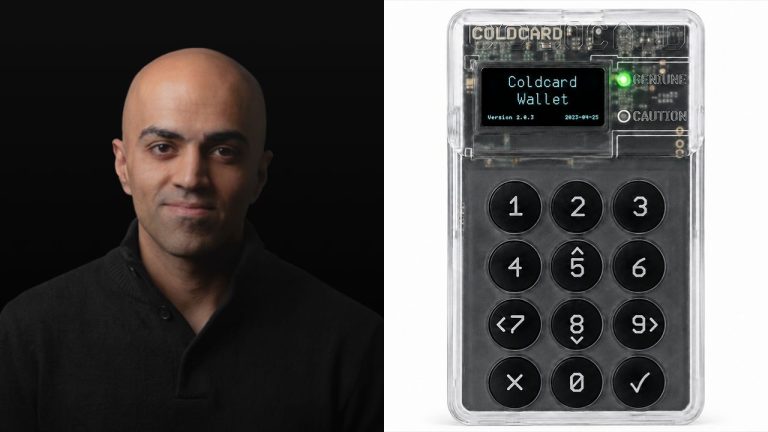
A $2 AI audit could have caught the Coldcard vulnerability, according to Dragonfly's Haseeb Qureshi, highlighting how artificial intelligence is revolutionizing cybersecurity economics. As the cost of discovering flaws plummets, crypto companies face increasing pressure to adopt AI-powered security measures across all software releases. The Coldcard security flaw serves as a pivotal case study demonstrating how frontier AI models can identify risks that traditional security audits might miss. This shift toward AI-powered testing could become the new gold standard for security in the crypto ecosystem, potentially preventing millions in losses and protecting user funds from sophisticated threats.
Ledger Warns Coldcard Exploit Shows Bitcoin Wallet Security Must Adapt to AI
Decrypt

Ledger Warns Coldcard Exploit Shows Bitcoin Wallet Security Must Adapt to AI

Ledger CTO Charles Guillemet has issued a stark warning following the Coldcard exploit, emphasizing that Bitcoin wallet security paradigms must evolve to address emerging AI-driven threats. The incident highlights the critical importance of certified hardware randomness in protecting digital assets, as traditional security measures face unprecedented challenges from increasingly sophisticated cyber attacks. This revelation comes at a pivotal moment for cryptocurrency security, as the industry grapples with how to adapt to an AI-powered threat landscape. Guillemet's comments suggest that hardware wallet manufacturers must not only patch vulnerabilities but fundamentally reimagine their security architectures, potentially incorporating AI detection systems and advanced cryptographic protocols to stay ahead of malicious actors who are rapidly adopting these same technologies.
Jornal Bitcoin Logo