Red Alert: ECB Warns Stablecoins Could Drain Traditional Bank Deposits

The European Central Bank (ECB) has issued a critical warning regarding the systemic threat posed by stablecoins to the traditional banking sector. The institution detailed how these digital assets could trigger a rapid drain of bank deposits, potentially destabilizing the liquidity of commercial banks across the eurozone.
To counter this growing risk, the ECB is positioning the digital euro as the definitive solution. By introducing a robust CBDC, the central bank aims to provide a regulated alternative that prevents financial disintermediation and maintains monetary sovereignty amidst the rising popularity of stablecoins in the crypto ecosystem.
The European Central Bank (ECB) has outlined a three-tier threat that stablecoins pose to the established banking landscape. In its latest analysis, the central bank highlighted how the shift from traditional bank accounts to digital stablecoins could fundamentally alter the flow of capital and weaken the banking sector's stability.
This is a summarized and adapted version by Artificial Intelligence. To read the complete original story, visit the official source.
Read Full Article at Portal do BitcoinSupport Jornal Bitcoin
Independent journalism, curated by AI, no clickbait. Keep the flame alive with any amount of BTC.
jonata@walletofsatoshi.comDaily Crypto Brief 📬
Subscribe to receive the curation of the most important Bitcoin and crypto news, summarized by AI. No spam.
Join more than 10,000 smart readers.
Related News

Grayscale Makes History: First US Worldcoin ETF Filed for Nasdaq Listing
Intended to list on the Nasdaq under the ticker GWLD, the fund features a high-tier institutional backbone with BitGo Bank & Trust acting as custodian and BNY Mellon serving as administrator. This development represents a major milestone in the diversification of crypto assets beyond the traditional Bitcoin and Ether dominance.
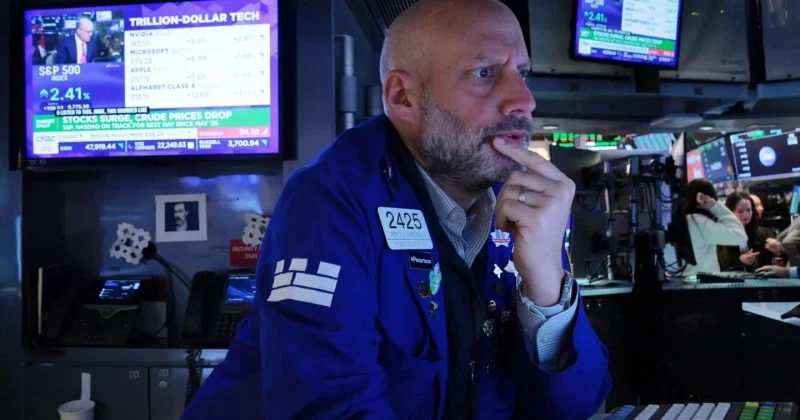
Goldman Sachs Warning: Brent Oil Could Surge Past $120 Amid Hormuz Tension
Looking further ahead, projections indicate that WTI could also hit the $120 mark by July 2026. Such a surge in oil prices would likely fuel global inflationary pressures, potentially tightening liquidity across financial markets and influencing the broader trajectory of risk assets, including the cryptocurrency sector.

Institutional Breakthrough: Chainlink CCIP Selected for Central Bank Digital Asset Pilots
This development addresses one of the biggest hurdles in the digital asset space: liquidity fragmentation. By leveraging Chainlink CCIP, central banks are paving the way for a seamless flow of value across disparate networks, bridging the gap between traditional finance and the burgeoning world of decentralized digital assets.

Robert Kiyosaki's Survival Plan: What He'd Do With Only $10,000
This strategy emphasizes the critical role of self-investment and skill acquisition as the primary drivers of financial recovery. By prioritizing high-value knowledge over immediate market exposure, Kiyosaki suggests that mastering the mechanics of cash flow is far more vital than chasing the volatility of the crypto market or the stability of real estate during a total reset.

LSE to Launch Overnight Trading by 2027 to Combat Crypto and Tokenized Equity Surge
This move is a direct defensive maneuver against the rising dominance of crypto markets and tokenized equity platforms that offer seamless 24/7 liquidity. As traditional finance faces pressure to modernize, the LSE's expansion into overnight sessions highlights the urgent need for legacy exchanges to adapt to a digital-first, around-the-clock global economy.

Race Against Time: CLARITY Act Faces Decisive Senate Week Before August Recess
This legislative stagnation comes at a dangerous time for US dominance, as Russia moves aggressively to establish its own crypto framework. The pressure is mounting on the Senate to act before the recess, as the delay in the CLARITY Act could shift the global balance of power in the digital asset sector.
