ECB Warning: Stablecoins Could Drain Bank Deposits and Destabilize Finance

The European Central Bank (ECB) has issued a stark warning regarding the growing influence of stablecoins on the traditional banking sector. ECB board member Piero Cipollone outlined a three-layer threat posed by digital payments, specifically highlighting how stablecoins could drain bank deposits and undermine the fundamental credit mechanisms of the economy.
As a strategic countermeasure, the ECB is pitching the digital euro as the essential structural solution to maintain monetary sovereignty. By implementing a central bank digital currency (CBDC), the ECB aims to provide a stable, public alternative to private digital assets, ensuring that the shift toward digital payments does not compromise financial stability.
To combat this potential instability, Cipollone argues that the digital euro is the only structural answer to preserve the integrity of the financial system. Rather than relying solely on regulation, the ECB views the introduction of a digital euro as a necessary step to provide a public-sector foundation for digital transactions, shielding the eurozone from the volatility and fragmentation associated with private stablecoins.
This is a summarized and adapted version by Artificial Intelligence. To read the complete original story, visit the official source.
Read Full Article at DecryptSupport Jornal Bitcoin
Independent journalism, curated by AI, no clickbait. Keep the flame alive with any amount of BTC.
jonata@walletofsatoshi.comDaily Crypto Brief 📬
Subscribe to receive the curation of the most important Bitcoin and crypto news, summarized by AI. No spam.
Join more than 10,000 smart readers.
Related News

FTX Unlocks $900M: Fifth Round of Creditor Repayments Set to Begin
Under the current FTX recovery plan, the distribution terms are highly specific: convenience claims under $50,000 are slated to receive a 120% reimbursement, while other categories will see payouts between 103% and 105%. This move follows the distribution of $10 billion since the bankruptcy filing, marking a critical step in the ongoing efforts to restore liquidity to affected users.

Wildfire Smoke Threatens FIFA World Cup Final and Kraken’s Crypto Debut
Beyond the immediate atmospheric issues, the situation highlights the growing intersection of global sports and digital finance. As the industry evolves, the synergy between major sponsorships, memecoins, and tokenized assets remains vulnerable to unpredictable environmental factors that could disrupt massive fan engagement and brand execution.

Gemini Boosts Predictions Platform with Batch Orders and FIFA World Cup Contracts
In a move to bridge real-world events with crypto markets, the update also introduces FIFA World Cup contracts, offering users unique ways to trade on global outcomes. These enhancements position Gemini as a versatile player in the prediction market space, combining institutional-grade execution with high-engagement consumer features.
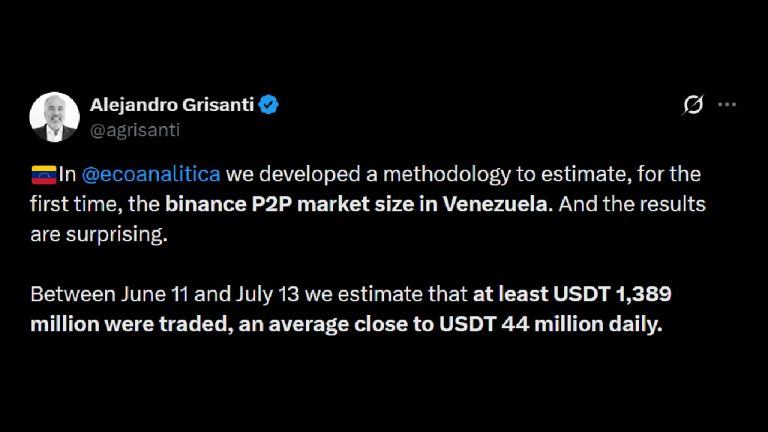
Digital Gold? Venezuela's Binance P2P USDT Volume Now Rivals National Oil Exports
In a staggering comparison, these USDT trading volumes now represent approximately 75% of the country's monthly oil export volumes. This shift underscores the massive relevance of the crypto market in Venezuela, proving that digital assets are effectively competing with traditional oil commodities for dominance in the local financial ecosystem.

Galaxy Digital Secures 15-Year Texas Tech Stadium Naming Rights Deal
This partnership extends far beyond simple naming rights, positioning Galaxy as the official data center and digital assets partner for Texas Tech Athletics. The collaboration will drive innovation through artificial intelligence initiatives, workforce development programs, and student-athlete NIL opportunities, bridging the gap between digital asset infrastructure and collegiate sports.

Steam Scam: US Man Arrested for Stealing $220K in Crypto via Game Malware
Operating between May 2024 and February 2026, the gang utilized the massive reach of the Steam platform to distribute malicious code designed to compromise cryptocurrency wallets. This incident highlights the growing intersection of gaming vulnerabilities and crypto theft, underscoring the urgent need for enhanced cybersecurity awareness among digital asset holders.
