Iran’s Low-Cost Drones Pose Major Threat to US Military Systems Amid Rising Tensions
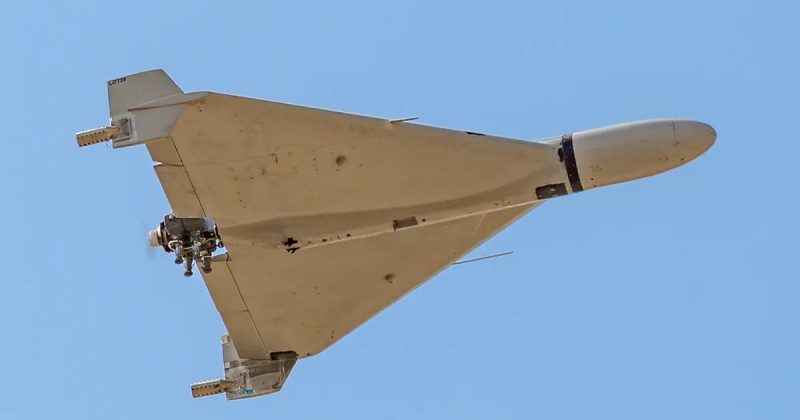
Iran's deployment of low-cost drones is directly challenging advanced U.S. military systems, signaling a shift in modern warfare dynamics. This intelligence brief highlights how asymmetric drone technology is disrupting traditional defense paradigms and forcing a strategic pivot in global security protocols.
As tensions escalate, the potential for military action against Gulf states remains high, with recent data suggesting a 57% likelihood of conflict. The impact of these inexpensive yet effective drones could redefine regional stability and the future of aerial defense technology in high-conflict zones.
This is a summarized and adapted version by Artificial Intelligence. To read the complete original story, visit the official source.
Read Full Article at Crypto BriefingSupport Jornal Bitcoin
Independent journalism, curated by AI, no clickbait. Keep the flame alive with any amount of BTC.
jonata@walletofsatoshi.comDaily Crypto Brief 📬
Subscribe to receive the curation of the most important Bitcoin and crypto news, summarized by AI. No spam.
Join more than 10,000 smart readers.
Related News

Geopolitical Escalation: Iran Strikes US Aircraft in Jordan Using Ballistic Missiles
Such high-stakes military maneuvers inevitably trigger massive volatility across global markets, including the crypto sector. As the world watches for a US response, the intersection of geopolitical warfare and market stability remains a primary concern for institutional investors and retail traders alike.

Geopolitical Flashpoint: Iran Targets Oil Tankers in Strait of Hormuz Amid 2026 Crisis Fears
While maritime traffic reportedly returned to normal by August 31, the strike is being viewed through the lens of a looming 2026 crisis. The strategic importance of the Strait of Hormuz means that any disruption carries heavy implications for global inflation and energy security, forcing a re-evaluation of risk management in an increasingly unstable world.

Geopolitical Crisis: US Soldier Killed in Iraq Triggers Trump's New Strikes on Iran
This military surge heightens global market uncertainty and fuels speculation regarding long-term regional stability. Market analysts are closely watching the 30.5% probability of a full-scale U.S. invasion of Iran before 2027, a factor that could trigger massive volatility across crypto and traditional finance sectors.
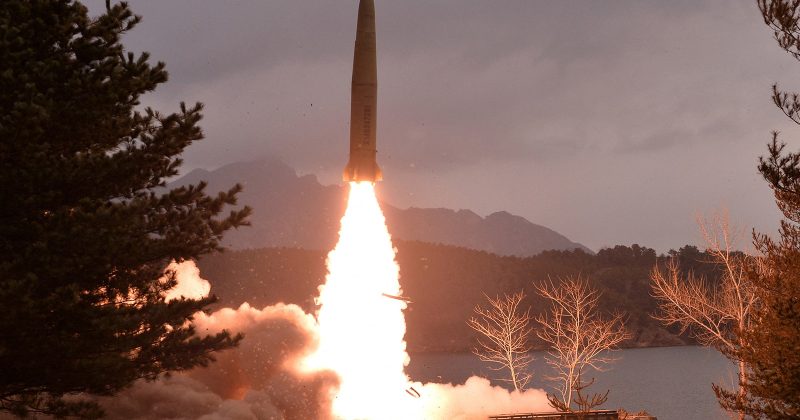
Middle East Tension: Iran Launches New Missile Wave as Crypto Markets Shrug Off Conflict
This divergence between geopolitical instability and digital asset pricing highlights a unique market sentiment. However, investors should remain cautious, as the escalating conflict poses significant risks to global liquidity and could trigger sudden volatility in the crypto market if the situation worsens.
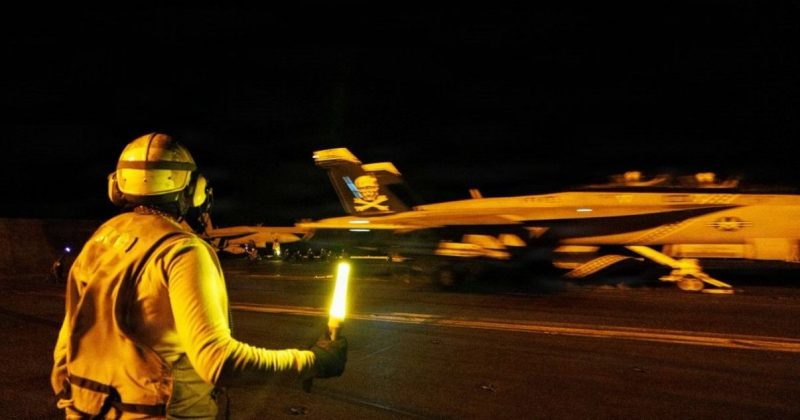
Strait of Hormuz Crisis Deepens: Why US Military Strikes on Iran Matter for Crypto Investors
Crypto investors must remain vigilant, as such high-stakes conflicts can drive investors toward Bitcoin as a hedge or cause sudden de-risking across all speculative assets. Understanding the connection between Middle East instability and digital asset volatility is crucial for navigating the current market landscape.

High Alert: Kuwait Activates Air Defenses Amid Iranian Drone Threat
As geopolitical instability rises, the potential for Iranian military action against a Gulf state remains a significant macro risk. For the crypto market, such regional conflicts often act as catalysts for sudden volatility, forcing traders to reassess risk profiles in light of potential disruptions to global energy supplies and traditional financial corridors.
