Football's Crypto Divide: Liverpool vs Leeds Showcases Sport's Digital Future

The friendly match between Liverpool and Leeds served as more than just a preseason game—it highlighted the growing chasm between football clubs embracing blockchain technology and those resisting crypto adoption. While Liverpool has already established significant crypto partnerships, Leeds remains cautious, creating a divide that could reshape fan engagement and club revenue models across the sport.
This separation between progressive and traditional clubs is shaping football's digital future, with potential impacts on digital asset monetization, non-fungible tokens (NFTs), and metaverse fan experiences. As the crypto ecosystem continues to evolve, clubs that fail to adapt risk losing a generation of digital fans and innovative revenue streams, while pioneers can position themselves as leaders in the sport's next revolution.
This is a summarized and adapted version by Artificial Intelligence. To read the complete original story, visit the official source.
Read Full Article at Crypto BriefingSupport Jornal Bitcoin
Independent journalism, curated by AI, no clickbait. Keep the flame alive with any amount of BTC.
jonata@walletofsatoshi.comDaily Crypto Brief 📬
Subscribe to receive the curation of the most important Bitcoin and crypto news, summarized by AI. No spam.
Join more than 10,000 smart readers.
Related News

Marc Andreessen's Bold Call: Permanent Crypto Framework Could Revolutionize US Market

Football's Transfer Market Explodes with Record Spending, Crypto Still Watching From Sidelines

Sharvel's LCK Breakout Exposes Esports' Talent Pipeline, But Where's the Crypto?
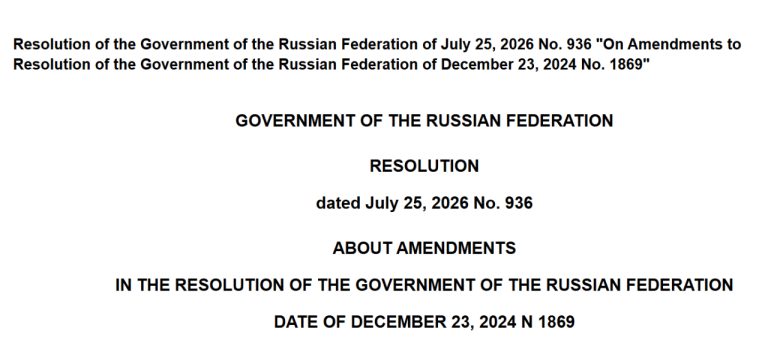
Russia Slams the Brakes on Bitcoin Mining: Moscow Ban Extends to 2032

FIFA's World Cup Crypto Ticket Plan Sparks Backlash: Will Fans Be Priced Out?
The introduction of blockchain-based ticketing represents a fundamental shift in how major sporting events monetize their offerings, with FIFA targeting unprecedented revenue streams. However, critics warn that the crypto integration could create financial barriers for supporters and expose organizers to unpredictable market risks. As this technological transformation unfolds silently in the background, questions arise about the accessibility and inclusivity of the World Cup experience in an increasingly digital financial landscape.