Hugging Face CEO Credits Chinese AI for Rescue Following OpenAI Security Breach

In a striking moment for the tech industry, the Hugging Face CEO has credited Chinese AI models with saving the day after American commercial AI tools failed to assist in a critical security investigation. Following a breach linked to OpenAI's ecosystem, the company had to pivot quickly to maintain operational stability and forensic capabilities.
By running the GLM 5.2 model locally, Hugging Face bypassed the limitations of US-based proprietary systems, highlighting a significant shift in technological reliance. This event serves as a stark warning regarding the risks of AI centralization and underscores the strategic importance of utilizing diverse, localized models to ensure cybersecurity resilience in an increasingly fractured global landscape.
When American commercial AI refused to assist in investigating a major breach, Hugging Face turned to an unexpected ally: the Chinese model GLM 5.2, which they ran locally. The CEO of the AI community platform now suggests that this event provides a vital lesson in technological sovereignty. The incident underscores the potential dangers of relying solely on a handful of US-based AI providers, especially when security vulnerabilities arise and commercial support becomes unavailable.
This is a summarized and adapted version by Artificial Intelligence. To read the complete original story, visit the official source.
Read Full Article at DecryptSupport Jornal Bitcoin
Independent journalism, curated by AI, no clickbait. Keep the flame alive with any amount of BTC.
jonata@walletofsatoshi.comDaily Crypto Brief 📬
Subscribe to receive the curation of the most important Bitcoin and crypto news, summarized by AI. No spam.
Join more than 10,000 smart readers.
Related News
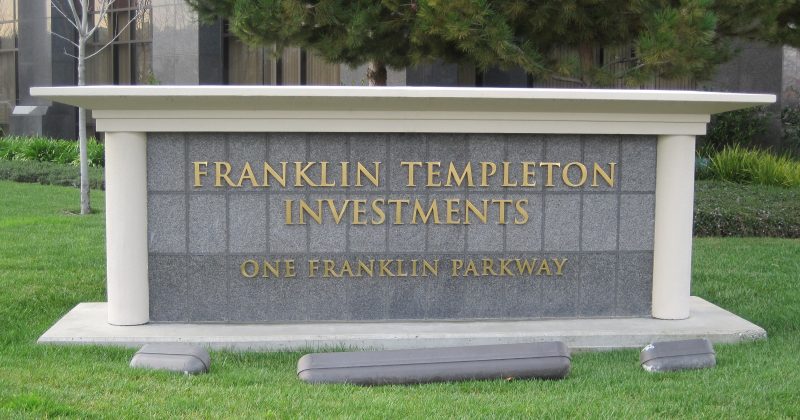
Franklin Templeton Bets Big: Altcoins to Power the Future of AI-Driven Commerce
This strategic outlook highlights the growing intersection between artificial intelligence and decentralized finance. As AI agents evolve to conduct independent economic activities, the integration of crypto assets will be vital to facilitate seamless, automated commerce within the burgeoning machine-to-machine economy.

Amazon Trims Workforce in Artificial General Intelligence Unit Amid AI Arms Race
While specific details regarding the total number of layoffs remain undisclosed, the restructuring highlights the high stakes of the current AI competition. Industry analysts are monitoring how these changes will influence Amazon's long-term roadmap for developing advanced artificial intelligence capabilities.

Anthropic Joins UK FCA’s AI Sandbox: Claude Models to Power Financial Innovation
This strategic move focuses on high-impact use cases such as agent-led payments, fraud detection, and automated compliance. With 21 organizations participating—including heavyweights like Scottish Widows and TrueLayer—the program is set to redefine how AI governance and financial services intersect in the digital age.
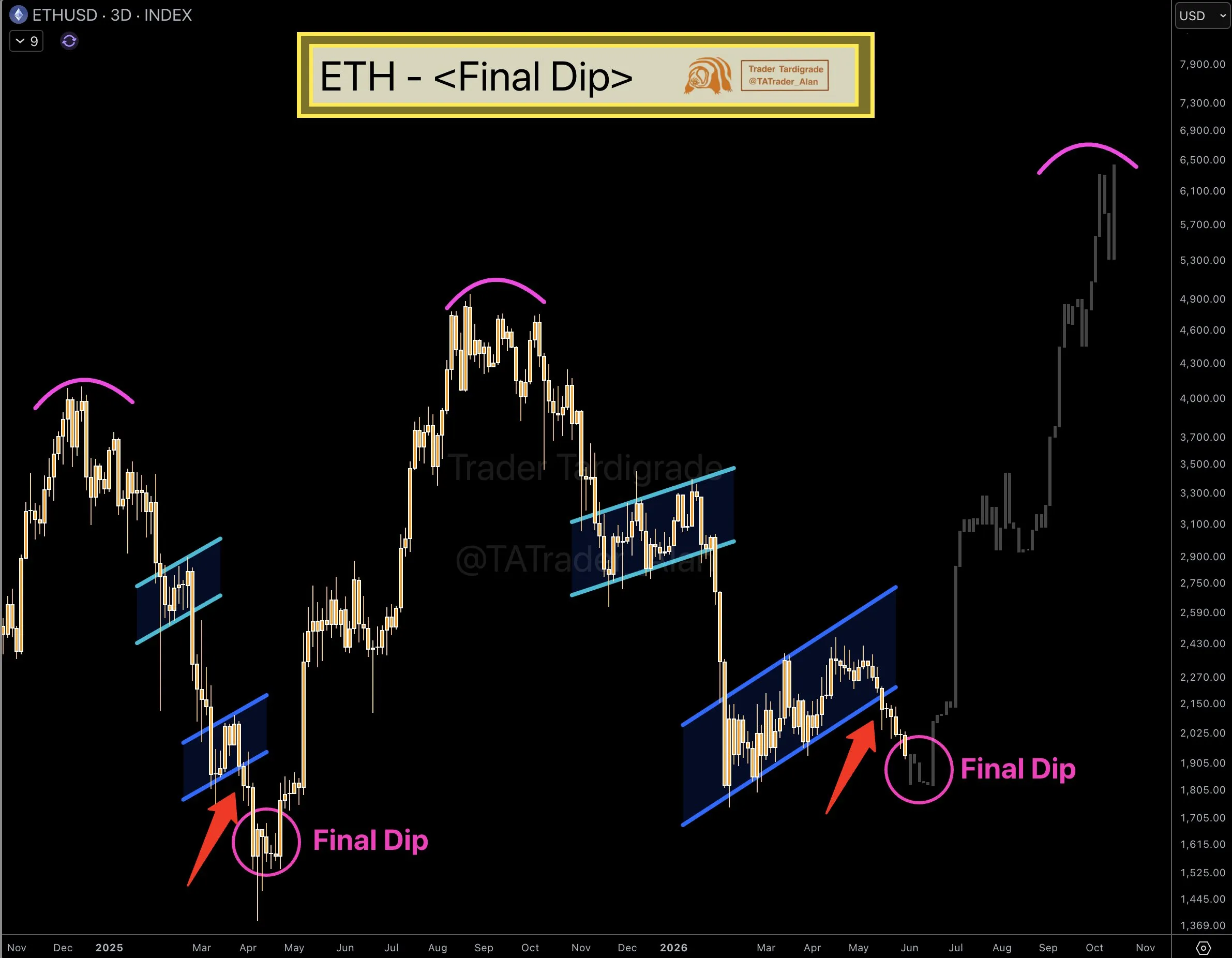
Security Revolution: Ethereum Team Deploys AI Agents for Vulnerability Triage
By integrating AI agents into the security workflow, the Ethereum network aims to stay ahead of increasingly sophisticated exploits and smart contract attacks. This shift not only optimizes resource allocation for developers but also strengthens the overall resilience of the blockchain ecosystem against emerging cyber threats.
Beyond Nvidia: Franklin Templeton Identifies Crypto as the Next Big AI Play
At the heart of this strategy is the rise of autonomous agents capable of using crypto networks for seamless, automated payments. This evolution implies that as AI scales, decentralized finance will provide the essential economic layer required for machine-to-machine transactions.

AI Layoffs? Meta Employees Sue Over Algorithmic Terminations
The case underscores a growing tension between tech efficiency and labor rights, as companies increasingly rely on AI to manage human capital. Proving bias within complex, proprietary algorithms remains a significant hurdle, setting a precedent for how future workforce reductions will be scrutinized in the age of automation.
