Delinquencies squeeze banks in 2Q26: Itaú and XP may ride the turbulence

📌 Intel Brief: Delinquency risk is still the dominant pressure point for 2Q26, with 83.5 million people in arrears and 30% of income already committed. With credit quality deteriorating, banks face higher operational and credit stress—while the market starts positioning for winners.
In a backdrop where risk costs are likely to rise and consumer caution increases, Itaú and XP are emerging as top bets. The signals point to a potential shift: more exposed lenders could lose momentum, while better-positioned firms may capture flow—turning the conversation toward delinquencies, credit risk management, and the impact of income strain on lending cycles.
With 83.5 million Brazilians in arrears and 30% of income already committed, the banking sector is entering 2Q26 under pressure. Delinquency is back at the center of decision-making, increasing the cost of risk and testing how well institutions can protect margins in a tighter credit environment.
Against this backdrop, investors are already debating who may come out ahead. Among the leading picks, Itaú and XP stand out in market projections, driven by the view that turbulence can favor players with stronger risk management and the capacity to navigate the cycle. The likely outcome is an even more competitive push for customers and operational efficiency, as delinquencies continue to set the pace for banks through 2Q26.
This is a summarized and adapted version by Artificial Intelligence. To read the complete original story, visit the official source.
Read Full Article at BlockTrendsSupport Jornal Bitcoin
Independent journalism, curated by AI, no clickbait. Keep the flame alive with any amount of BTC.
jonata@walletofsatoshi.comDaily Crypto Brief 📬
Subscribe to receive the curation of the most important Bitcoin and crypto news, summarized by AI. No spam.
Join more than 10,000 smart readers.
Related News
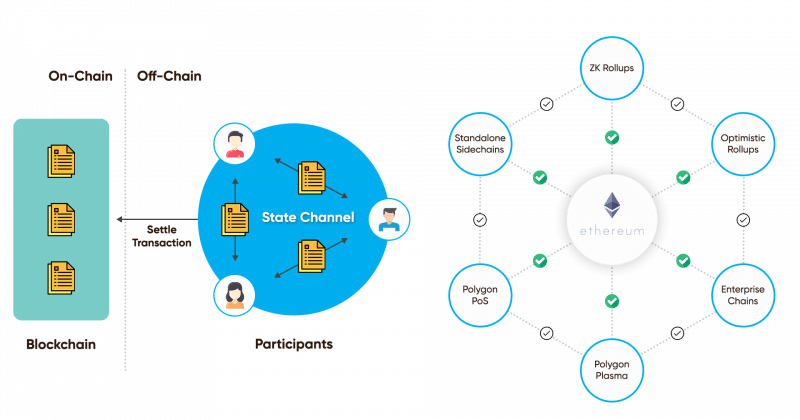
Polygon Skyrockets: Record 7.5M Weekly Transactions as Stablecoin Pivot Pays Off
By prioritizing high-utility assets, Polygon is successfully enhancing its competitive edge against rival Layer 2 solutions. This momentum suggests that the network is successfully capturing the growing demand for efficient, large-scale digital payment infrastructures in the global crypto market.
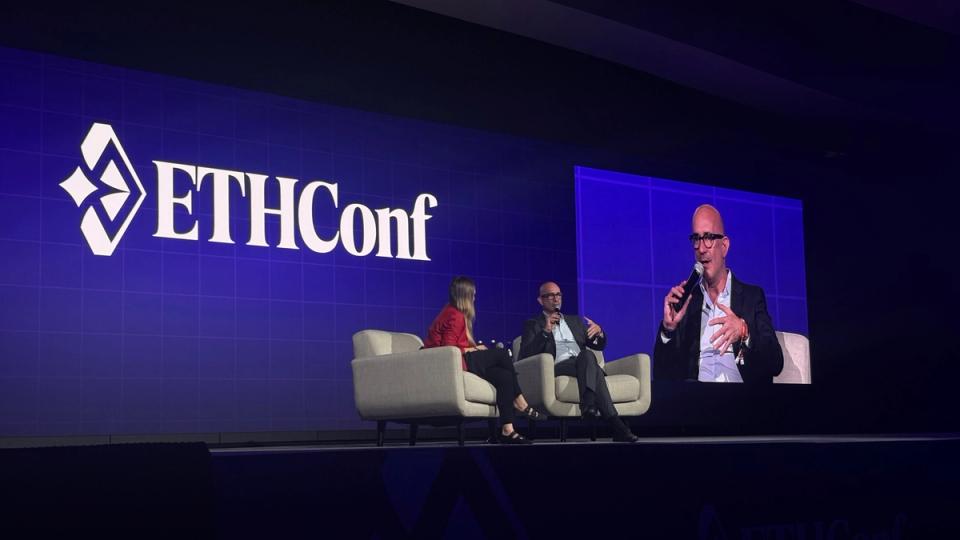
40% Crash: Why BlackRock-Backed Securitize Plunged Post-SPAC Debut
Industry analysts, including Jeff Dorman from Arca, suggest this downturn follows a troubling pattern of digital asset firms struggling post-listing. The fallout underscores the growing tension between institutional blockchain adoption and the harsh realities of public market valuations for crypto-adjacent enterprises.

Leverage Trap: Why the 3X Semiconductor Bull ETF (SOXL) Just Crashed
Beyond the semiconductor sector, this event underscores the broader impact of volatility decay, a phenomenon that poses significant risks to both traditional equities and the highly volatile crypto markets. For traders, understanding these mechanics is the difference between strategic positioning and total liquidation.
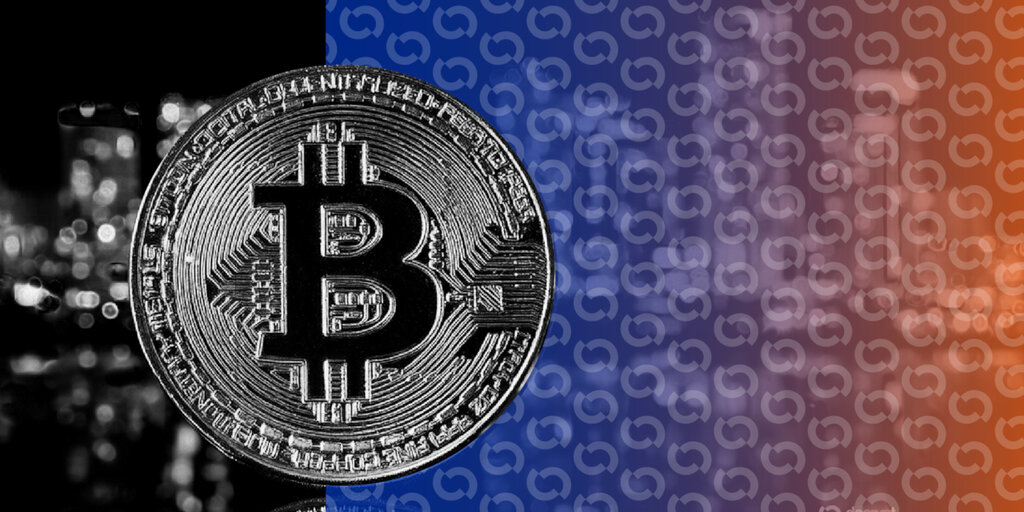
Bitcoin on Autopilot: Radar Chat Aims to Make Crypto Transfers as Easy as Texting
By leveraging the Lightning Network, Radar Chat enables lightning-fast, self-custodial transactions directly within a chat interface. This integration ensures that sending Bitcoin becomes a frictionless experience, moving the industry closer to mass adoption by treating crypto transfers with the same ease as a standard text message.

Kraken's Bold Move: The Crypto Giant Eyes European Banking License
By transitioning from a crypto exchange to a regulated banking entity, Kraken aims to bridge the gap between decentralized finance and traditional banking. This move is expected to significantly impact how institutional and retail investors interact with digital assets, providing a more seamless and compliant financial ecosystem across Europe.

Binance Disrupts Markets: bStocks Tokenized Equities Hit $100M AUM in Record Time
The rapid traction of bStocks highlights a massive shift toward Real World Assets (RWA) integration within the crypto space. This move effectively bridges the gap between traditional stock markets and decentralized liquidity, offering investors unprecedented access to U.S. equities outside of standard market hours.
