DeFi Meltdown: Balance Coin (BLC) Plummets 99% Following Massive 42DAO Exploit

The decentralized finance sector is reeling after the Balance Coin (BLC) token experienced a catastrophic 99% crash. The collapse was triggered by a major exploit targeting the 42DAO protocol, leaving investors facing massive losses.
Security researchers have pinpointed missing validation checks as the fundamental flaw that enabled near-instant liquidations. This exploit highlights the extreme volatility and technical risks inherent in DeFi protocols where smart contract vulnerabilities can lead to immediate total loss of value.
The crypto market is facing a major setback as Balance Coin (BLC) crashed by 99% following a devastating exploit of the 42DAO protocol. Security experts have analyzed the breach, noting that the lack of proper validation checks was the primary catalyst. This technical oversight allowed liquidations to trigger almost instantaneously, wiping out the token's market value and underscoring the critical importance of robust security measures in decentralized finance.
This is a summarized and adapted version by Artificial Intelligence. To read the complete original story, visit the official source.
Read Full Article at CryptoPotatoSupport Jornal Bitcoin
Independent journalism, curated by AI, no clickbait. Keep the flame alive with any amount of BTC.
jonata@walletofsatoshi.comDaily Crypto Brief 📬
Subscribe to receive the curation of the most important Bitcoin and crypto news, summarized by AI. No spam.
Join more than 10,000 smart readers.
Related News

Total Collapse: Balance Coin Crashes 99% Following $915K 42DAO Exploit
Blockchain security experts, including PeckShield, have linked this massive crash to a $915,000 exploit targeting 42DAO, the decentralized autonomous organization responsible for governing the protocol. This exploit highlights the extreme systemic risks inherent in algorithmic stablecoins and the critical importance of robust DAO governance security.

USDC Evolution: Circle Integrates Gateway and CPN with Fireblocks for Real-Time Settlement
By enabling real-time cross-border settlement, this integration removes the friction typically associated with multi-chain movements. The combination of Circle's programmable liquidity and Fireblocks' robust security infrastructure sets a new benchmark for how stablecoins facilitate global value transfer in the decentralized economy.
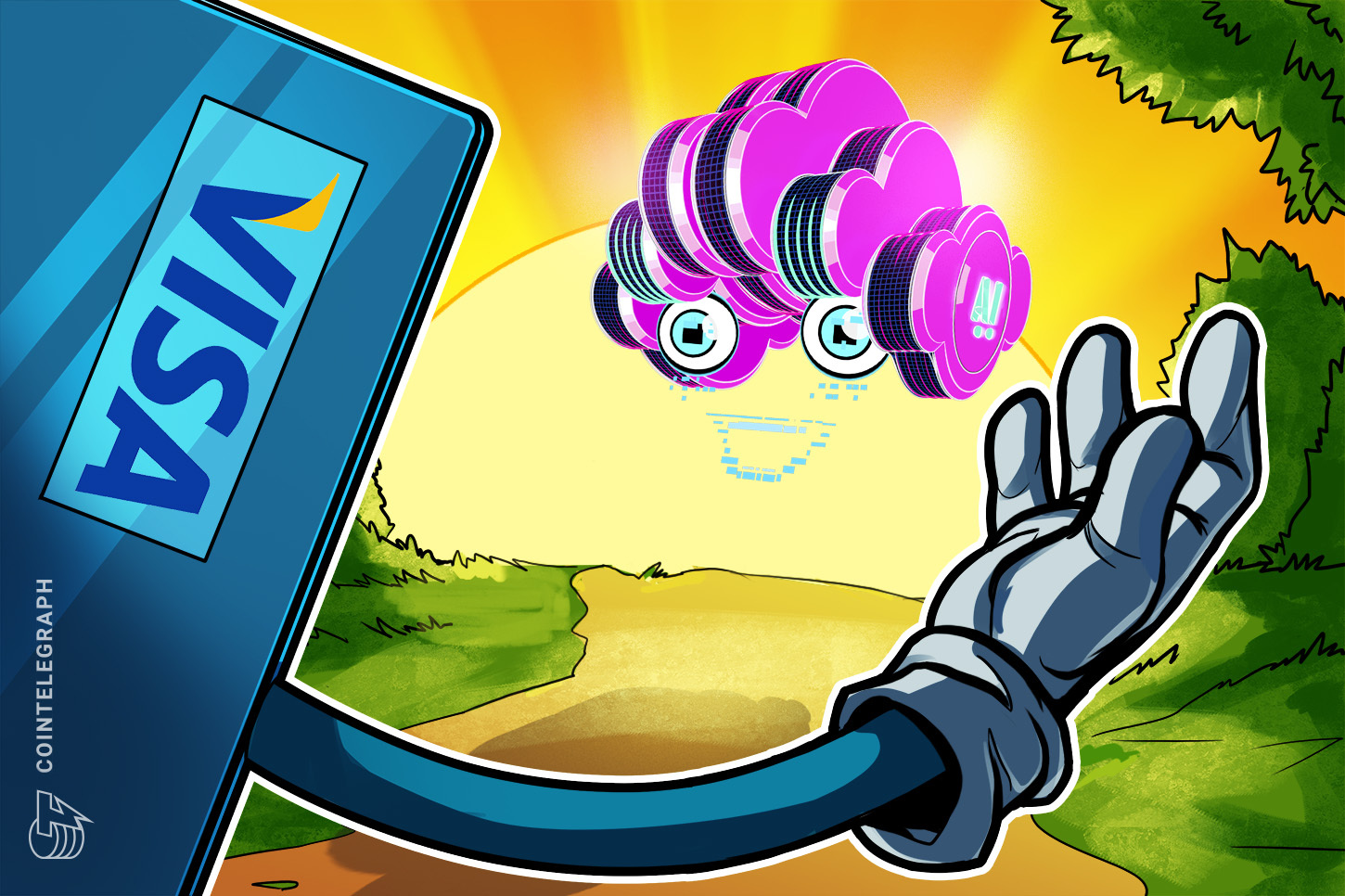
Visa Warns: Current Payment Infrastructure is Unfit for the Autonomous AI Agent Economy
As AI agents reached a critical capability threshold in mid-2025, enabling them to navigate APIs and execute autonomous payments, the demand for near-zero fees and instant settlement has skyrocketed. Without a radical overhaul of financial infrastructure, the commercial scalability of agentic commerce remains at risk.
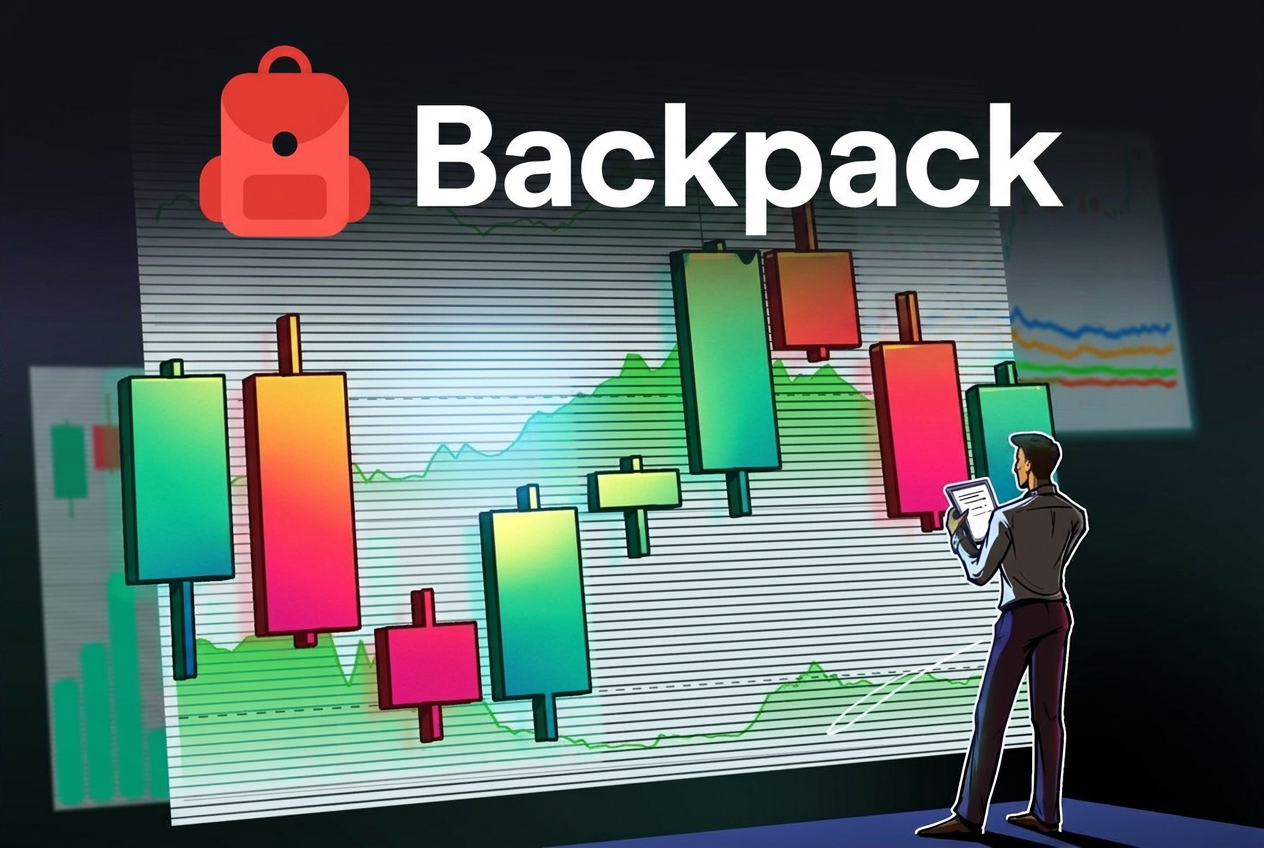
Trading Never Sleeps: Backpack Launches 24/7 Tokenized US Stock Trading
This strategic move leverages the Solana network to offer tokenized securities that provide true ownership rather than mere synthetic exposure. These assets are designed for the next generation of finance, as they can be seamlessly transferred between wallets and integrated into various DeFi applications, marking a significant milestone in the growth of Real World Assets (RWA).

Binance bStocks Goes Nuclear: Hits $100M AUM and Adds Microsoft & Meta to Tokenized Lineup
The platform is significantly expanding its reach by introducing tokenized versions of tech giants like Microsoft and Meta, alongside the QQQ ETF. By providing 24/7 trading capabilities and instant settlement, bStocks is dismantling the traditional limitations of stock market hours and slow clearing processes.
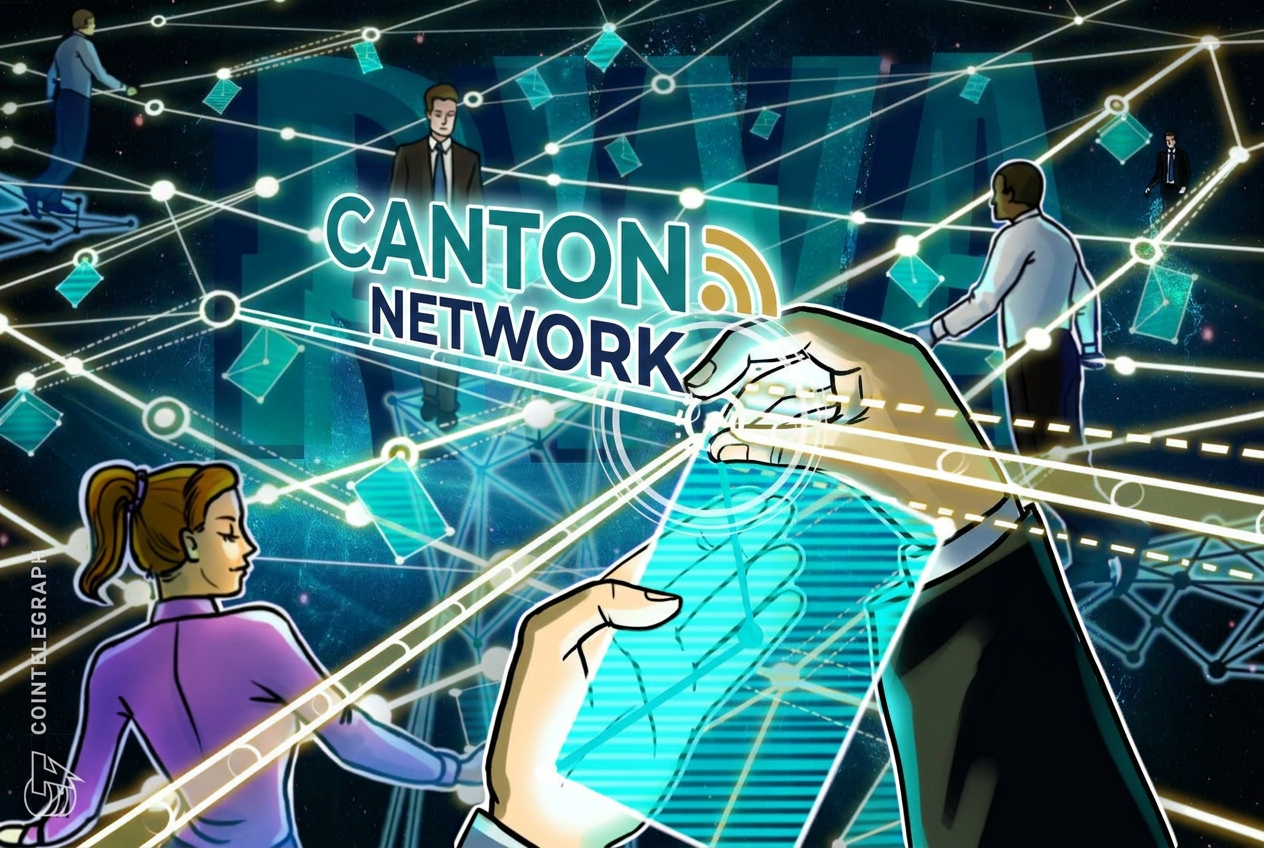
Institutional Milestone: Tradeweb Executes First Real-Time Tokenized US Treasury Trade
This transaction represents a pivotal moment for the Real World Asset (RWA) sector, demonstrating how tokenized cash and securities can interact seamlessly on-chain. With heavyweights like Societe Generale and Blockdaemon involved, the industry is witnessing the practical convergence of traditional capital markets and decentralized settlement layers, paving the way for mass institutional adoption.
