The Death of the Penny: A Warning Sign for the Future of Money
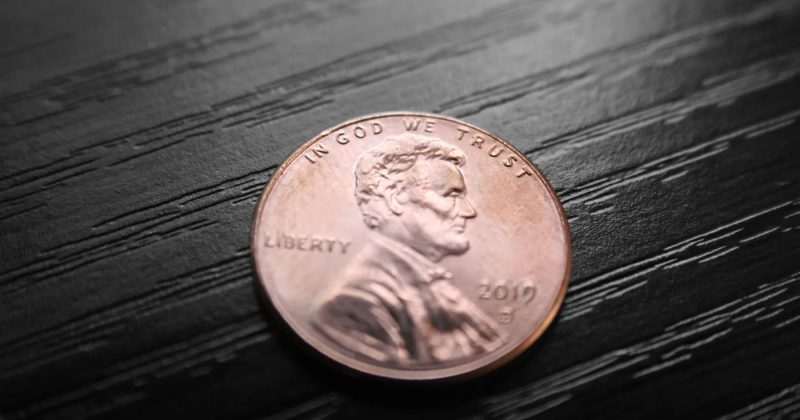
The US decision to phase out the penny is more than a mere logistical update; it is a profound indicator of shifting monetary policy. This move signals an era of increased executive action in financial regulation, paving the way for a more streamlined, digital-first economic landscape.
As physical currency loses its utility, the implications for financial innovation are massive. The demise of low-value coinage highlights a broader transition toward digital assets and centralized regulatory frameworks, forcing a reevaluation of how value is exchanged in a modern economy.
The US just killed the penny, and it tells us something profound about the future of money. The penny's demise highlights potential shifts in monetary policy, signaling increased executive action in financial regulation and innovation. This transition underscores a growing momentum toward a digital economy where traditional physical assets are replaced by more efficient, regulated, and technologically advanced monetary systems.
This is a summarized and adapted version by Artificial Intelligence. To read the complete original story, visit the official source.
Read Full Article at Crypto BriefingSupport Jornal Bitcoin
Independent journalism, curated by AI, no clickbait. Keep the flame alive with any amount of BTC.
jonata@walletofsatoshi.comDaily Crypto Brief 📬
Subscribe to receive the curation of the most important Bitcoin and crypto news, summarized by AI. No spam.
Join more than 10,000 smart readers.
Related News

Hormuz Strait Tension Eases: Polymarket Odds Crash to 4.5%
While current transit levels of 28 vessels per day remain well below the pre-war average of 100, the decline in immediate escalatory threats is providing much-needed relief to global shipping outlooks. This shift highlights how prediction markets are reacting to diplomatic signals and the evolving stability of critical maritime corridors.
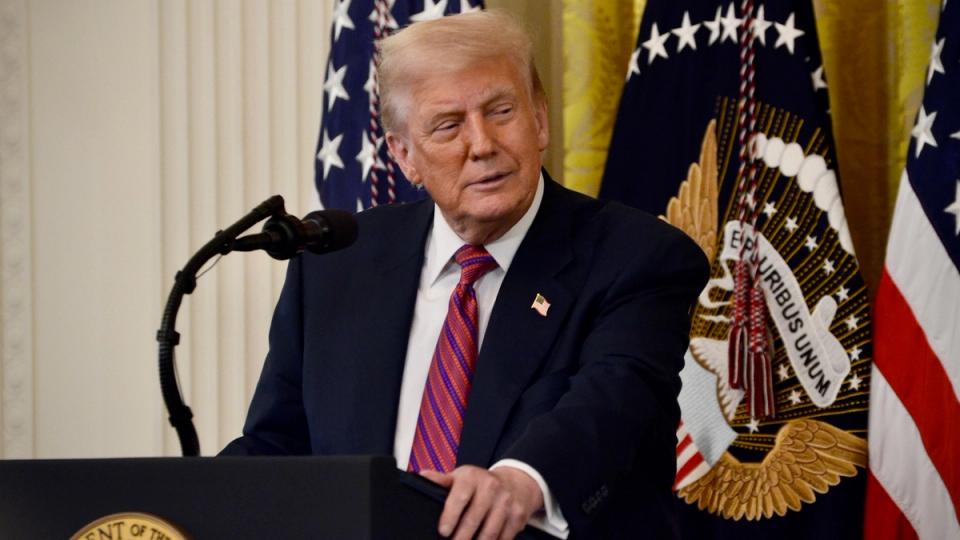
The End of the Digital Dollar? US CBDC Ban Set to Trigger at Midnight
This development underscores a significant political pushback against centralized digital currencies. By imposing these limits through housing law, lawmakers are effectively creating a regulatory barrier that could force the US digital economy to rely more heavily on decentralized assets and private stablecoins instead of state-controlled alternatives.
Regulatory Breakthrough: Circle Cleared to Launch National Crypto Bank in the US
This development arrives amidst an intense race for regulated stablecoins, where regulatory clarity is becoming the ultimate gold standard. By securing this approval, Circle is positioning itself as a cornerstone of the digital economy, offering unprecedented security and compliance for institutional investors.

Security Breakthrough: Chainlink CCIP Lands on Arbitrum Orbit as Layer-3 Builders Demand Safer Messaging
This strategic deployment addresses the growing complexity of multi-chain environments by providing a standardized communication layer. By leveraging Chainlink CCIP within Arbitrum Orbit, developers can focus on scaling specialized applications without sacrificing the security of asset transfers and data integrity in an increasingly fragmented market.

US Whales Propel Bitcoin to $64K as Coinbase Premium Breaks Key Level
This breakout in the Coinbase Premium serves as a vital indicator of institutional appetite within the United States. As whales accumulate, the shift in demand patterns suggests that the current Bitcoin price action is backed by significant capital inflows, potentially setting the stage for further upward momentum in the crypto market.

USDC surges in the US: OCC approves Circle to launch a bank — shares jump 7.4%
In practical terms, the OCC green light strengthens the case for regulated stablecoins inside the mainstream financial system. This move can increase institutional confidence, improve predictability around compliance, and support broader adoption of stablecoins like USDC—especially in areas tied to banking rails and payments.
