Decrypt

CZ Warns Bitcoin Holders After $70M Wallet Hack: 'Nothing Is 100%'

August 1, 202601:01 PM
CZ Warns Bitcoin Holders After $70M Wallet Hack: 'Nothing Is 100%'

Binance founder CZ has issued a stark warning to Bitcoin holders following a wallet exploit costing approximately $70 million, with Galaxy Research revealing the damage is nearly double initial estimates. The Coldcard hardware wallet breach has sent shockwaves through the crypto community, prompting urgent security recommendations.

CZ's advice to spread funds across multiple wallets underscores the evolving threat landscape in cryptocurrency security. This incident serves as a critical reminder that even hardware solutions considered highly secure can be compromised, highlighting the importance of diversification and continuous vigilance in protecting digital assets.

This is a summarized and adapted version by Artificial Intelligence. To read the complete original story, visit the official source.

Read Full Article at Decrypt
QR Code Lightning

Support Jornal Bitcoin

Independent journalism, curated by AI, no clickbait. Keep the flame alive with any amount of BTC.

Wallet of Satoshi
jonata@walletofsatoshi.com

Daily Crypto Brief 📬

Subscribe to receive the curation of the most important Bitcoin and crypto news, summarized by AI. No spam.

Join more than 10,000 smart readers.

Related News
Coldcard Exploit Triggers Market Fear as Two Bitcoin Forks Loom
Bitcoin.com

Coldcard Exploit Triggers Market Fear as Two Bitcoin Forks Loom

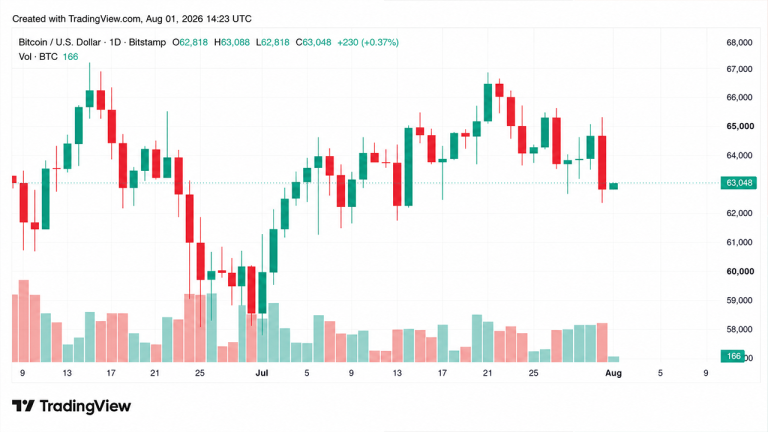
Bitcoin slipped below $63,000 this week as a major hardware wallet security incident rattled confidence just as traders prepare for two separate August events that could influence sentiment across the network. The world's largest cryptocurrency traded between roughly $62,300 and $63,100 during early Saturday trading sessions after briefly pushing above $65,000 a day earlier. The security incident comes at a critical time when traders are positioning for two potential Bitcoin network changes in August that may impact market dynamics. The Coldcard vulnerability, affecting one of the most respected hardware wallets, has raised questions about cryptocurrency storage security and may be contributing to Bitcoin's recent volatility as the market digests implications of upcoming forks.
CoinDesk

Coldcard's $38 Million Exploit Shakes Self-Custody Faith, May Push Investors to ETFs
A software vulnerability in the Coldcard hardware wallet has enabled thieves to steal nearly 600 bitcoins worth approximately $38 million, shaking confidence in self-custody solutions and raising critical questions about the risks of managing private keys. This security breach may accelerate investor migration toward bitcoin ETFs, offering a more accessible alternative for market exposure without the complexities of personal asset protection. The incident exposes critical challenges in crypto security infrastructure, particularly for everyday users who may lack the technical expertise to safeguard their digital assets effectively.
Is an Old iPhone Safer Than a Hardware Wallet? ZachXBT’s Controversial Take Splits Crypto Community
CryptoSlate★ Featured

Is an Old iPhone Safer Than a Hardware Wallet? ZachXBT’s Controversial Take Splits Crypto Community

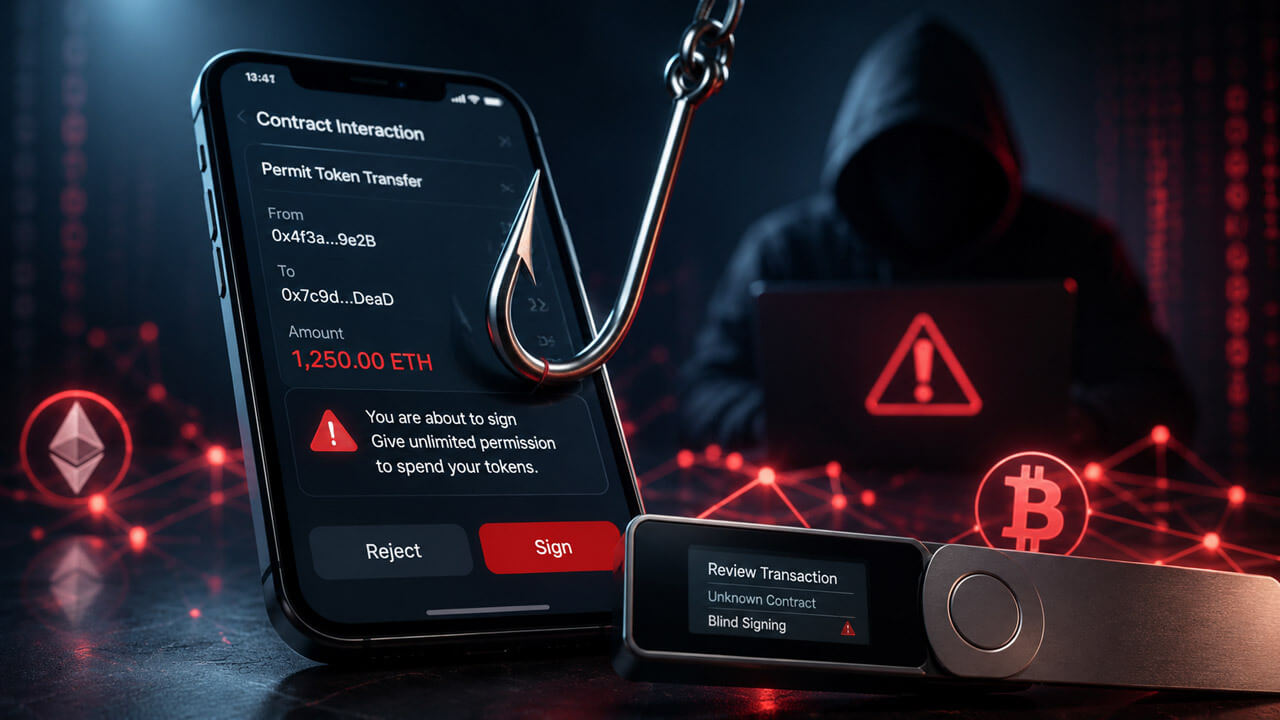
A provocative debate regarding digital security is sweeping the crypto space after prominent investigator ZachXBT argued that a dedicated old iPhone might offer better protection than a standard hardware wallet. The core of his reasoning posits that since both devices act fundamentally as signing devices, the true vulnerability lies in the power a valid signature grants once it is broadcast to the network.

This controversial stance challenges the long-held industry belief that hardware wallets are the ultimate shield for digital assets. By shifting the focus from the physical device to the consequences of a signature, ZachXBT highlights a critical gap in how the crypto community perceives security and smart contract permissions.

Chainalysis Desmascara 'Economia Sombra' Cripto Após Fechamento da Grinex
Bitcoin.com

Chainalysis Desmascara 'Economia Sombra' Cripto Após Fechamento da Grinex

O encerramento da Grinex intensifica o escrutínio sobre táticas de lavagem de criptomoedas, com a Chainalysis revelando padrões de movimentação de fundos cripto que desafiam explicações convencionais de hack cripto. A análise da empresa aponta que as trocas da Grinex são inconsistentes com apreensões de criptomoedas típicas por autoridades, sugerindo uma complexa economia sombra cripto.

Este desenvolvimento levanta sérias questões sobre a segurança cripto e a natureza das operações da Grinex, especialmente considerando as conversões baseadas em Tron que estão sob investigação. A Chainalysis sublinha a necessidade de maior vigilância contra atividades ilícitas no espaço cripto.

Piada de 1º de abril vira realidade: Hacker emite 1 bilhão de tokens DOT falsos via Hyperbridge
CryptoSlate★ Featured

Piada de 1º de abril vira realidade: Hacker emite 1 bilhão de tokens DOT falsos via Hyperbridge

A Hyperbridge, ponte descentralizada que conecta o ecossistema Polkadot à rede Ethereum, sofreu uma violação de segurança crítica que resultou na emissão não autorizada de 1 bilhão de tokens DOT. O incidente, que ironicamente transformou uma brincadeira de 1º de abril em um ataque real, expôs vulnerabilidades severas na infraestrutura de interoperabilidade entre as redes blockchain.

Apesar da escala massiva da exploração, o lucro do invasor foi limitado a aproximadamente US$ 240.000 devido à baixa liquidez disponível para os ativos fabricados. Este hack cripto reforça a importância da vigilância em protocolos de bridge e demonstra como a falta de profundidade de mercado pode atuar como uma barreira inesperada contra a exfiltração de grandes volumes de capital ilícito.

Músico G. Love Perde Quase 6 BTC em Golpe de App Falso da Ledger na Apple App Store
Bitcoin.com

Músico G. Love Perde Quase 6 BTC em Golpe de App Falso da Ledger na Apple App Store

O músico G. Love sofreu uma perda devastadora de quase 5.9 BTC, o equivalente a todas as suas economias de aposentadoria acumuladas por uma década, após ser vítima de um golpe cripto. Ele baixou um aplicativo Ledger falso diretamente da Apple App Store em 11 de abril de 2026, acreditando ser o software legítimo para sua carteira hardware.

Este incidente serve como um alerta crítico sobre a segurança de criptomoedas e a prevalência de fraudes digitais, mesmo em plataformas aparentemente seguras como a Apple App Store. A perda de 5.9 BTC por G. Love ressalta a importância de verificar a autenticidade de qualquer software relacionado a carteiras Ledger ou outras carteiras hardware antes de interagir com seus fundos.

Jornal Bitcoin Logo