Crypto Lobby Strikes Gold: PAC-Backed Candidates Sweep Three US State Primaries
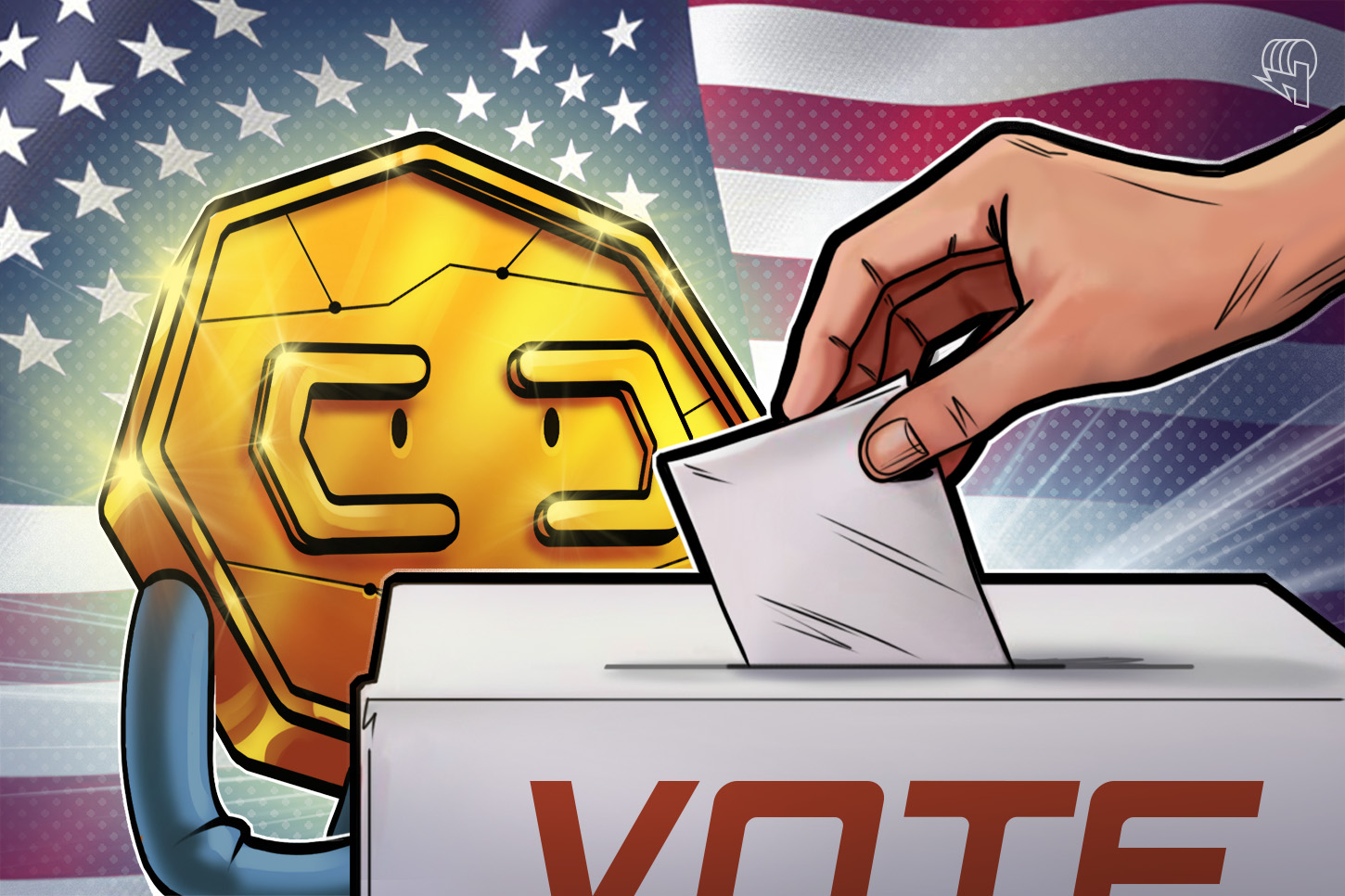
The crypto industry has officially entered the political arena with massive impact. Candidates supported by the Fairshake PAC and its affiliates secured key victories in the Maryland, New York, and Utah primaries, positioning themselves as powerful voices for digital asset policies in the upcoming US elections.
Driven by an $8 million media blitz funded by industry titans like Coinbase and Ripple Labs, these wins come despite intense scrutiny regarding 'crypto billionaire' spending. This successful deployment of political capital marks a turning point in how cryptocurrency interests can influence legislative outcomes and regulatory frameworks in Washington.
The crypto-aligned political movement achieved a major milestone this Tuesday as candidates backed by the Fairshake PAC and its affiliates won crucial primaries in Maryland, New York, and Utah. These victories set the stage for the high-stakes November general elections.
Supported by heavyweights such as Coinbase and Ripple Labs, the Fairshake PAC spent a combined $8 million on media to promote candidates favorable to the digital asset industry. Notable winners include Democrat Ritchie Torres in New York (71.9%) and Republican Blake Moore in Utah (57.5%). In Maryland, the affiliate Protect Progress spent $5.5 million to help Adrian Boafo win the Democratic primary, successfully navigating a political landscape filled with criticism over crypto-funded campaign spending.
This is a summarized and adapted version by Artificial Intelligence. To read the complete original story, visit the official source.
Read Full Article at CoinTelegraphSupport Jornal Bitcoin
Independent journalism, curated by AI, no clickbait. Keep the flame alive with any amount of BTC.
jonata@walletofsatoshi.comDaily Crypto Brief 📬
Subscribe to receive the curation of the most important Bitcoin and crypto news, summarized by AI. No spam.
Join more than 10,000 smart readers.
Related News
Senate Delays Clarity Act Vote Until September as Democrats Hold Out
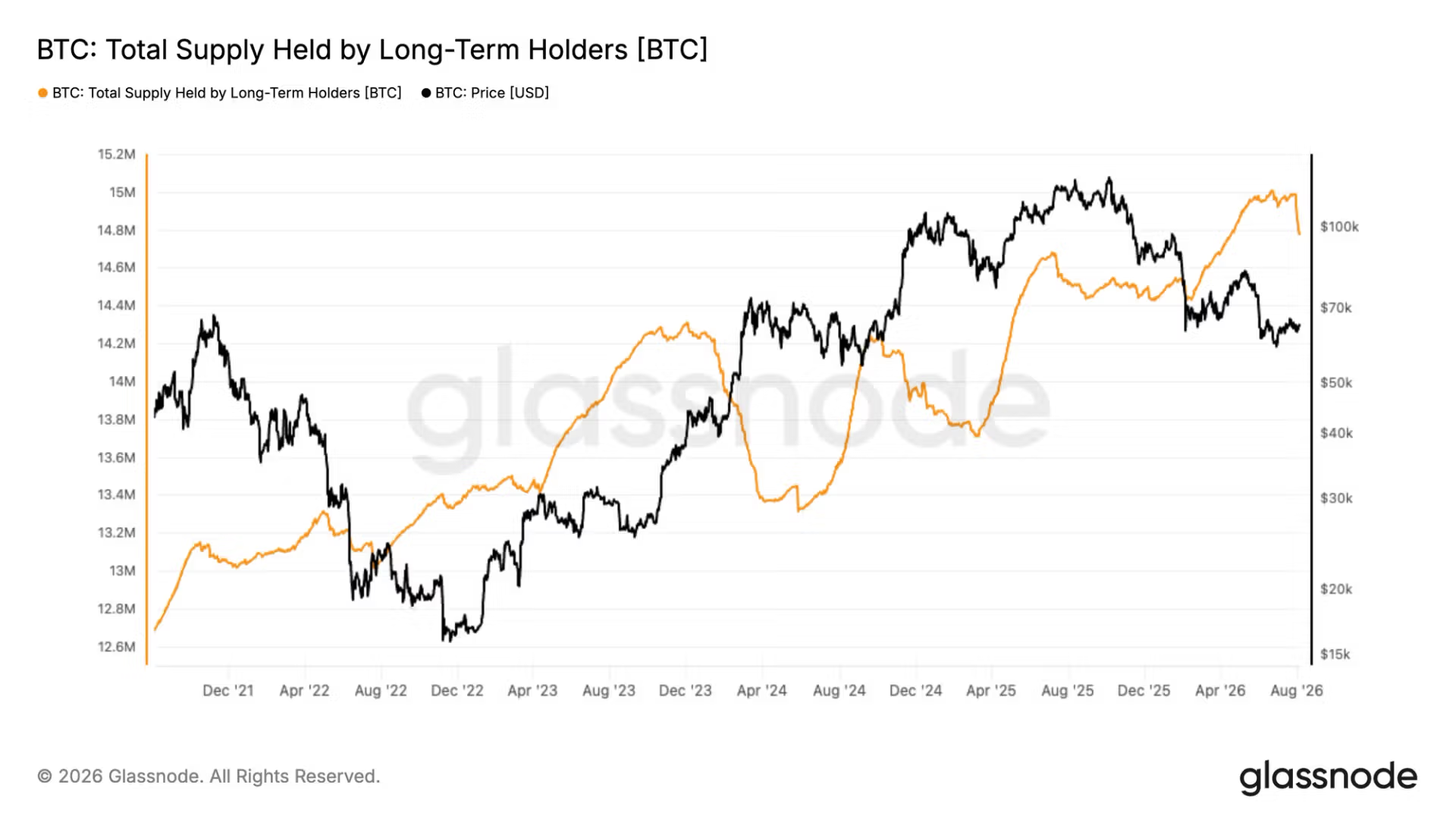
210,000 Bitcoin Exodus: Long-Term Wallets See Massive Outflow Amid Coldcard Fallout
The transfer of such a large volume of BTC without significant impact on Bitcoin's price indicates that investors are merely reorganizing their digital assets, not liquidating their positions. This movement could signal a strategic custody shift among Bitcoin holders, potentially migrating to alternative storage solutions. Analysts are closely monitoring whether this is an isolated event or the beginning of a broader trend of large Bitcoin redistribution.

Stripe's Bridge Joins EU MiCA Register After Luxembourg Approval
Bridge's inclusion in the MiCA register brings the total number of authorized Electronic Money Token (EMT) issuers in the EU to 42, according to the latest ESMA update. With its Crypto-Asset Service Provider (CASP) authorization under MiCA and Electronic Money Institution (EMI) license from Luxembourg's financial regulator, Bridge now enables European businesses to build stablecoin and payment products within a regulated framework, accelerating institutional crypto adoption across the bloc.

CLARITY Act delay gives Asian hubs crypto advantage

SEC Greenlights Crypto Giant Wintermute to Trade Stocks, ETFs
The SEC's approval implicitly acknowledges the maturity and regulatory compliance of Wintermute, signaling a potential easing of barriers between the crypto and traditional finance worlds. With this new authority, Wintermute can offer more integrated services, potentially increasing liquidity and reducing friction between the two markets. This development could accelerate institutional adoption of digital assets, as firms like Wintermute can act as essential facilitators for the entry of traditional capital into the crypto space.
White House to slash unnecessary Bitcoin, crypto regulations in major regulatory shift
This regulatory shift could boost crypto market optimism, influence future Bitcoin price forecasts, and create a more favorable landscape for blockchain innovation. The White House decision marks a potential turning point for the cryptocurrency industry in the United States, with potential global consequences for adoption and regulation.
