Crypto ATM Collapse: Global Network Plummets as Regulatory Pressure Mounts

The physical gateway to the digital economy is shrinking rapidly, with coinatmradar.com data revealing a massive crash in the global crypto ATM network from 38,708 to just 27,945 machines. This sudden contraction represents a major shift in crypto accessibility, potentially limiting on-ramp options for retail investors worldwide.
The United States is at the epicenter of this decline, having lost 10,763 machines in just 68 days. This downward trend has accelerated as state regulators move to shut down kiosks permanently, effectively reversing the steady expansion and growth seen in the industry between 2020 and 2022.
New data from coinatmradar.com highlights a significant downturn in the global crypto ATM infrastructure, with the total number of machines dropping from 38,708 to 27,945. The United States has been hit hardest, losing 10,763 crypto automated teller machines since May 1.
The decline appears to have accelerated due to increased scrutiny from state regulators, who have begun shutting down kiosks for good. This marks a sharp reversal from the period of steady expansion observed from 2020 through 2022, as the industry grapples with a tightening regulatory landscape.
This is a summarized and adapted version by Artificial Intelligence. To read the complete original story, visit the official source.
Read Full Article at Bitcoin.comSupport Jornal Bitcoin
Independent journalism, curated by AI, no clickbait. Keep the flame alive with any amount of BTC.
jonata@walletofsatoshi.comDaily Crypto Brief 📬
Subscribe to receive the curation of the most important Bitcoin and crypto news, summarized by AI. No spam.
Join more than 10,000 smart readers.
Related News

Crypto Scam Crackdown: MPF Seeks to Freeze R$ 91 Million from Bitcoin Pyramid Scheme
This crackdown targets criminals who exploited the cryptocurrency market by promising unrealistic returns to unsuspecting investors in Santa Catarina. The case highlights the growing necessity for vigilance against crypto scams and the legal efforts to recover assets lost to sophisticated financial fraud.

2026 World Cup Rest Day: Crypto Markets Outrun the Players
The integration of crypto into the World Cup underscores the growing influence of blockchain technology within the sports industry. However, the industry faces critical questions regarding post-event sustainability and whether this massive mainstream exposure can translate into long-term stability for the crypto market.
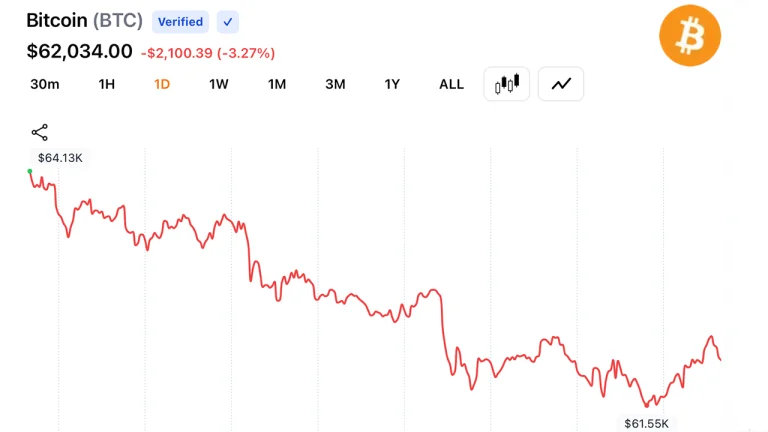
Middle East Escalation Triggers Crypto Bloodbath: Bulls Lose $310M as Bitcoin Slumps
As military exchanges threaten to unravel the fragile Middle East ceasefire, market participants are pivoting from bullish sentiment to defensive positioning. The sudden volatility highlights how geopolitical instability continues to act as a primary driver for Bitcoin price fluctuations and sudden market liquidations.

Deadline Approaching: CFTC Chair Claims Clarity Act is 'So Close' to Passing
The push for this legislation aims to provide much-needed legal certainty to the digital asset space. If passed, the Clarity Act will establish a definitive framework for market structure, potentially resolving long-standing disputes and shaping the future of crypto regulation in the United States.
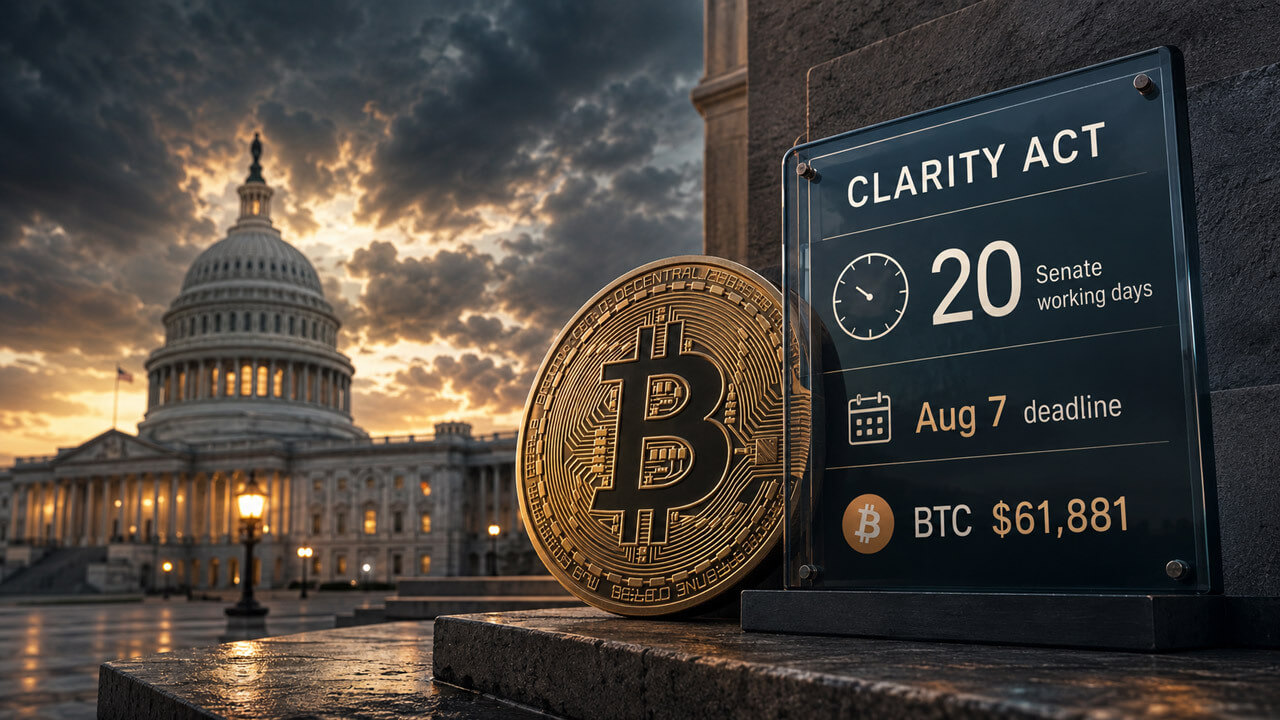
The Clock is Ticking: Bitcoin's Rally Faces a 4-Week Make-or-Break Window in Washington
Following a bruising June, Bitcoin has already staged a 10% recovery this month, but the momentum hinges on institutional clarity. The outcome of this session will determine whether the industry receives much-needed regulatory frameworks or faces another round of legislative delays that could dampen the current market rally.

Fire Erupts Near Iranian Army Base Following US Strikes: Global Market Alert
The escalating US-Iran tensions are poised to trigger significant geopolitical shifts that could reshape international relations. As the situation unfolds, the potential for market volatility remains high, making it a critical moment for those tracking geopolitical risk and its ripple effects on global finance.
