Crypto’s $90 Trillion Trading Powerhouse is Hitting Wall Street—But Banks Are Playing Defense
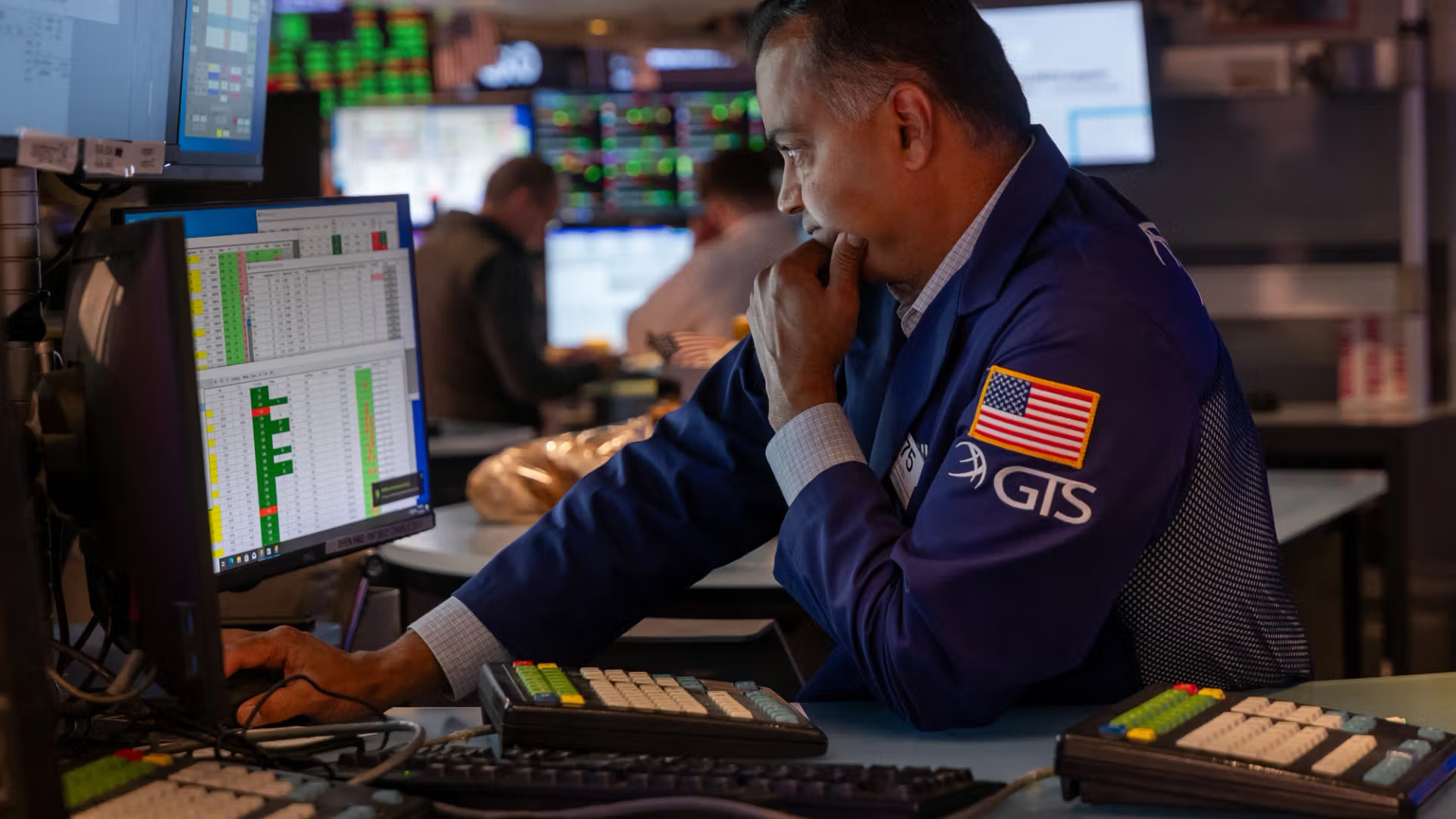
Regulated perpetual futures are officially making their move into the United States, targeting a massive $90 trillion trading landscape. As agile crypto exchanges and specialized trading firms race to capture surging retail demand, this shift represents a pivotal moment for the integration of digital assets into mainstream finance.
Despite the massive potential, traditional Wall Street banks are moving with extreme caution. Major financial institutions are delaying their entry until they see more robust liquidity, finalized regulatory frameworks, and the necessary market infrastructure to handle the unique demands of perpetual futures at scale.
Crypto’s favorite $90 trillion trading product is officially landing in the U.S. Regulated perpetual futures are arriving on American soil, but the rollout will be a tale of two speeds. While agile trading firms and crypto exchanges race to capture massive retail demand, traditional Wall Street banks are holding back. These banking giants are waiting for liquidity, regulatory clarity, and market infrastructure to mature before fully committing to the asset class.
This is a summarized and adapted version by Artificial Intelligence. To read the complete original story, visit the official source.
Read Full Article at CoinDeskSupport Jornal Bitcoin
Independent journalism, curated by AI, no clickbait. Keep the flame alive with any amount of BTC.
jonata@walletofsatoshi.comDaily Crypto Brief 📬
Subscribe to receive the curation of the most important Bitcoin and crypto news, summarized by AI. No spam.
Join more than 10,000 smart readers.
Related News

Quantum Threat Looming? Bipartisan Bill Aims to Overhaul Crypto Security Standards
By prioritizing the development of quantum-resistant encryption, the bill could trigger a massive industry-wide shift in cryptographic standards. As quantum technology advances, the crypto ecosystem must prepare for a mandatory evolution in security protocols to prevent large-scale vulnerabilities in blockchain networks and digital wallets.

Mining Pivot: Core Scientific Boosts Bitcoin Holdings in Q2 Despite Selling Strategy
This accumulation comes even as the company maintains a selling strategy to manage liquidity. The recent surge in Bitcoin holdings provides a critical look into how major mining firms are balancing operational costs with long-term Bitcoin accumulation, a move that could influence investor sentiment regarding the company's long-term solvency and market positioning.

Wall Street Veteran Claims Regulators Are Misunderstanding Crypto Perpetual Futures
The implications for the industry are significant. By advocating for the embrace of perpetual futures by traditional markets, Wilson suggests that bridging the gap between legacy finance and crypto-native derivatives could unlock unprecedented institutional liquidity and market stability.
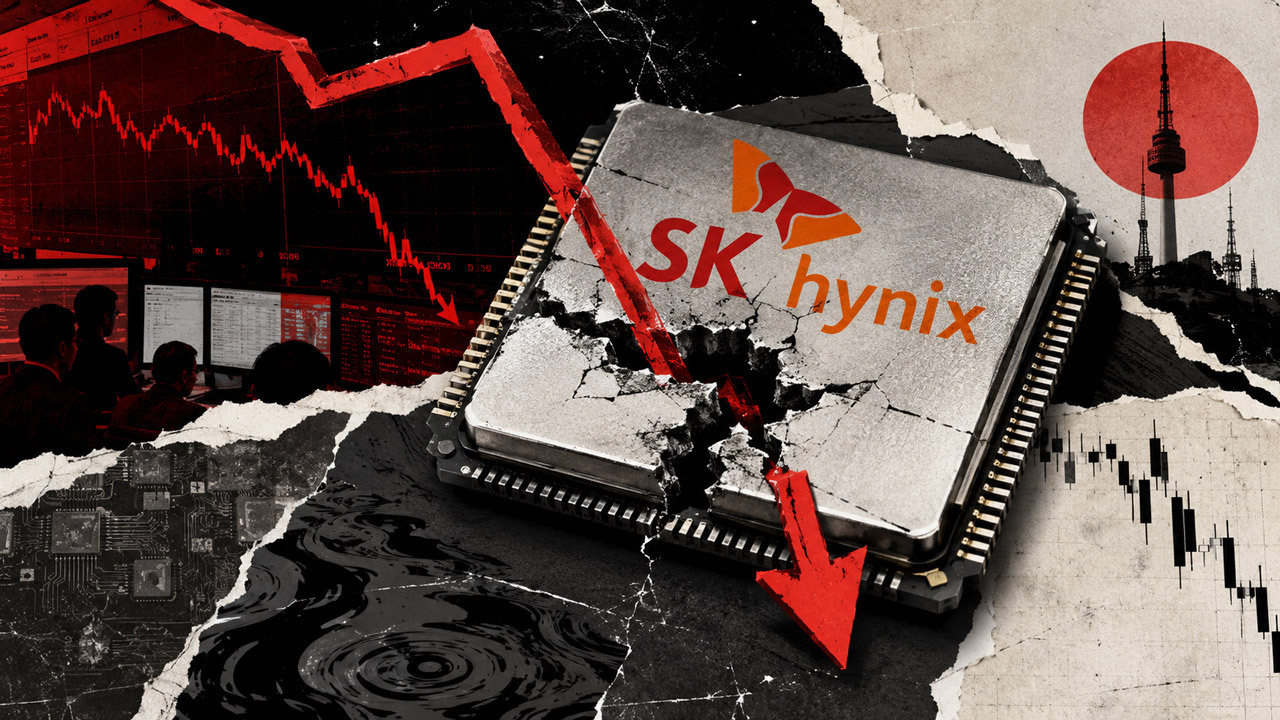
2-Minute Chaos: Brutal Flash Crash Wipes Out $400M South Korean Market on Hyperliquid
Post-crash data shows a massive 20.29% drop in open interest as the market struggled to stabilize. Investigations by Trade.xyz are currently focused on the price inputs submitted to HyperCore to identify whether the crash was driven by technical failure or malicious market manipulation within the decentralized derivatives space.

Morgan Stanley Disrupts Crypto Market with Low-Fee Ether and Solana ETPs
By integrating staking capabilities into these products, Morgan Stanley is directly challenging established crypto fund managers. This strategic move leverages the bank's massive distribution power to lower the barrier for institutional entry into the Solana and Ether ecosystems, potentially shifting the competitive landscape of crypto-linked financial products.

Bitcoin Rally Warning: Why This Bounce Might Just Be a Bull Trap
Market analysts are warning that traders caught in this fakeout may face significant downside volatility. As chart patterns shift, the lack of fundamental strength behind the rally implies that the current price action might be a deceptive signal, leaving investors vulnerable to a sharp correction.
