Coldcard crisis hits $130 million – proving 'not your keys' is meaningless if you trust a single device to generate them

Block's Bitcoin Engineering and Security team and independent Bitcoin Core developers have traced the recent batch of Coinkite Coldcard wallet losses to a specific firmware defect that exposed a hidden weakness in Bitcoin self-custody before any user touched a seed phrase. The bug diverted the device's random-number generation from its STM32 hardware source to MicroPython's software implementation, compromising the fundamental security of the wallet. This incident serves as a stark reminder that the 'not your keys, not your coins' mantra can be meaningless when users blindly trust a single device to generate their private keys. The Coldcard crisis highlights how even hardware wallets can be compromised through software vulnerabilities, undermining the very foundation of Bitcoin self-custody. As the crypto industry matures, this event underscores the critical importance of multi-layered security approaches and the dangers of over-reliance on any single component in the security stack.
This is a summarized and adapted version by Artificial Intelligence. To read the complete original story, visit the official source.
Read Full Article at CryptoSlateSupport Jornal Bitcoin
Independent journalism, curated by AI, no clickbait. Keep the flame alive with any amount of BTC.
jonata@walletofsatoshi.comDaily Crypto Brief 📬
Subscribe to receive the curation of the most important Bitcoin and crypto news, summarized by AI. No spam.
Join more than 10,000 smart readers.
Related News

Ethereum Poised for $1,900 Breakout? Price Analysis Suggests Major Move Ahead
Coldcard Exploit Tops $100M as Experts Debate if Stolen BTC Can Be Spent
The core debate centers on blockchain transparency versus privacy tools that could potentially obscure the stolen funds. Mixers, Lightning Network, and other privacy solutions are being cited as potential escape routes for the hackers, raising fundamental questions about security and privacy within the crypto ecosystem.
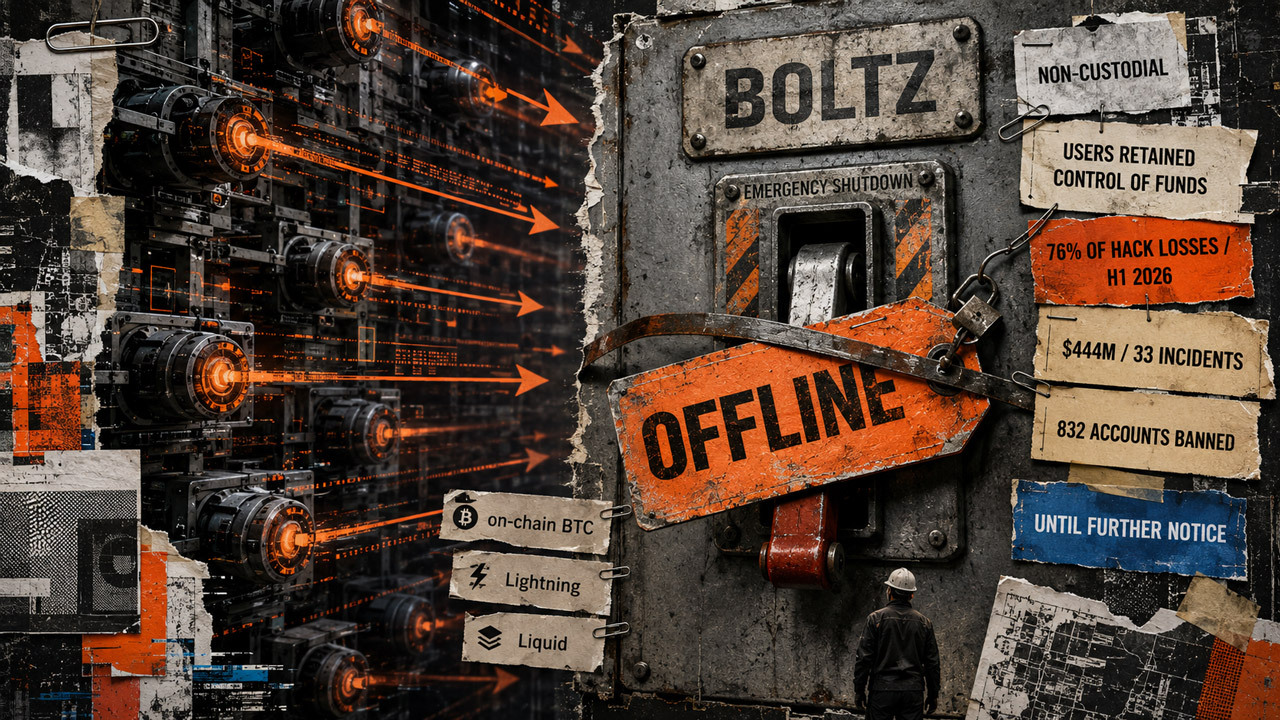
Boltz's Shutdown Exposes AI's True Threat: Pushing Crypto Back Into Giant Custodians' Hands
This incident signals a dangerous precedent that could push the cryptographic sector back into the arms of centralized giant custodians. AI's ability to perform automated probing and exploit vulnerabilities at an inhuman scale and speed represents an existential challenge to smaller-scale decentralized projects. As smaller-scale protocols struggle to defend against these advanced threats, centralization may become a "necessary" solution, undermining the fundamental principles of the crypto revolution.

Hardware Wallet Firms Warn of Phishing Surge as Coldcard Losses Near $130M
This phishing wave represents a critical threat to crypto asset security, especially for those storing large sums in cold wallets. The blockchain security industry is working to mitigate the attack, but users are advised to always verify the authenticity of communications and websites before interacting with hardware wallet services.

South Africa Cracks Down on Cross-Border Crypto Transfers
The proposed regulations aim to enhance oversight and control over digital capital flows, potentially impacting the financial freedom of crypto users in South Africa. While authorities seek greater transparency and anti-money laundering measures, the country's crypto industry faces uncertainties about how to adapt to these new regulatory requirements.

Cramer to Dump Bitcoin Over Quantum Fears as Price Rises 1.6%
Cramer's decision was influenced by Arvind Krishna, IBM's Chairman and CEO, who warned about quantum computing's threat to cryptocurrencies in the next three to four years. This move has reignited the debate about the future security of Bitcoin and other cryptocurrencies against quantum technology, while investors who follow the inverse of Cramer's recommendations celebrate another potential profit opportunity.
