EU Sanctions Crisis: Greece Vetoes 21st Russia Package, Forcing Strategic Pivot

The European Union is undergoing a major strategic shift in its sanctions regime following a decisive veto by Greece regarding the 21st package against Russia. Aimed at shielding domestic shipping firms, the Greek move has forced EU leadership to consider targeted sanctions as a way to bypass the paralyzing power of individual state vetoes.
This pivot toward more surgical economic measures could have ripple effects across various industries, including the crypto sector and digital asset markets. As the EU attempts to navigate these geopolitical hurdles, the potential for influential nations to negotiate specific exceptions remains a key variable in the evolving landscape of international sanctions.
The European Union is rethinking its Russia sanctions strategy after Greece vetoed the 21st package of measures to protect its vital shipping industry. This diplomatic roadblock has accelerated discussions regarding a shift toward targeted sanctions, a move designed to diminish the ability of single member states to obstruct collective EU policy.
While this transition aims to streamline enforcement, it may still allow influential states to negotiate specific exceptions. Such shifts in the regulatory and economic landscape often create volatility in interconnected sectors, including the crypto market, as the global community watches how the EU balances economic protectionism with geopolitical pressure.
This is a summarized and adapted version by Artificial Intelligence. To read the complete original story, visit the official source.
Read Full Article at Crypto BriefingSupport Jornal Bitcoin
Independent journalism, curated by AI, no clickbait. Keep the flame alive with any amount of BTC.
jonata@walletofsatoshi.comDaily Crypto Brief 📬
Subscribe to receive the curation of the most important Bitcoin and crypto news, summarized by AI. No spam.
Join more than 10,000 smart readers.
Related News
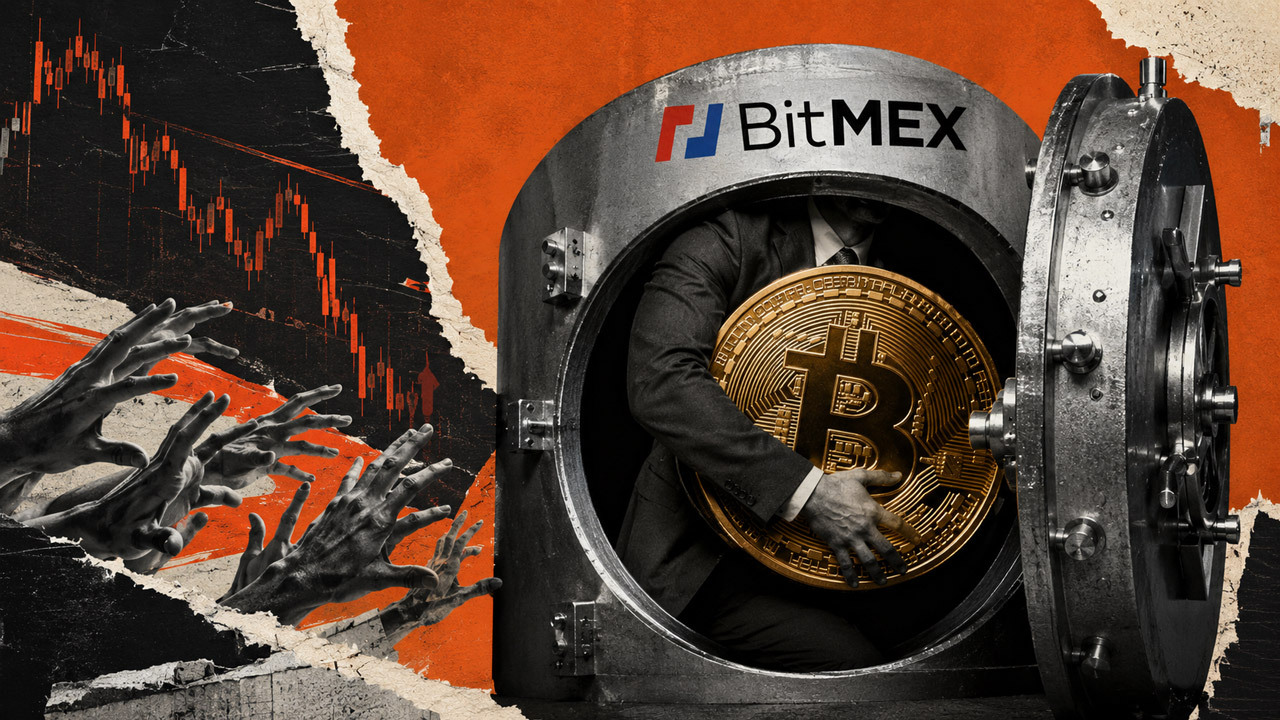
BitMEX Scandal: Lawsuit Alleges Seizure of 622 Bitcoins via Server Freezes and Insider Trading
This development strikes at the heart of exchange accountability and the fundamental risks of centralized trading platforms. Although BitMEX has dismissed the lawsuit as baseless, the allegations of insider trading and data exploitation could trigger intense regulatory scrutiny and reshape how users perceive the security of their crypto holdings.

Market Reversal: Bitcoin ETFs Bleed Nearly $500 Million in Massive Outflow
This sudden shift in sentiment was largely driven by activity within BlackRock’s iShares Bitcoin Trust. The significant outflow highlights a cooling of risk appetite among institutional players, marking a pivot from the recent period of consistent capital inflows into the crypto market.

Fed Pivot? New Chair Warsh Signals Potential Rate Hike Amid Inflation Fears
This hawkish pivot is expected to recalibrate market expectations and could lead to significant volatility across all asset classes. For the crypto market, the implications are profound, as changes in interest rates directly influence liquidity and the appetite for risk-on assets like Bitcoin.

PUMP Token Hits 11-Week High: Massive Momentum or Impending Pullback?
As the community debates whether this rally is building a foundation for long-term growth or setting the stage for a sharp pullback, the volatility remains high. Investors are closely watching key resistance levels to determine if the current strength is sustainable or a temporary spike driven by speculative interest.

BitMart Collapse: CEO Claims He Was Left in the Dark About Exchange Shutdown
This sudden leadership vacuum and lack of transparency raise massive red flags regarding the internal governance of BitMart. As the exchange winds down its activities, investors are left scrambling for answers, highlighting the systemic risks associated with centralized exchanges and the potential for sudden, uncoordinated collapses in the digital asset space.

Russia’s Sberbank Sets December Deadline for Massive Crypto Infrastructure Buildout
This strategic buildout includes advanced capabilities for managing wallet transfers and executing client orders seamlessly. By integrating these blockchain-adjacent services, Sberbank is positioning itself to bridge the gap between traditional banking and the decentralized economy, providing a regulated gateway for digital asset management.
