Crypto Crossroads: Pakistan Regulator Seeks Dialogue After Islamic Scholar Rules Against Crypto Payments
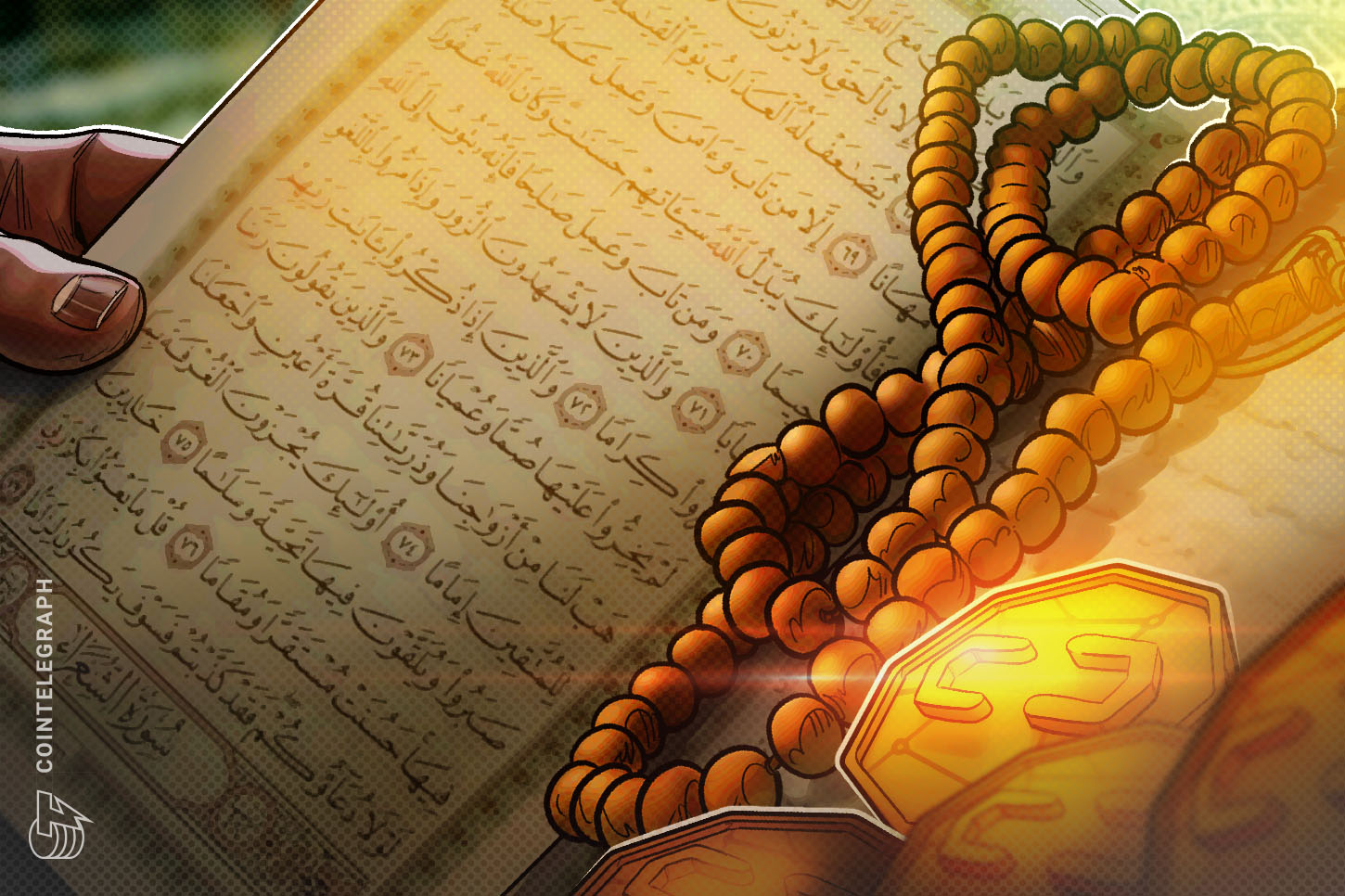
Pakistan's virtual-assets regulator is racing to bridge the gap between digital finance and religious law following a high-stakes meeting with a prominent Islamic scholar. After Mufti Taqi Usmani backed a ruling against using crypto for purchases, PVARA chairman Bilal bin Saqib has called for an immediate, nuanced dialogue to prevent a total crackdown on the sector.
The regulatory push aims to ensure that blockchain technology, stablecoins, and tokenized real-world assets (RWAs) undergo a rigorous technical assessment alongside Shariah examination. By advocating for a multi-faceted approach, the PVARA hopes to protect citizens from financial fraud and exploitation while finding a legal pathway for digital asset integration within the country's unique economic framework.
This is a summarized and adapted version by Artificial Intelligence. To read the complete original story, visit the official source.
Read Full Article at CoinTelegraphSupport Jornal Bitcoin
Independent journalism, curated by AI, no clickbait. Keep the flame alive with any amount of BTC.
jonata@walletofsatoshi.comDaily Crypto Brief 📬
Subscribe to receive the curation of the most important Bitcoin and crypto news, summarized by AI. No spam.
Join more than 10,000 smart readers.
Related News

Stablecoin Exodus: $10 Billion Vanishes Since May—What It Means for Crypto Liquidity
Crucially, this downturn remains far from the devastating 26% collapse experienced in 2022. This recent volatility in stablecoins suggests a strategic reallocation of liquidity, as investors navigate changing interest rates and evolving opportunities within the broader decentralized finance ecosystem.

Empty Seats in Argentina: Why Fan Tokens are the New Front Door to Football
This trend underscores a broader transition toward a digital-first sports economy. By leveraging blockchain technology, clubs are finding new ways to monetize loyalty and bridge the gap between physical absence and digital presence, turning a crisis of accessibility into a revolution of crypto-driven engagement.

Stablecoin market cap just shrank by $10B since May—analyst says there’s no reason to panic
Context and impact: The contraction is a flashing liquidity warning for crypto markets, since stablecoins underpin trading and DeFi access. Still, the outlook remains cyclical rather than terminal: stablecoins are expected to resume their long-term growth. For stablecoin holders and builders, the takeaway is that a sharp short-term dip doesn’t erase the sector’s broader trajectory.

Real Estate Revolution: CRECI-SC Invests R$ 479k in Blockchain and AI to Fight Fraud
This strategic move does more than just automate the detection of unlawful listings; it sets a new standard for transparency within the industry. The implementation of these AI and blockchain tools signals a growing trend of Web3 adoption by regulatory agencies to combat fraud and enhance legal security for both buyers and brokers.

Tether’s Brazil push goes big: $20M backing, police crackdowns, and a fight over 24-hour stablecoin holds
The rollout signals how Tether is expanding its footprint across LATAM, but it also sharpens the regulatory fight around stablecoin hold rules in Brazil. In the same news cycle, “Operation Veil of Maya” underscores the growing enforcement focus on illicit crypto activity—raising compliance stakes for exchanges, issuers, and intermediaries handling stablecoin flows.

Cambridge Study: Ethereum Emerges as Efficiency Leader Among Major PoS Networks
When adjusted for market value, Ethereum utilized roughly 33 kWh per $1 million, ranking as the second-most efficient network studied, trailing only BNB Chain. This stands in stark contrast to Solana, which recorded an energy intensity 8.5 times higher than Ethereum's, highlighting the massive gap in resource optimization between these leading blockchain protocols.
