Middle East Tension: China’s Crude Oil Imports Plunge to Decade-Low
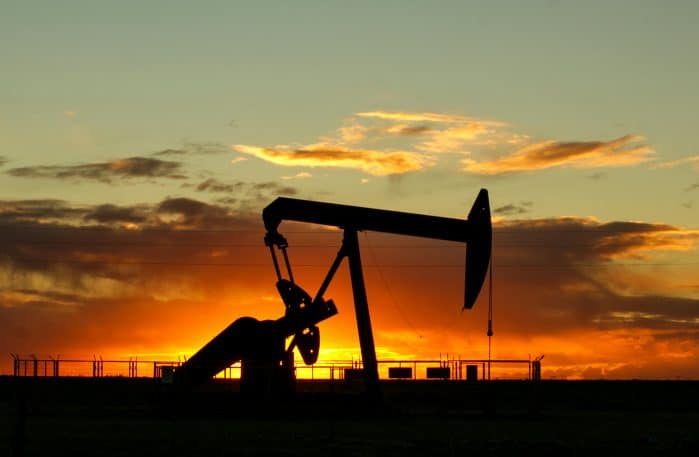
Geopolitical instability surrounding the Iran conflict has triggered a massive shift in global energy flows, driving China's crude oil imports to a ten-year low. This sudden contraction serves as a critical intel brief for market participants, signaling a major recalibration in how the world's largest importer manages energy security amidst Middle East volatility.
This trend is expected to reshape global energy markets by exerting significant pressure on oil prices and potentially accelerating the global shift towards alternative energy sources. As China seeks to hedge against geopolitical risks, the resulting market volatility could provide the necessary momentum for a faster transition to renewable and decentralized energy infrastructures.
China's crude oil imports have hit a decade-low amid the escalating conflict involving Iran. This reduction in oil imports may reshape global energy markets, significantly influencing oil prices and accelerating the global shift towards alternative energy sources. The geopolitical tension is forcing a strategic reassessment of energy security as major economies navigate an increasingly unstable global landscape.
This is a summarized and adapted version by Artificial Intelligence. To read the complete original story, visit the official source.
Read Full Article at Crypto BriefingSupport Jornal Bitcoin
Independent journalism, curated by AI, no clickbait. Keep the flame alive with any amount of BTC.
jonata@walletofsatoshi.comDaily Crypto Brief 📬
Subscribe to receive the curation of the most important Bitcoin and crypto news, summarized by AI. No spam.
Join more than 10,000 smart readers.
Related News
Fed Rate Cut Bets Shift: Polymarket Odds Fluctuate as China's Manufacturing Surge Reshapes Inflation Outlook
Central to this shift is China's strategic ascent up the manufacturing value chain. Experts from PIMCO suggest that China's ability to maintain robust export growth could act as a deflationary force abroad, potentially easing global inflation and complicating the long-term interest rate trajectory for the US economy.
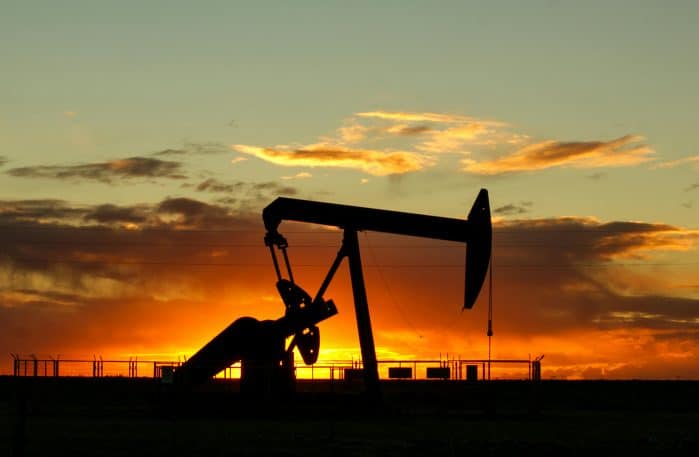
China Blunts Iran Oil Shock but Faces Critical Refined Fuel Crisis
Despite this success, a looming challenge in refined fuels threatens to disrupt global markets and shift long-term energy dynamics. The potential shortage of fuel derivatives could trigger a ripple effect, impacting international energy costs and supply-demand balances.

Polymarket Surge: Le Pen Odds Hit 30% for 2027 France Race Amid Russia Sanctions Buzz
The political landscape is shifting rapidly as legislative discussions regarding Russia sanctions intensify. This volatility suggests that foreign policy tensions and the evolving geopolitical risk in Europe are becoming primary drivers for voter sentiment and market-based political forecasting.
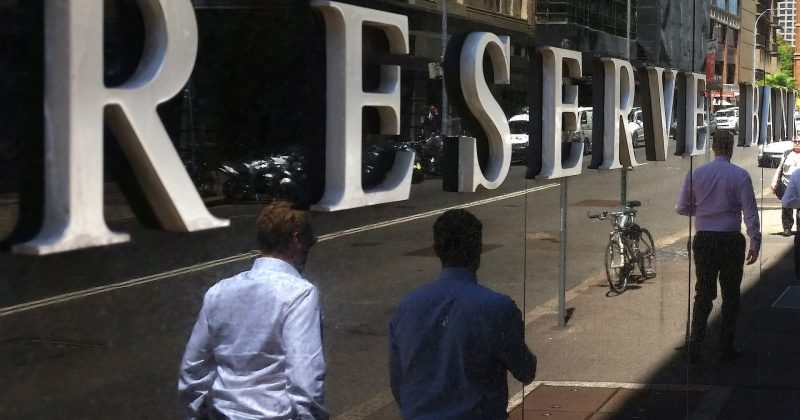
Geopolitical Shockwave: US-Iran Conflict Could Trigger Australian Rate Hikes
As global markets brace for impact, the risk of heightened inflation and supply chain disruptions looms large. For the crypto market, such shifts in monetary policy and central bank actions are critical indicators of liquidity trends and overall risk appetite in the digital asset space.

Hormuz Standoff: Polymarket Odds Surge to 70.5% for Iran Conflict by Year-End
With reports of blasts along the southern coast and direct attacks on vessels, the risk to global maritime security is palpable. This escalating conflict threatens to disrupt energy corridors, potentially triggering massive volatility across both traditional commodities and the broader crypto market.
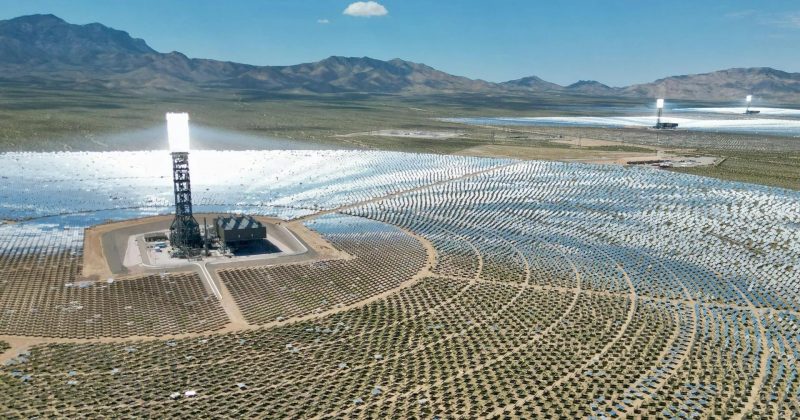
Meta Secures 100% of Largest US Solar Project in Massive Clean Energy Power Play
By securing this output, Meta is doing more than just buying power; it is actively stabilizing solar markets and influencing the future of global energy infrastructure. As tech giants pivot toward long-term renewable energy investments, these deals become critical to sustaining the massive energy demands of future data centers and AI scaling.
