Oil Prices Surge as Iran Tensions and Strait of Hormuz Disruptions Loom
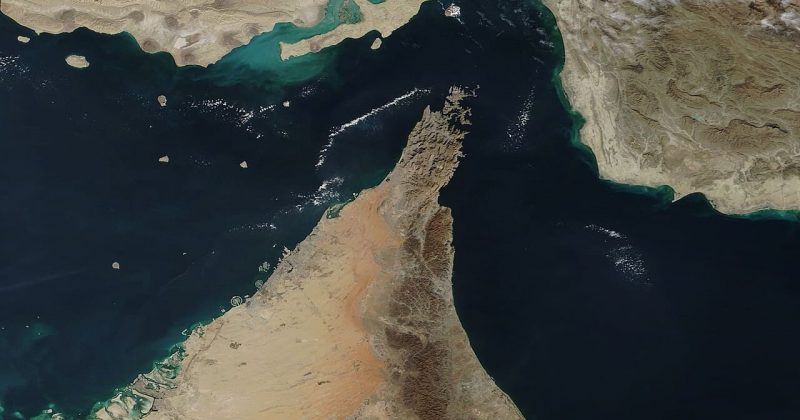
Geopolitical instability in the Middle East is driving oil prices higher as tensions involving Iran threaten vital shipping lanes in the Strait of Hormuz. This sudden spike in energy costs is creating immediate volatility across global financial markets.
Beyond immediate market fluctuations, rising oil prices due to geopolitical tensions may strain global economies and trigger a new wave of inflation. Energy-dependent industries face significant operational risks as the threat of supply chain disruptions intensifies, forcing a reassessment of global economic stability.
This is a summarized and adapted version by Artificial Intelligence. To read the complete original story, visit the official source.
Read Full Article at Crypto BriefingSupport Jornal Bitcoin
Independent journalism, curated by AI, no clickbait. Keep the flame alive with any amount of BTC.
jonata@walletofsatoshi.comDaily Crypto Brief 📬
Subscribe to receive the curation of the most important Bitcoin and crypto news, summarized by AI. No spam.
Join more than 10,000 smart readers.
Related News
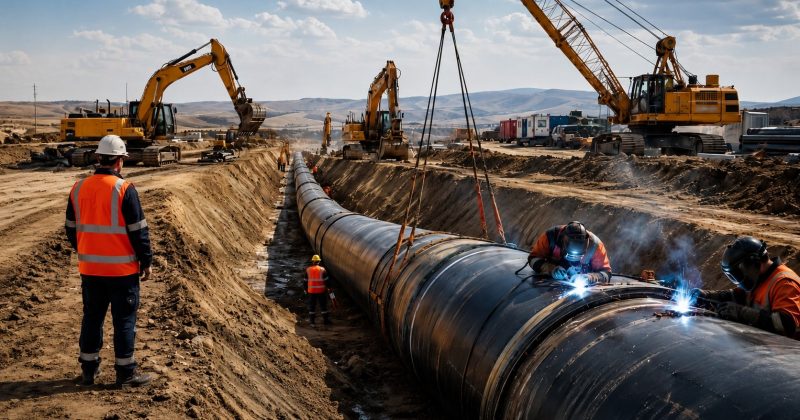
Poland Pushes for NATO Pipeline Extension to Bolster Eastern Flank Defenses
However, this infrastructure expansion carries heavy geopolitical weight, potentially escalating tensions between NATO and Russia. The long-term consequences could reshape military logistics and impact the overall stability of the European theater.
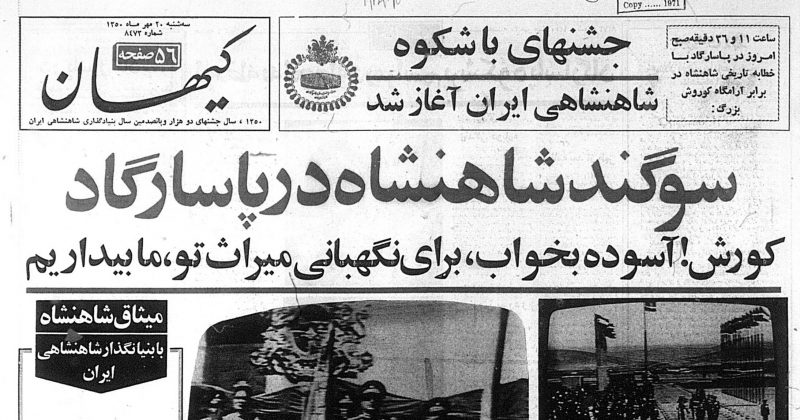
Geopolitical Chaos: Iran's Hardline Daily Calls for Assassination of Trump and Netanyahu
Beyond the immediate threat, this call for violence threatens to diminish any remaining prospects for peace in the Middle East. For those monitoring market volatility, such escalations often serve as precursors to heightened risk aversion and shifts in global economic stability.

Market Warning: Rapid Retail Sentiment Swings as BTC Retreats Amid Iran Strikes
While crowd sentiment has shown brief signs of improvement, experts warn that this volatility often precedes further market corrections. The intersection of global conflict and crypto market dynamics remains a critical risk factor for investors monitoring Bitcoin price action and overall market stability.

Middle East Escalation: IDF Fighter Neutralizes Hezbollah Combatant in South Lebanon
Beyond the battlefield, the impact of this clash extends to global market perceptions and the potential for broader military escalations. As volatility remains a constant factor, the intersection of geopolitical conflict and market stability continues to be a primary concern for institutional observers.

The $15 Billion Floating City: A Massive Plan for a Sovereign Nation at Sea
Originally conceived in the 1990s by engineer Norman Nixon, the project is now being pushed forward by Freedom Cruise Line International. Beyond the sheer scale of the build, the plan carries profound implications for international law, maritime sovereignty, and the future of decentralized human settlements.
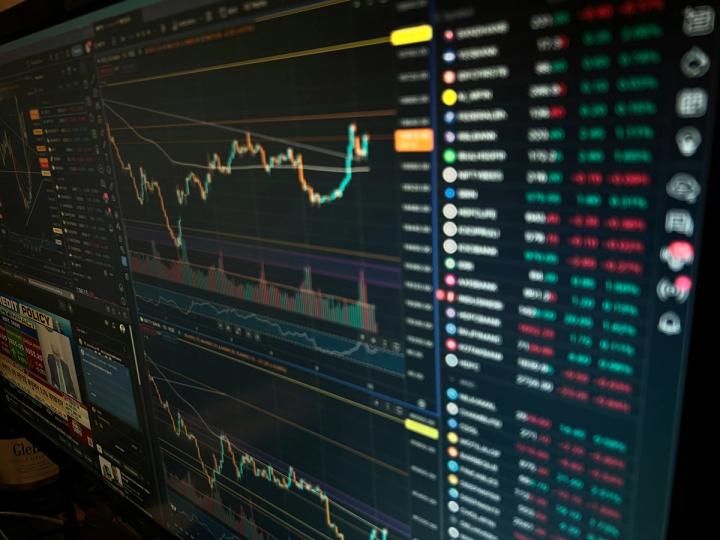
Bitcoin Under Pressure: U.S.-Iran Escalation Spikes Oil Prices, Rattling Crypto Markets
This sudden shift in global risk appetite is forcing investors to pivot toward traditional hedges, leaving the crypto market vulnerable to macro volatility. As the conflict intensifies, the direct impact of rising oil costs and geopolitical instability remains a primary driver for the current downward pressure on Bitcoin and market liquidity.
